If you have ever looked up at your house and wondered, “What type of roof do I have?”, you are not alone. Understanding your roof can help you make smarter decisions about maintenance, repairs, replacement, and even future home improvements.
A roof is more than the protective layer you see from the street. It is a complete system made up of structural components, covering materials, ventilation, flashing, and drainage features. Different roofing types suit different needs, climates, architectural styles, and budgets.
For homeowners, identifying the roof type is a useful first step before speaking with a professional contractor. Chase Construction North West helps homeowners understand their roofing systems and make informed decisions based on their homes’ condition, design, and needs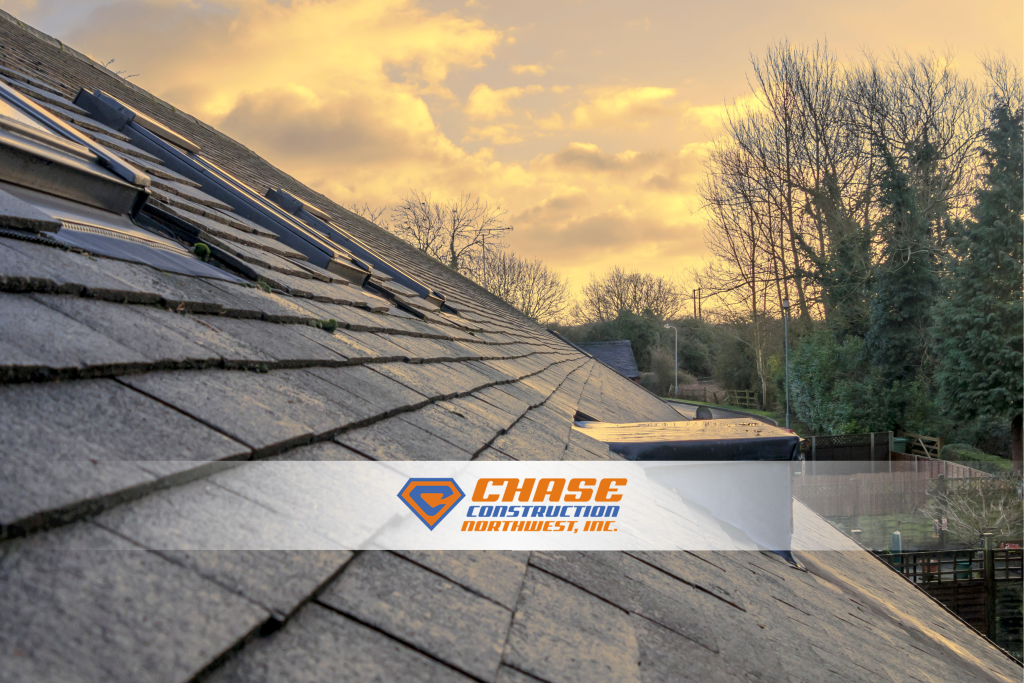
What Type of Roof Do I Have?
The easiest way to identify your roof is to look at its overall shape. From a safe position on the ground, observe How the roof lines meet, How steep the surfaces appear, and whether the roof has peaks, slopes, or broad flat sections.
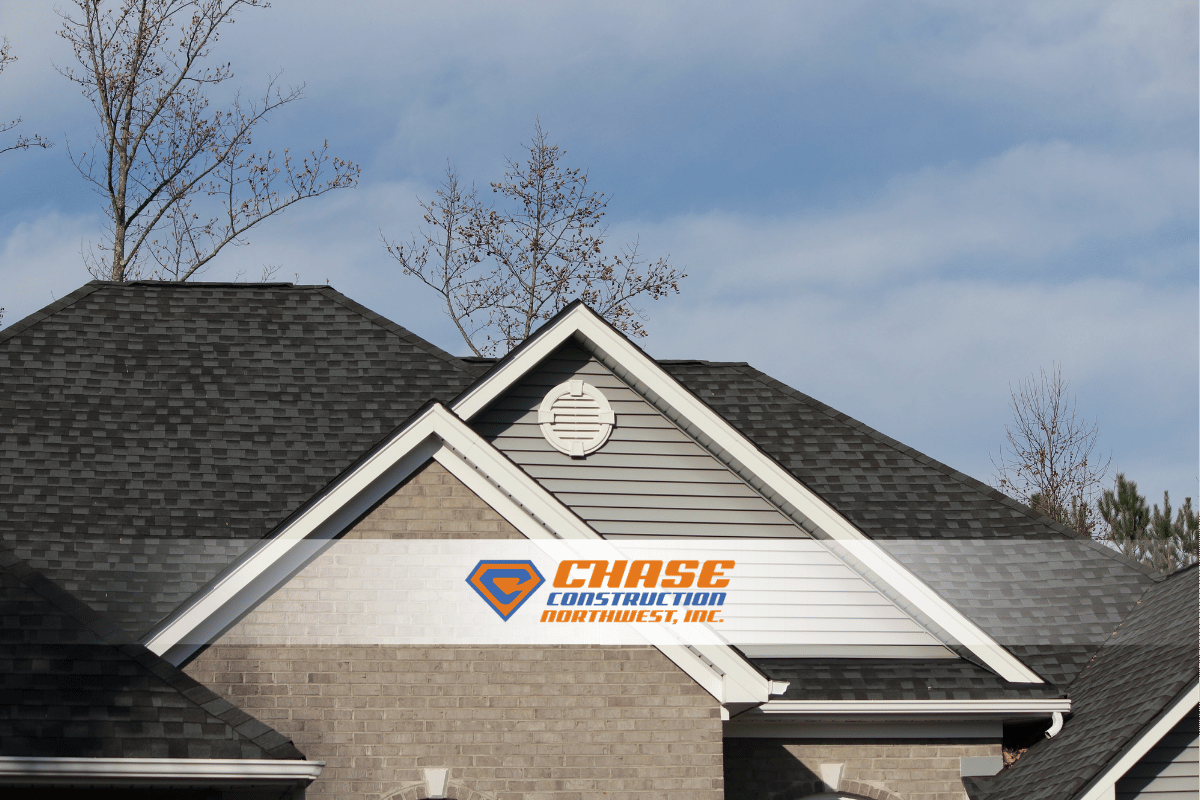
You can often identify your roof style by its silhouette. A roof with two sloping sides meeting at a ridge is commonly a gable roof, while a roof with slopes on all four sides may be a hip roof. Some homes combine several designs, creating a more complex roof structure.
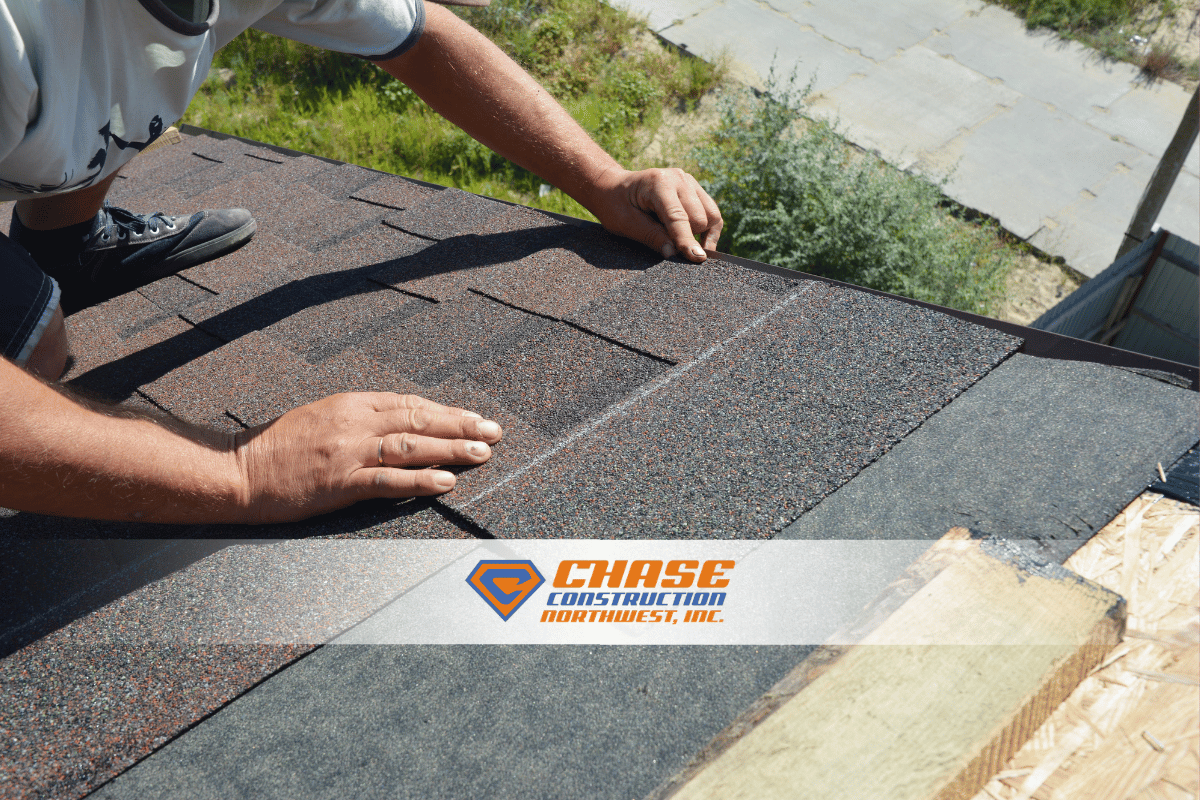
You should also look at the roofing material. Asphalt shingles are common on residential properties, but metal, cedar, slate, and tile are also used. The combination of shape and material gives you a clearer picture of your roof type.
If you are still unsure, Chase Construction North West can help you identify your roof’s key characteristics and explain what they mean for maintenance and performance.
Understanding Your Roof Type and Design
Once you have noted the basic shape, consider how the roof fits into your home’s overall design. Architectural design plays a major role in determining which roofing system was selected.
A gable roof is one of the easiest styles to recognize. It typically has two sloping sections that meet at a central ridge, creating a triangular shape at the end of the house. This design can provide useful attic space and allows rain and snow to move away efficiently.
A hip roof has slopes on multiple sides and generally lacks vertical gable ends. It can provide a balanced appearance and may offer good wind resistance because of its aerodynamic shape.
Other roof types include flat roofs, low-slope roofs, shed-style roofs, and combination designs. A home may also have multiple roof sections with different slopes and shapes.
When identifying your roofing type, don’t assume every section of the house uses the same design. Garages, additions, porches, and extensions can have different roof structures.
Why Roof Slope Matters
One of the most important features to recognize is your roof slope. Slope describes How steeply the roof rises compared with its horizontal distance.
A steep slope can make a roof look taller and more dramatic, while a low slope gives it a flatter appearance. Roof slope affects water drainage, material selection, installation requirements, and maintenance.
Steeper roofs move rainwater away quickly, but they can be harder for professionals to access. Low-slope systems require careful attention to drainage because water can remain on the surface longer if the system is not properly designed.
Your roof slope can also influence which roofing material is appropriate. Certain materials perform better on particular slopes, so homeowners should not select materials based only on color or appearance.
Chase Construction North West considers the slope, structure, existing materials, and overall condition of a roof before recommending a roofing solution.
Gable Roof, Hip, Flat, or Low-Slope Roofing?
Knowing the basic categories can make roof identification much easier. While residential roofing can become complicated, these common styles provide a useful starting point:
- Gable roof: Recognized by two primary slopes meeting at a ridge, often forming a triangular end.
- Hip roof: Slopes downward on multiple sides rather than ending in a large vertical gable.
- Flat roof: Has little visible pitch and depends on a properly designed drainage system.
- Low-slope roof: Has a slight incline that may look nearly flat from the ground.
- Combination roof: Uses two or more roof styles across different sections of the home.
Each style has different maintenance considerations. A gable design may have areas around the ridge and gable ends that require inspection, while hip roofs have additional intersections where roof planes meet.
A combination roof can be especially difficult to identify because the roof style may change from one section of the home to another. In these situations, a professional assessment can provide much greater certainty.
How Roofing Material Helps Identify Your Roof
The material covering your roof can provide another important clue. Most houses use asphalt shingles because they are practical, widely available, and offered in numerous styles and colors.
When people say asphalt shingles are a common residential choice, they are referring to one of the most widely used roofing materials in North America. However, asphalt is not the only option.
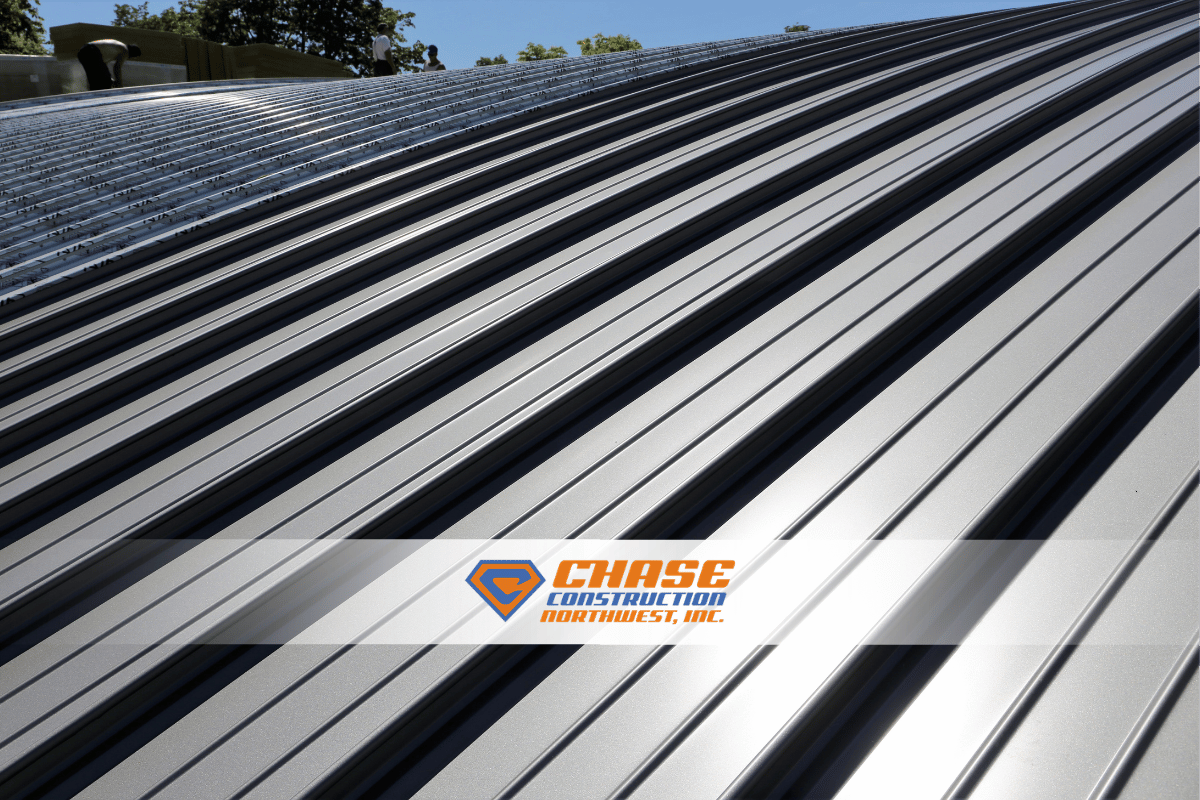
Metal roofing can provide a distinctive look and may be installed as panels or standing-seam systems. Cedar roofing offers a natural wood look, while slate and tile can create a traditional, long-lasting architectural style.
The material can affect maintenance, pricing, appearance, weight, and installation requirements. For example, slate and tile may require structural considerations because of their weight, while metal roofing can have a very different installation system from traditional shingles.
Some homeowners may recognize a manufacturer name, such as Owens Corning, on packaging or product documentation, but the manufacturer alone does not determine the roof style. Consider the shape, installation method, and material together.
Roof Style, Roofing Type, and Home Architecture
Your home’s architecture can offer valuable clues when you are trying to determine what type of roof do I have. Roofs are generally designed to complement the building’s proportions and character.
Traditional homes may feature gable or hip designs, while contemporary properties can incorporate flat or low-slope sections. Craftsman-style homes often use prominent rooflines and natural-looking materials, while other architectural designs may combine multiple slopes and roof sections.
Color can also help you distinguish materials, although it should not be your primary identification method. A dark roof might be asphalt, metal, slate, or another material. Similarly, a wood-colored surface doesn’t necessarily mean the roof is made of cedar.
The best approach is to consider the complete picture: shape, slope, material, seams, ridges, valleys, and overall design.
Chase Construction North West can help homeowners learn how these features work together and what they may indicate about the condition and performance of their roofing system.
Why Knowing Your Roof Type Is Important
Knowing your roofing type helps when planning maintenance, repairs, or replacement. It gives you better information when discussing your home with a contractor and can help you understand why certain recommendations are being made.
Your roof type can affect the required repair, the materials you can install, and the expected project cost. It may also matter when reviewing insurance documentation or discussing damage with an insurance company.
If a storm damages your roof, knowing the existing design and roofing material can make it easier to describe the problem. However, homeowners should avoid making assumptions about insurance claims. Coverage depends on the policy, cause of damage, exclusions, and individual circumstances.
A professional inspection can also uncover issues that are difficult to see from the ground, including damaged flashing, deteriorated shingles, loose seams, ventilation concerns, or problems around roof penetrations.
For homeowners who want a clearer understanding of their roofing system, Chase Construction North West provides professional guidance designed to make the process easier to understand.
When to Call a Roofing Contractor
You do not need to become a roofing expert to identify the basic characteristics of your home. However, professional assistance is the safest and most practical choice at times.
If your roof has visible damage, missing shingles, exposed wood, cracked tile, loose metal panels, damaged flashing, or signs of water intrusion, schedule an inspection rather than attempting a risky roof-level examination yourself.
A contractor can assess the roof structure, determine whether the damage is isolated or widespread, and explain potential repair or replacement options. They can also evaluate whether the current roofing material fits the roof slope and overall design.
Avoid choosing a roofing solution based solely on appearance or the lowest initial price. The best choice should consider durability, installation quality, ventilation, drainage, material compatibility, and long-term value.
Chase Construction North West approaches roofing projects with attention to these details, helping homeowners understand their options before moving forward.
Find Out What Type of Roof You Have
So, what type of roof do I have? Start by looking at the roof’s shape, slope, material, and How it relates to your home’s architecture. Identify whether you have a gable, hip, flat, low-slope, or combination design, then look more closely at the material covering it.
Remember that a roof is a complete system, not simply the surface visible from the street. Its structure, drainage, ventilation, flashing, and installation all contribute to How well it protects your home.
If you are planning repairs, considering replacement, or simply want a professional answer about your roof type, Chase Construction North West is ready to help. Their knowledgeable team can assess your roofing system, explain what they find, and help you understand the next steps.
Know your roof. Protect your home. Make every roofing decision with confidence. Contact Chase Construction North West today for professional roofing guidance and a closer look at your home’s roof system.
.