A roof does more than protect your home from the weather. Its angle influences drainage, material choices, attic space, appearance, and even How well the structure handles certain environmental conditions. If you have ever wondered what is a 4/12 roof pitch, the answer is simpler than it may first sound.
A 4/12 roof pitch means the roof rises 4 inches for every 12 inches of horizontal distance. This is considered a relatively moderate slope and is common on many residential properties. Understanding this measurement can help homeowners make better decisions when planning repairs, replacement, or a new roofing project.
At Chase Construction North West, we believe homeowners should feel confident about the work being done on their property. Knowing the basics of roof pitch can make conversations about roofing materials, installation, and project requirements much easier.
What Is a 4/12 Roof Pitch?
When someone asks what a 4/12 roof pitch is, they are asking about the relationship between the roof’s rise and run. The first number is the roof’s rise, and the second is the horizontal distance covered.
For a 4/12 roof, the roof rises 4 inches over a 12-inch run. In simple terms, if you move 12 inches horizontally from the edge toward the peak, the roof surface rises approximately 4 inches.
This measurement is often expressed as a slope ratio. A 4/12 pitch can also be written as 4:12 or 1:3. It does not mean the entire roof rises only 4 inches. Instead, the ratio is used consistently across the roof’s horizontal run.
The measurement gives contractors an easy way to understand roof slope without describing it in degrees.
Understanding Roof Pitch, Rise, and Run
The easiest way to understand roof pitch is to break it into two measurements: rise and run. The rise is the vertical distance between two points, while the run is the horizontal distance between those same points.
For a 4/12 roof, there are 4 inches of rise for every 12 inches of horizontal run. If the horizontal distance doubles, the roof rise also doubles while maintaining the same slope.
For example, a roof with a 24-inch horizontal run would have an 8-inch rise if it maintained a 4/12 slope. A longer roof simply repeats the same relationship.
Homeowners may also encounter the term roof slope. Although pitch and slope are frequently used interchangeably, professionals may use them slightly differently. Understanding both terms helps when discussing roofing plans, measurements, and installation requirements with a contractor.
How Building Width Affects a 4/12 Roof
Building width matters when determining the actual roof rise. A roof pitch ratio stays the same, but the total height changes depending on the horizontal run.
For example, imagine a simple symmetrical home with a 30-foot-wide building. If the roof ridge is centered, each side has a horizontal run of approximately 15 feet before accounting for any overhang. At a 4/12 pitch, the roof would rise about 5 feet from the eave to the ridge.
This calculation can become more complicated when a home has multiple roof sections, dormers, additions, or unusual framing. A garage may have a different roof pitch from the main structure, even when both are part of the same property.
Professional measurements help because actual roof dimensions affect rafter length, material quantities, ventilation requirements, and installation planning.
Calculating Height With a Pitch Factor
A pitch factor helps contractors estimate the actual length of a sloped roof surface from horizontal measurements. Since a pitched roof is longer than its horizontal projection, the pitch factor provides a practical way to account for that difference.
For a 4/12 pitch, the pitch factor is approximately 1.054. This means the sloped roof surface is slightly longer than the corresponding horizontal distance.
A homeowner does not necessarily need to calculate this manually. A roof calculator, calculator app, or roof pitch calculator can make the process easier. However, understanding the basic formula gives you a better idea of how roofing measurements work.
The same principle can help estimate rafter length. If the horizontal run and roof pitch are known, the sloped rafter length can be calculated using the rise and run as parts of a right triangle.
Accurate measurements matter because ordering too little roofing material can cause delays, while ordering excessive material can unnecessarily increase costs.
Choosing Asphalt Shingles for a 4/12 Roof
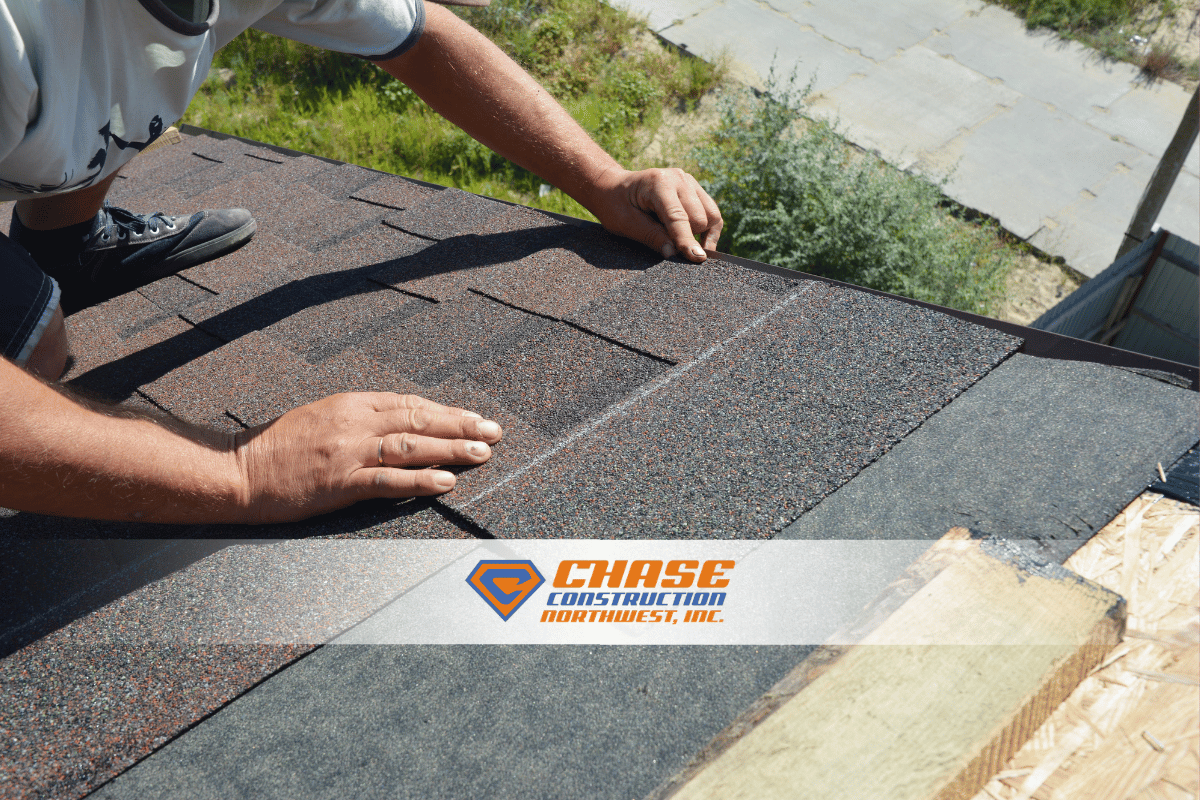
A 4/12 roof is often suitable for asphalt shingles, making this pitch common in residential roofing. However, material suitability depends on the specific product, manufacturer requirements, local building standards, roof design, and installation method.
The moderate slope provides enough angle for water to move toward the drainage system when the roof is properly designed and installed. Proper underlayment, flashing, ventilation, and shingle installation remain important regardless of the pitch.
Before selecting asphalt shingles, homeowners should consider the roof’s age, existing condition, ventilation, weather exposure, and overall design. The right material should provide dependable protection while complementing the home’s appearance.
Chase Construction North West can help homeowners evaluate the existing roof and determine whether the current material fits the roof’s design and condition.
What Is the Minimum Pitch for Roofing?
The minimum pitch depends on the roofing material and manufacturer specifications. Not every material is designed for every slope, so homeowners should avoid assuming that one product works equally well on all roofs.
A 4/12 roof generally falls into a range where several common residential roofing options may be considered, but installation details still matter. Lower-slope sections require careful attention to water management because water moves more slowly across the roof surface.
If a roofing system is installed incorrectly, water can get beneath roofing materials and contribute to moisture damage. Proper flashing around chimneys, vents, walls, and other penetrations is especially important.
When considering a replacement, a professional can inspect the existing slope and recommend materials that meet the roof’s requirements. Chase Construction North West focuses on practical solutions that consider both the roof’s structure and the homeowner’s long-term needs.
Can Metal Roofing or Panels Work on a 4/12 Roof?
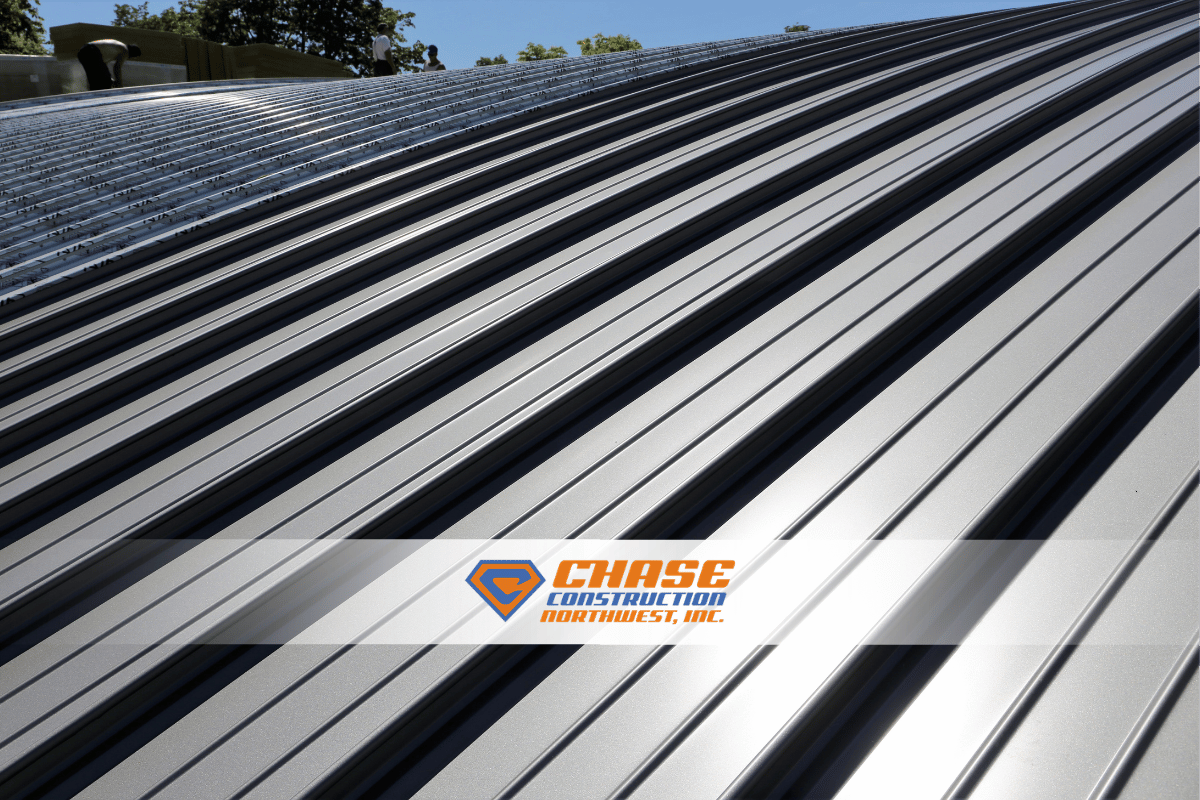
Homeowners may also wonder whether metal roofing or roofing panels can be used on a 4/12 roof. In many situations, metal roofing systems can work on moderate slopes, but the exact answer depends on the panel profile and the manufacturer’s installation requirements.
Metal systems can offer a durable alternative to traditional shingles. Their appearance can also complement modern, farmhouse, craftsman, and other residential styles.
However, metal roofing is not simply a matter of placing panels over the existing roof. The fastening system, seams, underlayment, flashing, ventilation, and roof deck condition all contribute to the finished system’s performance.
For this reason, homeowners should select a roofing system based on the complete roof design rather than appearance alone. Chase Construction North West can help property owners understand the differences between roofing options and identify a solution suited to the structure.
How Snow and Weather Can Affect Roof Pitch
Roof pitch also influences how a home responds to weather. In areas that experience snow, a steeper slope can encourage snow to slide from the roof more readily. A 4/12 roof has a moderate slope, so you may need to consider snow accumulation alongside structural design and local conditions.
Rain is another important factor. Proper roof slope helps direct water toward gutters and drainage points, but pitch alone does not guarantee a watertight roof. Flashing, underlayment, shingles or panels, ventilation, and installation quality all work together.
Strong winds can also place demands on roofing materials. Proper fastening and installation methods are essential to maintaining the roofing system’s performance during severe weather.
A professional inspection can identify issues that may not be obvious from ground level, including damaged materials, poor drainage, deteriorated flashing, or areas where water may be collecting.
Measuring a 4/12 Roof Pitch at Home
If you want to understand your roof’s slope, you can measure it in several ways. One common approach is to use an accessible area such as an attic, where you can measure the vertical rise over a known horizontal distance.
You can also use a pitch calculator or roof pitch calculator after collecting the appropriate measurements. A roof pitch chart can provide quick reference points for common ratios.
When measuring, safety should come first. Homeowners should avoid climbing onto a roof just to take measurements, especially when the surface is wet, damaged, steep, or otherwise unsafe.
A professional can determine the pitch while also checking the roof deck, roof rafter condition, flashing, ventilation, and other components. This gives you more useful information than a pitch measurement alone.
Why a 4/12 Roof Pitch Matters to Homeowners
Understanding your roof pitch helps you make more informed decisions about repairs and replacement. It can affect material selection, roof surface calculations, drainage, rafter dimensions, and installation methods.
For homeowners, the most important points to remember are:
- A 4/12 pitch rises 4 inches for every 12 inches of horizontal run.
- The roof pitch can influence which roofing materials are suitable.
- A pitch factor helps estimate sloped surface and rafter length.
- Building width and roof configuration affect the total roof height.
- Proper installation remains essential for drainage, weather resistance, and durability.
Knowing what is a 4/12 roof pitch is a useful starting point, but it is only one part of evaluating a roofing system. You should also consider the roof’s age, materials, ventilation, structure, flashing, drainage, and overall condition.
Get Expert Help With Your 4/12 Roof
A well-designed roof should work quietly in the background while protecting everything beneath it. If you are planning a roof replacement, noticing signs of wear, or simply want to understand whether your 4/12 roof is performing as it should, professional guidance can make the process easier.
Chase Construction North West is ready to help homeowners evaluate their roofing needs and explore practical options for their property. From understanding roof slope and material choices to planning installation, the right professional support can give you greater confidence in your investment.
Ready to understand your roof from the ridge down? Contact Chase Construction North West today to discuss your roofing project and take the next step toward dependable, long-lasting protection.