If you have a flat or low-slope roof, you may have heard the term bitumen roofing and wondered exactly what it means. This roofing approach has been used for decades because it combines durability, weather resistance, and practical waterproofing with materials designed for demanding conditions.
But what is bitumen roofing, and why is it such a popular choice for certain properties? In simple terms, bitumen roofing uses an asphalt-based material to create a protective layer over a roof. Depending on the product and installation method, these materials can provide a highly effective barrier against moisture, temperature changes, and everyday wear.
For homeowners considering roof replacement, repair, or roof restoration, understanding How these systems work can make it easier to choose the right solution. Chase Construction North West helps homeowners make informed roofing decisions by focusing on dependable workmanship, quality materials, and solutions suited to each property’s needs.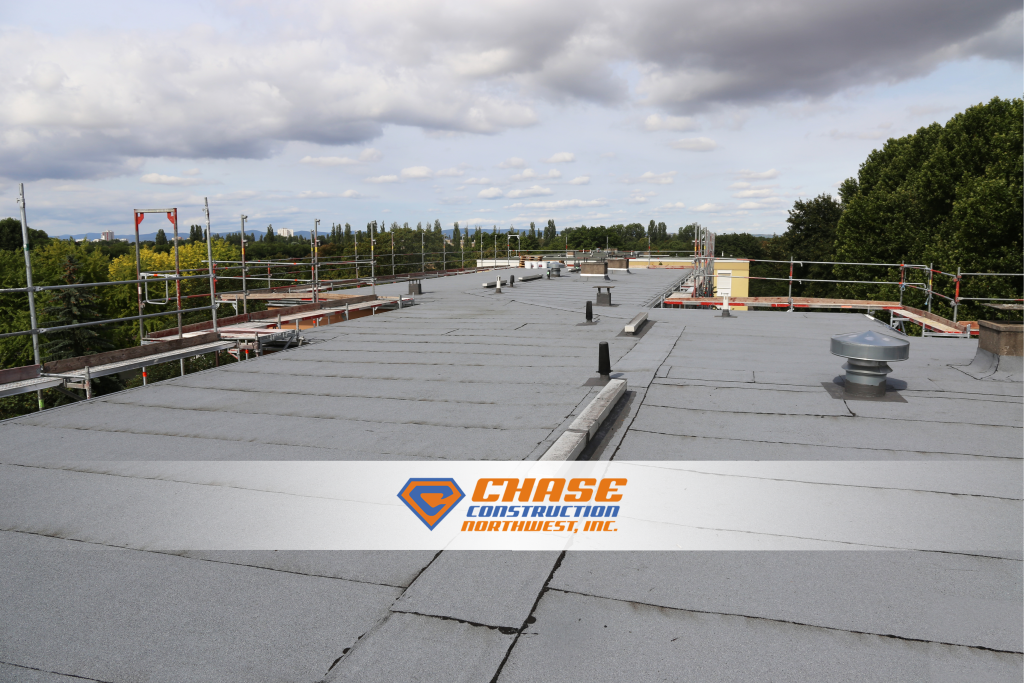
What Is Bitumen Roofing?
So, what is bitumen roofing in practical terms? Bitumen is a durable, waterproofing material made from a thick form of petroleum-based asphalt. It can be reinforced with materials such as fiberglass or polyester to improve strength and flexibility.
A bitumen roof typically consists of one or more layers that work together to protect the structure underneath. These layers may be installed using different techniques depending on the roofing system, building design, and manufacturer’s specifications.
Unlike some traditional roofing materials, bitumen membranes are particularly well suited to flat roofing and low-slope applications. Their ability to form a continuous waterproof layer helps reduce the risk of water entering through vulnerable areas.
For homeowners, the biggest advantage is straightforward: a properly installed bitumen roofing system can provide long-lasting protection without requiring unnecessarily complicated maintenance.
How Does Bitumen Roofing Work?
The basic principle behind bitumen roofing is creating a durable barrier between the building and the outside environment. The roofing material is applied across the roof surface, with seams, edges, penetrations, and drainage points carefully detailed to create a watertight system.
Some products come as rolls of flexible asphalt membrane. Others are designed as layers within more advanced systems. Depending on the application, the membrane may be adhered, mechanically fastened, or installed using another approved method.
A quality installation matters as much as the material itself. Even an incredibly sturdy roofing product can perform poorly if seams are incorrectly joined or drainage is overlooked.
That is why Chase Construction North West approaches every roofing project with attention to the complete system, not just the visible surface.
Bitumen Membranes and Their Main Benefits
Bitumen membranes are popular because they offer a useful combination of strength, flexibility, and water resistance. They can be reinforced to withstand movement and everyday environmental stresses while maintaining their protective properties.
Homeowners may consider bitumen systems for several reasons:
- Water resistance: Properly installed membranes create an effective waterproofing membrane across the roof.
- Durability: Quality bitumen products can withstand demanding weather and regular exposure.
- Flexibility: Certain membranes can accommodate limited movement caused by temperature changes.
- Versatility: Bitumen systems can suit various flat and low-slope roofing applications.
- Repair potential: Damaged sections can often be assessed and addressed without automatically replacing the entire roof.
Another benefit is the range of available products. Modern systems can be engineered for different performance requirements, making it easier to select a solution appropriate for residential or commercial buildings.
What Is Bit Roofing and How Is It Different?
The term bit roofing is sometimes used informally when referring to bitumen-based roofing materials. Although the terminology can vary, the underlying idea is generally the same: a roof system that uses bitumen as a key waterproofing component.
Traditional bitumen roofs have evolved significantly over the years. Modern products can include reinforced membranes, advanced coatings, and improved installation methods designed to enhance performance.
It’s also important to distinguish bitumen systems from other roofing materials such as PVC. Both can be used in flat roofing, but they have different material properties, installation requirements, and performance characteristics.
The best choice depends on factors such as roof design, existing materials, drainage, building use, budget, and expected service life. Chase Construction North West can help homeowners understand these differences before committing to a roofing system.
Mod-Bit Roofing and Modified Bitumen Explained
If you have researched bitumen roofing, you may also have encountered the terms mod-bit roofing and modified bitumen roofing. These refer to bitumen products modified with polymers to improve certain characteristics.
The word “modified” matters because these systems are designed to improve the performance of traditional bitumen. Depending on the formulation, modification can improve flexibility, resistance to temperature changes, durability, or other characteristics.
Modified bitumen membranes are commonly used for flat and low-slope roofs. They can be manufactured with reinforcing layers that provide additional stability and strength.
For property owners, the practical advantage is having a roofing material engineered for modern performance requirements rather than relying exclusively on older bitumen formulations.
Chase Construction North West considers the existing roof’s condition and design when determining whether a modified bitumen solution is appropriate.
Bitumen Roofing vs. Built-Up Roofing
Bitumen roofing can sometimes be discussed alongside built-up roofing, but these systems are not necessarily identical. Built-up roofing traditionally uses multiple layers to create a durable roof assembly, with bitumen serving as a key component between reinforcing layers.
Modern bitumen systems can use different membrane configurations and installation techniques, allowing contractors to tailor the system to the property.
The distinction matters because choosing a roofing system is not simply about selecting the most popular material. The roof’s slope, drainage pattern, existing substrate, ventilation, weather exposure, and intended use all influence the appropriate approach.
A professional assessment can identify whether a conventional bitumen roof, modified bitumen system, another membrane, or a completely different roofing solution makes the most sense.
Why Professional Installation Matters
A high-quality roofing material cannot compensate for poor installation. Every part of a roof system needs to work together, from the underlying surface to the membrane and protective coatings.
Installation should account for seams, flashing, roof edges, penetrations, drainage points, and areas where different materials meet. Poor detailing in any of these locations can create opportunities for water intrusion.
Professional installation also helps ensure that roofing products are applied according to their intended specifications. This can improve reliability and reduce the likelihood of premature problems.
Chase Construction North West focuses on careful preparation and workmanship because dependable roofing is about more than putting material over a roof. It is about creating a complete protective system that performs as intended.
When Should You Consider a Bitumen Roof?
Bitumen roofing may be worth considering when a property has a flat or low-slope roof and requires a durable waterproofing solution. It can be used in both residential and commercial settings, depending on the structure and system selected.
Signs that your existing roof may need professional attention include recurring leaks, damaged membranes, ponding water, cracked areas, deteriorated seams, or visible surface wear.
However, damage does not always mean a complete replacement is necessary. In some situations, targeted repairs or roof restoration may extend the useful life of an existing system. A professional inspection can help determine whether restoration, repair, or replacement is the most sensible option.
Chase Construction North West can assess your roof’s current condition and help you understand your options without treating every roofing concern as an automatic replacement project.
Choosing the Right Bitumen Roofing System
No single bitumen roofing product is ideal for every property. The right system should match the roof’s construction, environmental conditions, expected performance, and long-term maintenance needs.
When comparing options, homeowners should consider:
- The roof’s slope and drainage
- Existing roofing materials and substrate condition
- Expected weather exposure
- Membrane reinforcement and product specifications
- Installation requirements
- Maintenance and repair considerations
- Long-term value rather than initial cost alone
It is also worth considering How the new roof will integrate with existing flashing, drainage, insulation, and other components. A roof is a system, so don’t evaluate individual materials in isolation.
With professional guidance from Chase Construction North West, homeowners can make a more informed decision based on their property’s actual requirements.
Protect Your Property With the Right Roofing Solution
Understanding what bitumen roofing is is only the first step. The more important question is whether a bitumen-based system is the right choice for your particular property.
From traditional bitumen membranes to modern modified bitumen products, today’s roofing options offer practical solutions for many flat and low-slope applications. With proper installation and maintenance, these systems can provide reliable protection against moisture and everyday environmental challenges.
If your roof is showing signs of aging, damage, or water intrusion, don’t wait for a small concern to become a major repair. Chase Construction North West is ready to help you assess your roofing needs and identify a dependable solution built around quality, durability, and professional workmanship.
Give your roof the attention it deserves today. Contact Chase Construction North West to discuss your roofing project and take the next step toward dependable, long-lasting protection.