An Urban Legend Debunked
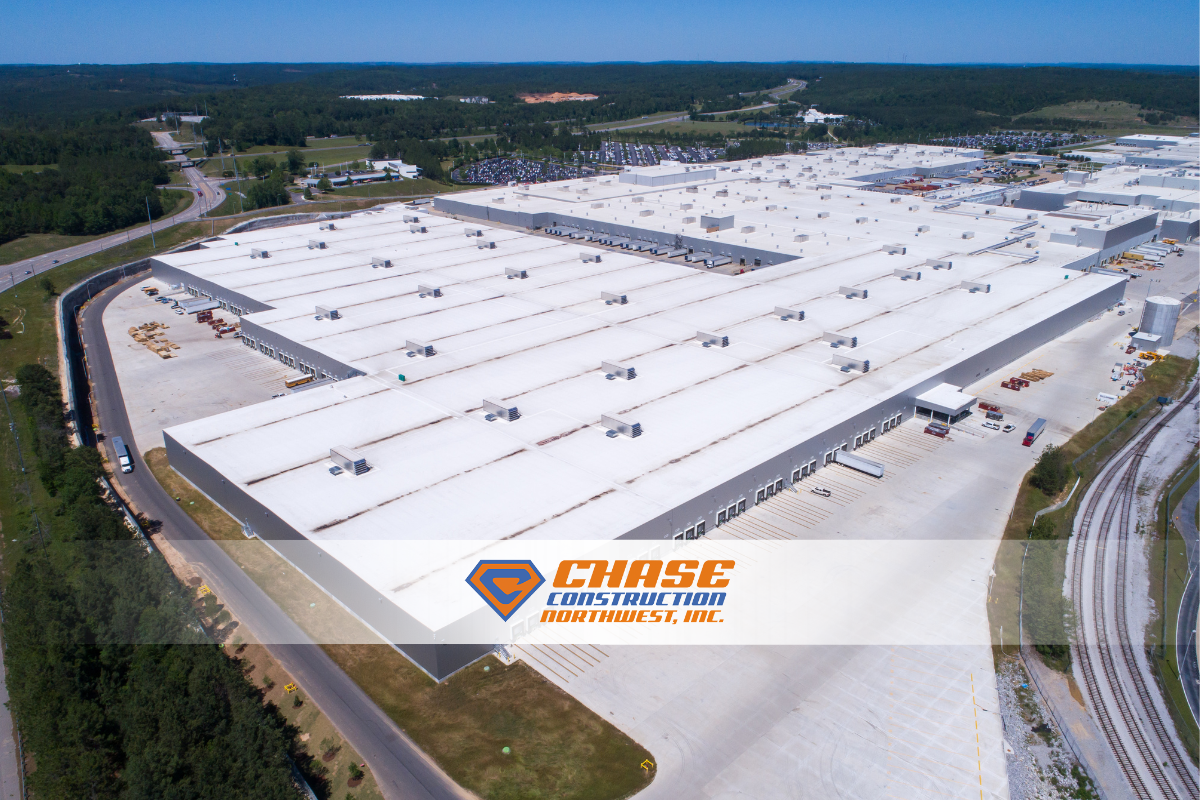
For quite a few years now, roofers have been using highly reflective low-slope roof membranes that are also known as “cool roofs.” Ever since their introduction in the 1990’s, this roofing system has been said to to spur moisture accumulation in low-slope roofs in both hot and cold climates. This belief has morphed into an urban legend of sorts that states that such cool roofs should be avoided because they will accumulate more moisture when compared with non reflective membranes. With this in mind, fears of facer failure, loss of R-value and biological growth follow. This so-called “fact” is currently being used in marketing and sales presentations for non reflective roofs as scientific fact, but when physics is used to assess moisture accumulation in highly reflective roofs, the widely spread urban legend can be largely discredited.
Moisture Accumulation Phenomenons
When trying to substantiate the concern about moisture build up, it is key to consider how moisture moves within a roof system. There are four major phenomenons to consider. First is vapor diffusion. Such diffusion occurs when a concentration gradient is present. More specifically, the catalyst of diffusion is a difference in water vapor pressure between two points, such as the inside and outside of a building. If you consider a hot and humid climate such as Arizona’s, you can conclude that the water vapor pressure outside the building is higher than it is inside. Water vapor in the air then will have a propensity to move from high-vapor pressure outside to lower pressure inside. The exact opposite is true in cold and dry outside climates. This same scenario occurs in the roofing system with water molecules wanting to move from a high-vapor pressure area to a low-pressure area. The next category of moisture movement is capillary movement. This phenomenon can be demonstrated through thinking about how a paper towel works. When you wipe up water with it, the water doesn’t jump into the towel but rather, capillary movement causes the absorption of the water into the towel. The more absorbent the towel, the greater the capillary action. This capillary action can occur in roofs within the microscopic pores within the material, the boards of high-density fiberglass, and in the tiny apiaries between singular glass fibers. Next on the list is gravity driven moisture movement. This occurs if there is a gap in the roofing system and precipitation enters. Gravity will cause the liquid to run down into the system and eventually into the building. The last form of moisture movement is mass transport by moving air. If there is natural or artificial air movement, there is the potential for mass transport. This is the most understated of the four moisture movement categories but they all can cause detrimental amount of moisture into a roof system.
Highly Reflective Versus Non Reflective Roofing Systems
The Midwest Roofing Contractors Association in Manhattan conducted a test bed research project to test the temperature differential between two roofing systems. They were both constructed using the same insulation, attachment method, and solar exposure, and were  over shared airspace. The only difference stemmed from the membrane reflectivity– one being highly reflective (69%) and the other non reflective (7%). Several data findings emerged. First, the highly reflective roof, as is connotated by the term “cool roof,” operates at a lower temperate than the non reflective roof. Next, during nighttime hours, when incoming solar radiation is absent, the two systems have nearly identical temperatures. Lastly, when there is obvious nighttime radiative cooling, the two membranes cool to temperatures below those of the air that surrounds them.
The Moisture and Temperature Connection
Reviewing this data, it is clear to see that highly reflective roof membranes operate at lower temperatures than non reflective roof membranes. Next we must consider the four forms of moisture movement. Air movement, liquid transfer by gravity, and capillary movement aren’t at all contingent on temperature, as substantiated by scientific evidence. Therefore, the highly reflective membrane cannot cause more moisture movement through these phenomenons. However, when it comes to the diffusion of water vapor, temperature is definitely a factor. Higher membrane temperatures will lead to increased diffusion rates or put more simply, a hot roof will dry down faster than a cool one. If you refer back to the study, and you consider moisture to move freely through these roof systems, there is nothing impeding the vapor in the interior. The maximum influx of moisture by diffusion would therefore occur when their temperatures are at their lowest. It is during nighttime when this happens that these roof systems are in complete temperature uniformity. Therefore, the reflection scale of the roof system would bear no effect on the amount of moisture retention. However, when dawn comes and solar radiation comes into play, their operating temperatures diverge. A non reflective roof will then operate at a higher temperature and consequently be able to dry faster than a highly reflective roof. It can then be inferred that if a highly reflective roof does not diffuse all the moisture from the night before, there is moisture accumulation.
The End of “Cool Roof” Systems?
In conclusion, this piece of writing is simply here to challenge previous misconceptions. It is true that moisture accumulation can be exacerbated if the highly reflective roofing system has slight moisture gain during the night that it cannot rid itself of during the day.  However, one must think this over and concur that the highly reflective membrane didn’t cause this, it was just. Roofers therefore shouldn’t downright avoid such systems, but rather utilize the design and installation principles necessary to facilitate a quality, long lasting roof system. The roofing industry professionals just need to remember that if moisture enters under the membrane by any mechanism, the “cool roof,” highly reflective roofing membrane will be at a disadvantage when trying to drive out the moisture as a result of lower vapor pressures developed.
See Which Roofing System is the Best for You Today!
If you are in the Puget Sound region of Washington State and are in need of roofing, decking, waterproofing, or skylight installation services contact Chase Construction North West, Inc. today. We provide services in King County and Pierce County, along with major cities such as Seattle, Tacoma, Puyallup, Federal Way, Renton, Auburn, Des Moines and all of the surrounding cities. Make sure to fill out our free estimate form or call us at (253) 445-8950 today!