A roof replacement is more than putting fresh shingles on your home. It involves removing worn components, evaluating the structure beneath them, and building a roofing system designed to manage moisture and weather exposure.
For homeowners in the Pacific Northwest, those details matter. Frequent rain makes proper drainage and protection around vulnerable areas especially important. Chase Construction Northwest explains the work beneath the surface so you can understand what your new roof needs and ask better questions before the project begins.
Roof Replacement Starts With a Clear Scope
A thorough roof inspection helps establish the scope of work. Your contractor should evaluate visible wear, potential leak sources, and accessible structural conditions before recommending an approach.
The roofing proposal should explain what will be removed, which materials will be used, and how unexpected damage will be handled. Some conditions only become visible after demolition.
Ask whether the quoted cost covers disposal, flashing work, and potential decking charges. A roof replacement estimate should make these distinctions clear rather than leave you assuming every possible expense is included. Understanding the scope also helps you compare proposals more fairly.
Removing the Old Roof and Checking the Deck
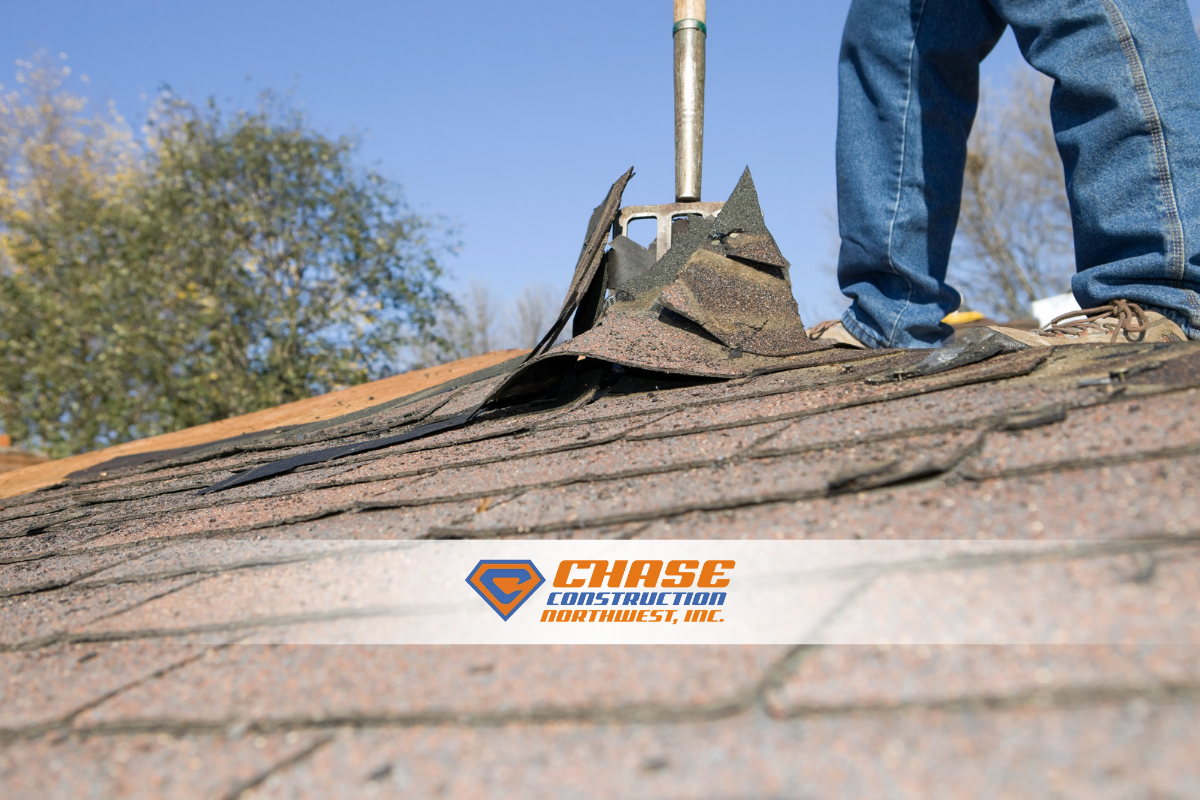
Chase describes the starting point directly: “A roof replacement includes tearing off the whole entire roof.”
In this context, that means removing the existing roof covering and underlying components to expose the supporting surface, not automatically replacing the structural framing.
The next step is “getting down to the plywood” and “assessing the condition of the plywood,” as Chase explains.
This inspection matters because roofing materials need a sound base. If the roof deck contains rotted plywood or deteriorated boards, those sections need attention before installation continues. The extent of that work can affect the cost and schedule.
Choosing Roofing Materials for Local Conditions
Chase Construction Northwest highlights the GAF Timberline HDZ roofing system in its explanation of the replacement process. This approach treats the roof as a combination of compatible components rather than a single outer covering.
Asphalt shingles provide the visible surface, but the supporting roofing products also influence performance. Choosing materials involves considering appearance, product specifications, slope, and exposure.
Your contractor can explain which options suit your home and how they affect the overall project. The goal is a roof that performs reliably for years, not simply a color that looks appealing from the street.
Protective Layers Beneath Your Roof
The layers beneath the roof shingles help manage moisture that gets past the outer covering. Underlayment provides a secondary protective layer, while starter strips support proper detailing along specified edges.
Chase also identifies an additional protective component: “ice and water shield.” He explains that it belongs in “the critical leak areas.”
This water barrier is intended for vulnerable locations, with placement governed by product instructions and applicable requirements. It does not replace proper flashing or drainage.
These less visible parts of the roofing system deserve attention when reviewing a roof replacement proposal. Ask which products are specified and where they will be used.
Flashing and Ventilation Systems
Flashing directs water away from intersections and penetrations, including areas around chimneys, walls, and pipes. A roof can develop leaks at these transitions even when its main surface appears intact.
Chase describes “multiple flashings and metals” as part of the system. Your roofing contractor should explain which details need renewal and whether any existing components are suitable for reuse.
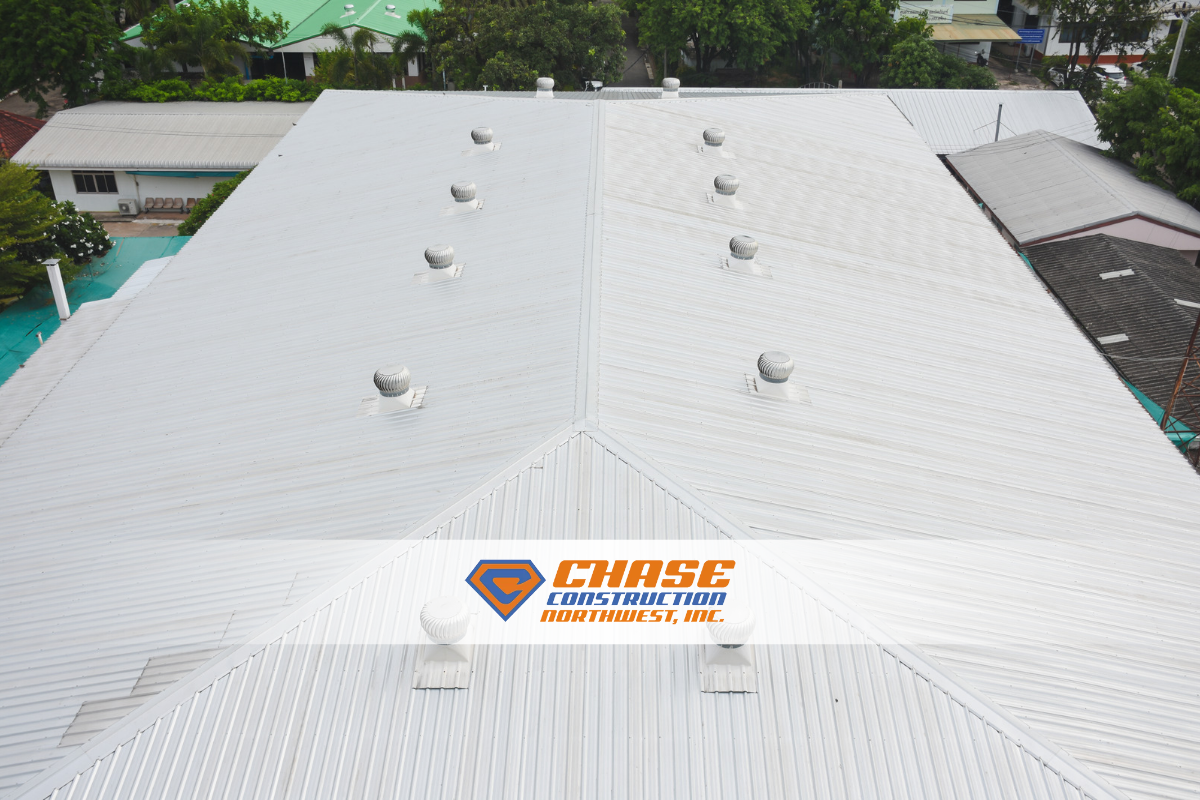
Ventilation also deserves evaluation. Balanced intake and exhaust help manage attic heat and moisture. Depending on the home, that may involve ridge vents or other configurations. The appropriate approach depends on the structure, not a universal product checklist.
Roof Installation and Property Protection
Once the supporting surface is ready, roof installation follows the specified assembly sequence and manufacturer requirements. Correct fastening, component placement, and detailing all influence how the finished system performs.
The replacement process should also account for your property. Before roofing work starts, discuss access, material staging, landscaping protection, and where debris will be collected.
Ask your contractor how the home will be protected if rain interrupts the schedule. A new roof takes planning as well as skilled labor, especially when weather conditions can change quickly. Clear communication helps you prepare without assuming every job follows the same timeline.
Cleanup, Inspection, and Warranty Questions
A final inspection should review completed work and identify anything requiring correction. Cleanup should address removed materials, loose debris, and stray fasteners around accessible work areas.
Before closing out a roof replacement, ask for product information and an explanation of warranty coverage. Manufacturer protection and workmanship protection can address different issues, and roofing warranties may have specific eligibility conditions.
Keep your proposal, invoices, and relevant documentation together. These records can help if you need a future repair or have questions about what was installed. Also ask what ongoing maintenance is recommended to support long term performance.
Plan Your New Roof With Chase Construction Northwest
The right roof replacement starts with understanding your home, not selecting a package without an assessment. The condition of the underlying structure, the roof layout, and the chosen materials all shape the recommended work.
Chase Construction Northwest describes an approach that examines the supporting surface and combines protective components into a complete roofing system. To discuss your roof and available roofing options, call 253 445 8950 or visit chasenw.com.
Ask for a clear explanation of the proposed scope, anticipated cost, and any conditions that could change the plan.