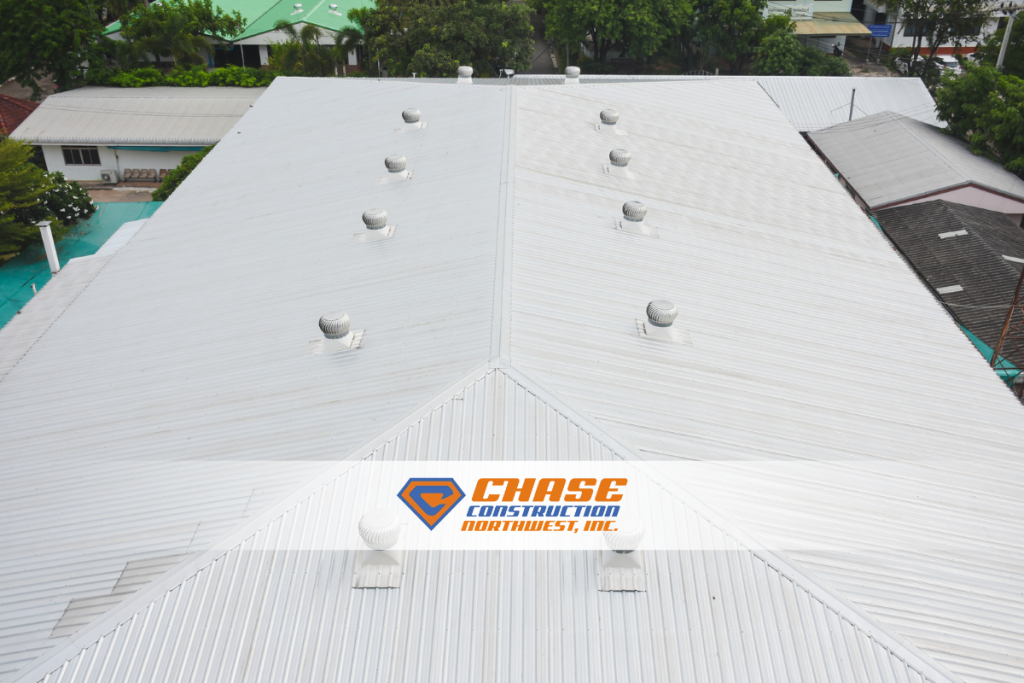
Commercial roofing is the design, installation, repair, and maintenance of the protective covering on a business property. It helps keep water out, protect equipment, and support everyday operations. A dependable roof also helps owners manage costs over time. At Chase Construction Northwest, conversations about commercial projects start with understanding the building, because the right roofing services depend on more than the material you can see.
How Commercial Roofing Differs From Other Work
Residential roofing and commercial roofing share a basic purpose, but the differences matter. A home often has a steep roof with asphalt shingles. A business property may have a broad roof surface, rooftop equipment, and drainage details that require a different approach.
As Chase explains, “These different classifications of building types require different types of roofing.” That is a useful starting point, not a universal rule. The roof pitch, structural capacity, energy requirements, and local building codes all influence which commercial approach is appropriate.
Materials That Match the Building
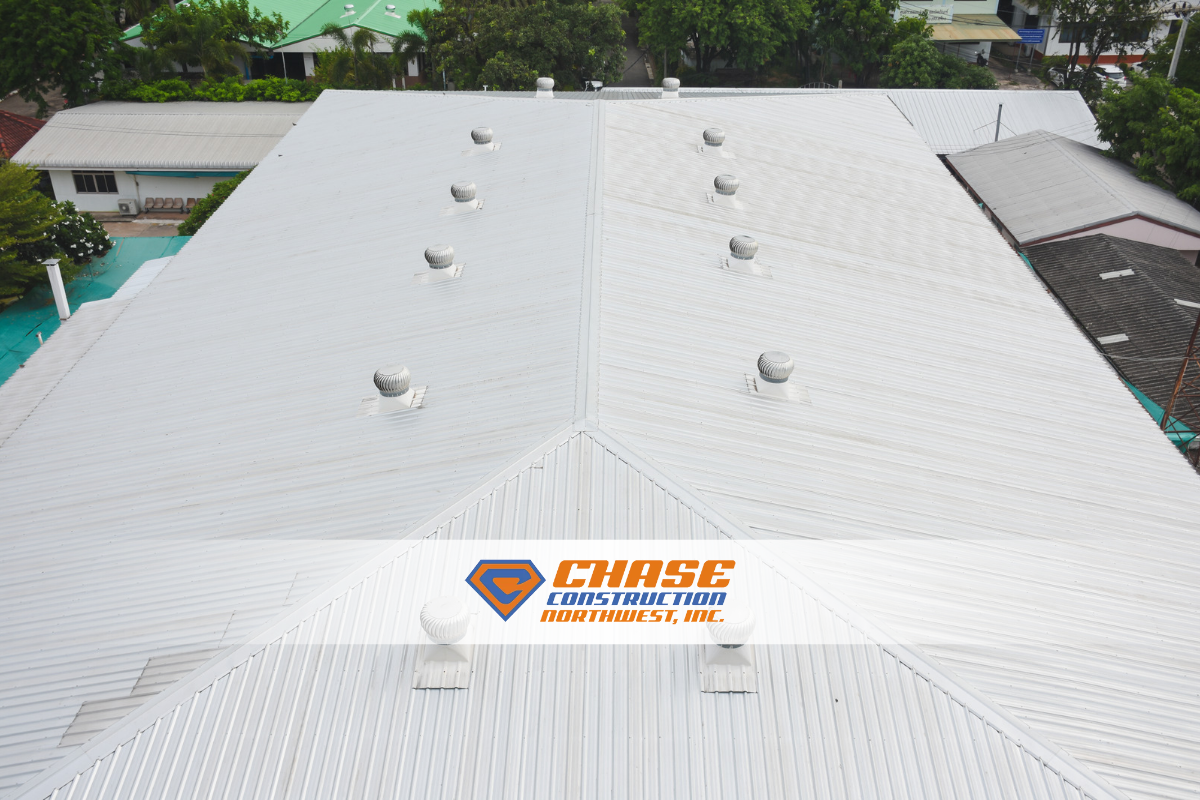
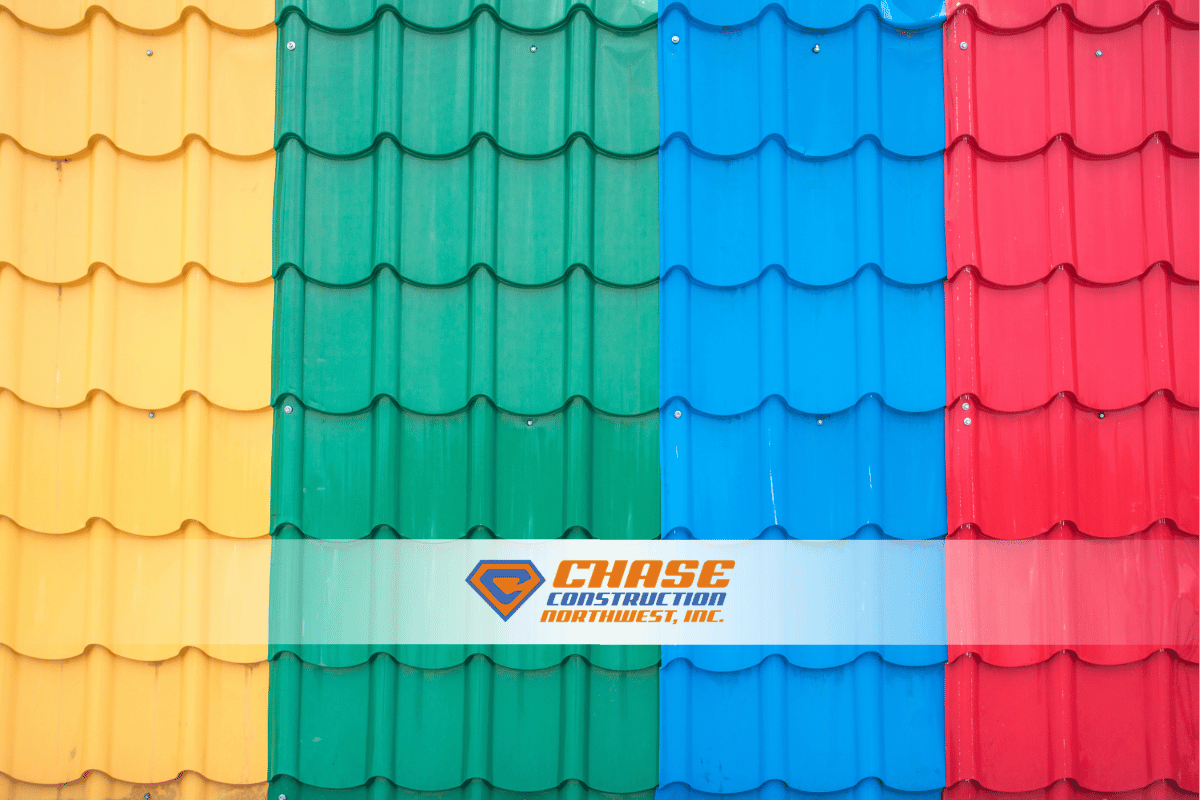
Two common choices are metal roofing and single ply membranes. Metal can be suitable for industrial buildings, but not every metal profile works at a low slope. Panel design, seams, and manufacturer requirements determine where metal systems can perform reliably. Choosing metal based on appearance alone can overlook important limits.
Membrane roofing commonly includes TPO, PVC, and EPDM. These systems have different joining methods, performance characteristics, and compatibility requirements. The best commercial roof option depends on the building and its exposure, not simply which material is most familiar. Insulation, attachment, and drainage are equally important parts of the assembly.
A proper roof installation considers those components together. Chase Construction Northwest can help you explore roofing services that fit your property rather than treating every roofing project as the same specification.
Why Roofing Systems Depend on Slope
Slope determines how quickly water leaves a roof. On a low slope surface, the assembly must manage water differently than shingles on a steeper building. Even a small issue at a drain, seam, or penetration can create a path for moisture. This is why systems must be selected and detailed for actual conditions.
Chase makes this point clearly: “Even in a residential setting where you have a low sloped roof, you still use the commercial methods.” In other words, the building label does not override the demands of the roof itself. Professional roofing practices follow slope and material requirements, whether the structure is a house or a business.
When Roof Replacement Makes Sense
A leak does not automatically mean you need roof replacement. Sometimes roof repair can address a localized flashing defect or isolated damage. In other cases, widespread deterioration, recurring leaks, or wet insulation make replacement a more practical investment. The condition of the underlying assembly matters as much as the visible surface.
The first step is an inspection, not a guess. A commercial roofing evaluation should consider the roof age, drainage, repair history, and evidence of trapped moisture. Roof repair may extend service life when the surrounding material remains sound. Repeated roof repair without investigating the cause, however, can turn a manageable issue into a larger expense.
Chase Construction Northwest can discuss roof repair and roof replacement services in the context of your building, helping you understand the next step before committing to extensive roofing work.
What to Expect From Professional Service
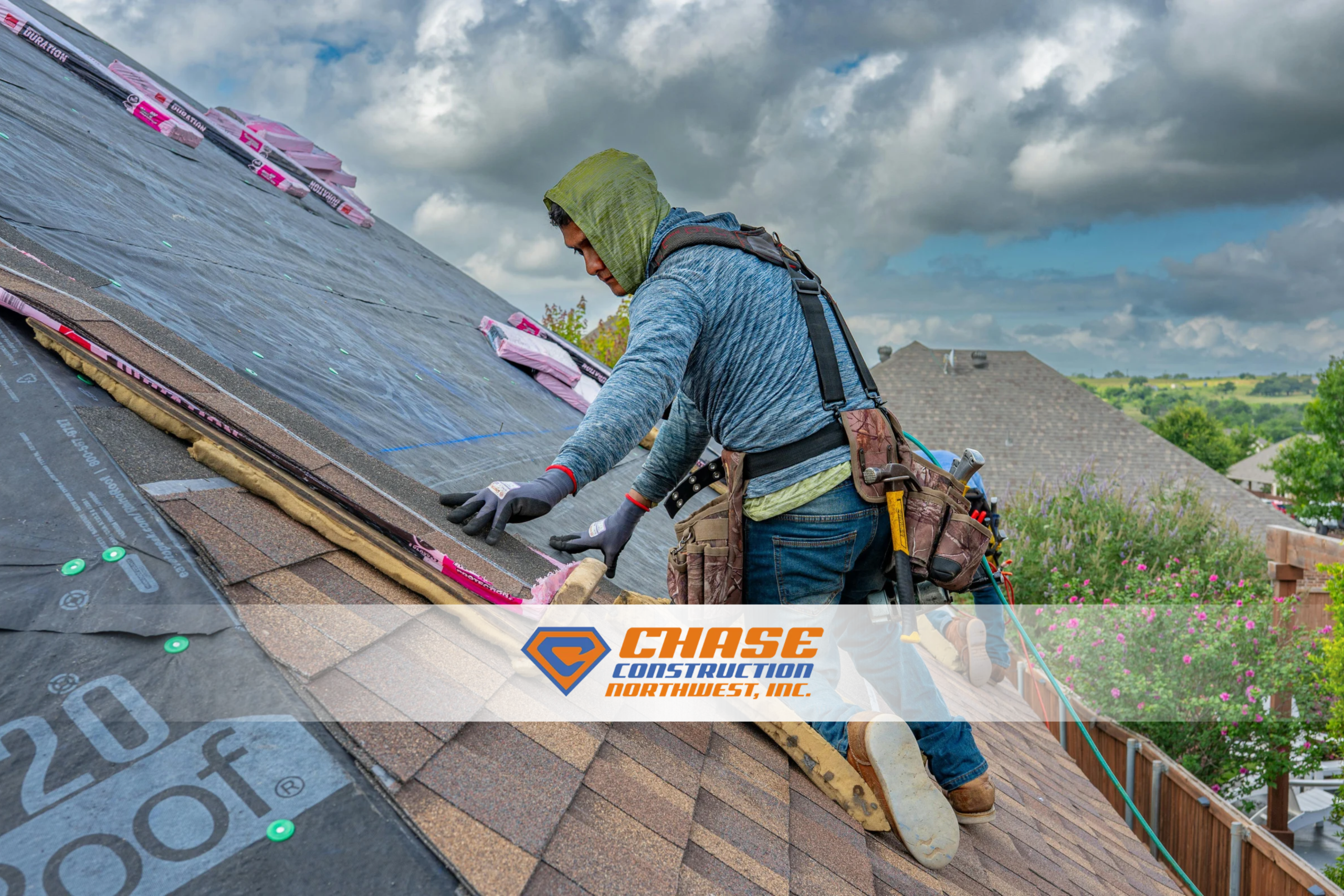
Good commercial roofing starts before crews arrive. Your roofing contractor should explain the proposed scope, material selection, access arrangements, and how the work may affect occupants. Experienced roofers also pay attention to details around equipment curbs and roof edges, where weak transitions can undermine otherwise suitable materials.
For roof installation, ask how insulation, drainage, and attachment will be handled. A clear installation plan should reflect manufacturer instructions and applicable code requirements. Well designed systems still need careful execution, so roofing quality depends on both the product and the workmanship.
After the work, maintenance helps protect the roof and identify problems early. Ask about inspection intervals, debris removal, and documentation. Regular maintenance is especially valuable after severe weather or other trades have worked near the roof. These services help owners respond to changes before small defects become disruptive leaks.
Talk With Chase Construction Northwest
Choosing commercial roofing is not about finding a single product that works everywhere. It is about matching the roof to the building and keeping it performing through appropriate maintenance. Chase Construction Northwest can help you discuss roofing services for your property, including questions about materials, project scope, and the condition of your existing roof.
If your roof is leaking, aging, or due for a closer look, start with a conversation. Contact Chase Construction Northwest at 2534458950 or visit chasenw.com to discuss your commercial roofing needs and the next step for your roof.