Planning a roof replacement starts with understanding what you are actually paying for. Square footage matters, but so do the slope, existing layers, product selection, and condition of the structure underneath. Two houses with similar floor plans can require very different budgets.
At Chase Construction Northwest, the starting point is evaluating your property rather than guessing from a national average. As Chase explains, “Not all homes are the same.”
Here is how to build a useful preliminary budget and understand why an inspection is essential before committing to a final number.
Start With Roof Size
Your home’s interior square footage is not the same as its roof surface area. Slopes, overhangs, attached garages, and additions all affect the total coverage needed.
“Square footage is one of the main contributors of how much your roof costs,” says Chase.
Professionals typically calculate coverage in squares, with one square equaling 100 square feet. They also account for cutting waste around valleys, edges, and other transitions.
For an initial estimate, gather any existing plans or measurement reports. Avoid climbing onto the surface yourself. Chase Construction Northwest can evaluate the dimensions and conditions that influence your actual project scope.
Consider Roofing Materials
Product selection affects both the initial investment and the system’s long term performance. Asphalt shingles and metal systems, for example, have different purchase requirements, installation methods, and maintenance considerations.
The most useful comparison looks beyond appearance. Ask how each option suits your home, local weather exposure, and budget. Check what the warranty covers, including any conditions involving ventilation or required accessories.
A lower product price does not automatically mean better value. Compatible components and proper workmanship matter just as much. Discussing your priorities with Chase Construction Northwest helps connect your choices to the demands of your specific property.
Allow for Underlayment
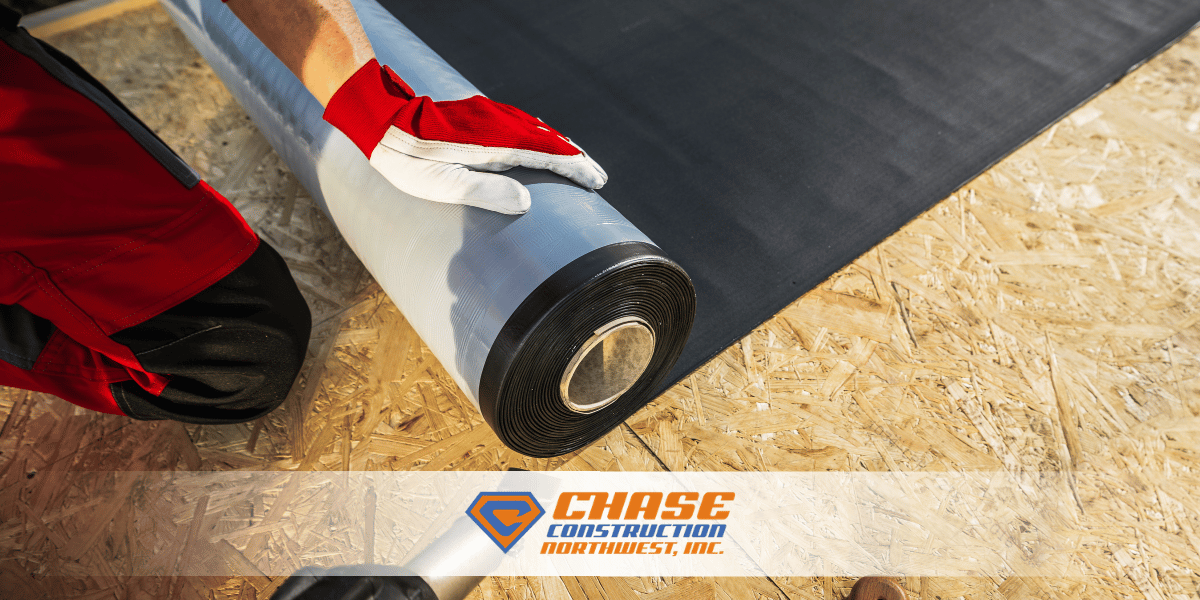
The visible covering is only one part of a complete system. Underlayment provides a secondary layer of protection beneath the exterior surface, helping manage water that gets past the outer covering.
The appropriate product depends on the selected system, slope, manufacturer requirements, and applicable building codes. Certain vulnerable areas may also need additional protection.
When reviewing a proposal, look for a clear description of what is included beneath the finished surface. An allowance that covers only the visible materials can leave you with an incomplete picture of the work and expense involved.
Check Flashing Details
Water is especially likely to enter around chimneys, skylights, walls, and other intersections. Flashing directs water away from these vulnerable areas, making its condition and detailing important to the overall scope.
A contractor should explain which existing components can remain and which need replacement. Reusing a questionable component simply to reduce the upfront cost can create a future leak risk.
This is also where an inspection can identify related repair needs. Stained ceilings or recurring leaks deserve attention, but the source is not always directly above the visible damage. An onsite assessment helps clarify what needs correction.
Account for Removal and Disposal
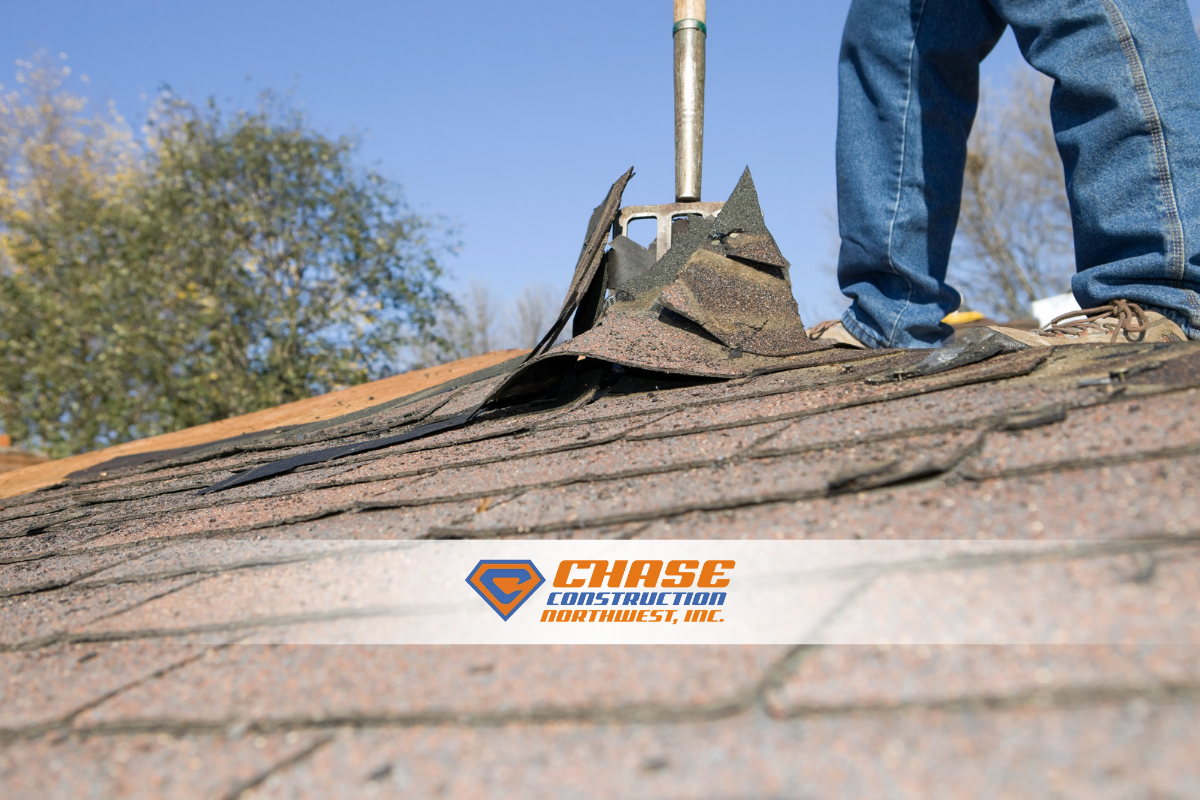
Existing layers affect how much work is required before new materials can be applied. Additional layers mean more debris, more handling, and potentially greater demands on the crew.
Chase offers a practical example: “Actually this roof behind us had two layers of roofing.”
Removal also exposes the decking, where hidden deterioration may become visible. Ask how any necessary wood repair will be documented and charged if it cannot be confirmed beforehand.
Your replacement estimate should clarify debris disposal and cleanup responsibilities. These details help you compare complete scopes rather than numbers that leave essential work out.
Understand Labor and Access
Steep slopes, complex layouts, and limited access can increase labor requirements. Crews may need additional safety equipment, more careful staging, or extra time to move supplies around the property.
Dormers, multiple valleys, and numerous penetrations also demand more detailed work than a simple layout. These factors explain why two properties with similar dimensions may receive different cost estimates.
Your location can affect local requirements, including permits and inspections. Ask your contractor how these items are handled. A clear proposal should make responsibilities understandable before work begins, not after unexpected charges appear.
Use a Roofing Calculator Carefully
An online tool can help establish a broad planning range, but it cannot confirm every condition affecting your project. Even a service that measures your roof using lidar data cannot reliably identify hidden decking damage or every existing layer.
A useful budgeting formula combines products, labor, removal, accessories, and an allowance for unforeseen conditions.
Treat that result as a starting point, not a binding quote. The biggest limitation is usually incomplete information. Chase Construction Northwest’s onsite evaluation helps turn general assumptions into a scope based on what your property actually needs.
Request a Detailed Roofing Cost Breakdown
Before choosing a company, compare bids for equivalent work. Look for clearly identified products, preparation, cleanup, potential additional charges, and warranty terms. The lowest total is not necessarily the strongest proposal if important work is missing.
For Chase Construction Northwest, gathering the right information comes before providing an accurate roof estimate. That includes looking at size, difficulty, and the number of existing layers rather than relying on a generic number.
Ready to plan your roof replacement with greater confidence? Call Chase Construction Northwest at 253 445 8950 or visit chasenw.com to request an evaluation and discuss your next steps.