A well-designed roof does more than protect a building from the elements. It adds character, improves structural stability, and plays an important role in the property’s long-term performance. Among the many residential roofing styles available, the hipped roof stands out for its balanced appearance and practical construction. Its sloping sides create a distinctive architectural profile while offering several advantages for homeowners.
But what is a hipped roof, and why do so many property owners consider this roofing style for their homes? Understanding its structure, benefits, and limitations can help you decide whether it is the right option for your property. At Chase Construction North West, we believe that choosing the right roofing design starts with understanding how different systems perform and what they offer.
What Is a Hipped Roof and How Does Its Structure Work?
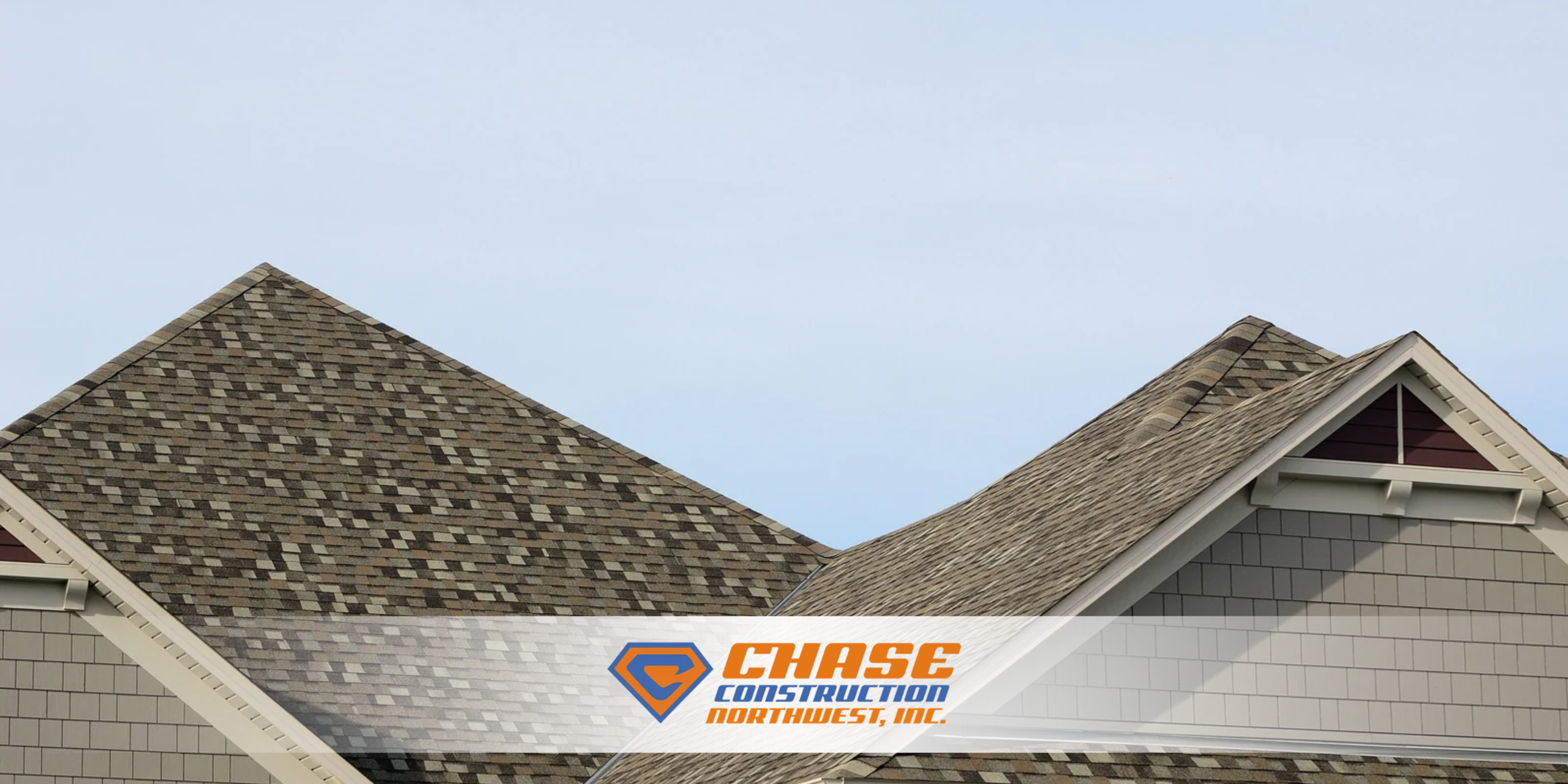
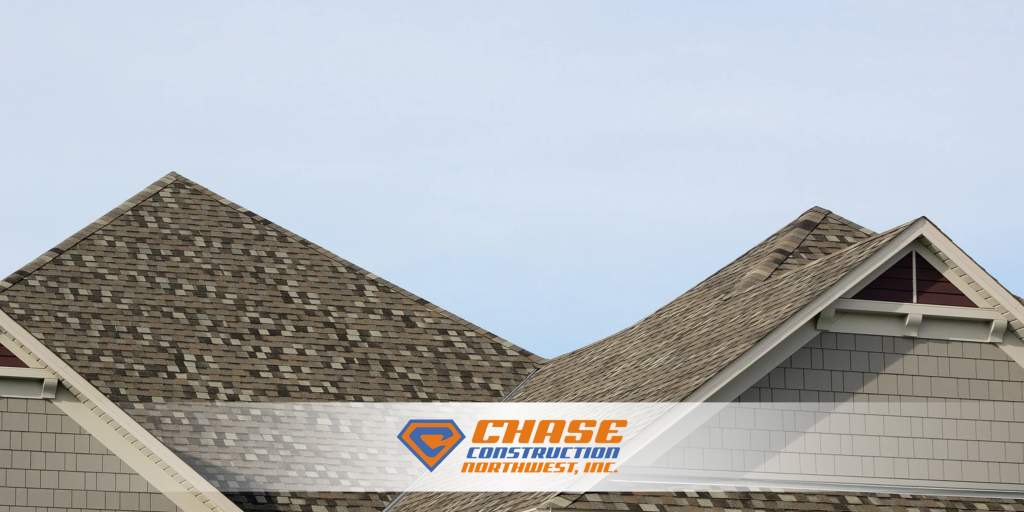
A hipped roof is a roofing style in which all four sides slope downward toward the exterior walls of a building. Unlike some traditional designs, it does not have vertical gable ends. Instead, the sloping sections meet along a central ridge or at a single peak, depending on the building’s shape.
The main feature that distinguishes this structure is its four-sided design. Each sloping section is known as a hip, and the connecting edges form the characteristic outline of the roof.
The structure generally includes:
- Rafters: Angled framing members that support the roofing materials and transfer weight to the building.
- Hip rafters: Diagonal structural members that connect the corners of the roof to the ridge.
- Ridge board: The horizontal framing element where opposing roof sections meet.
- Roof decking: The supporting surface installed over the framing.
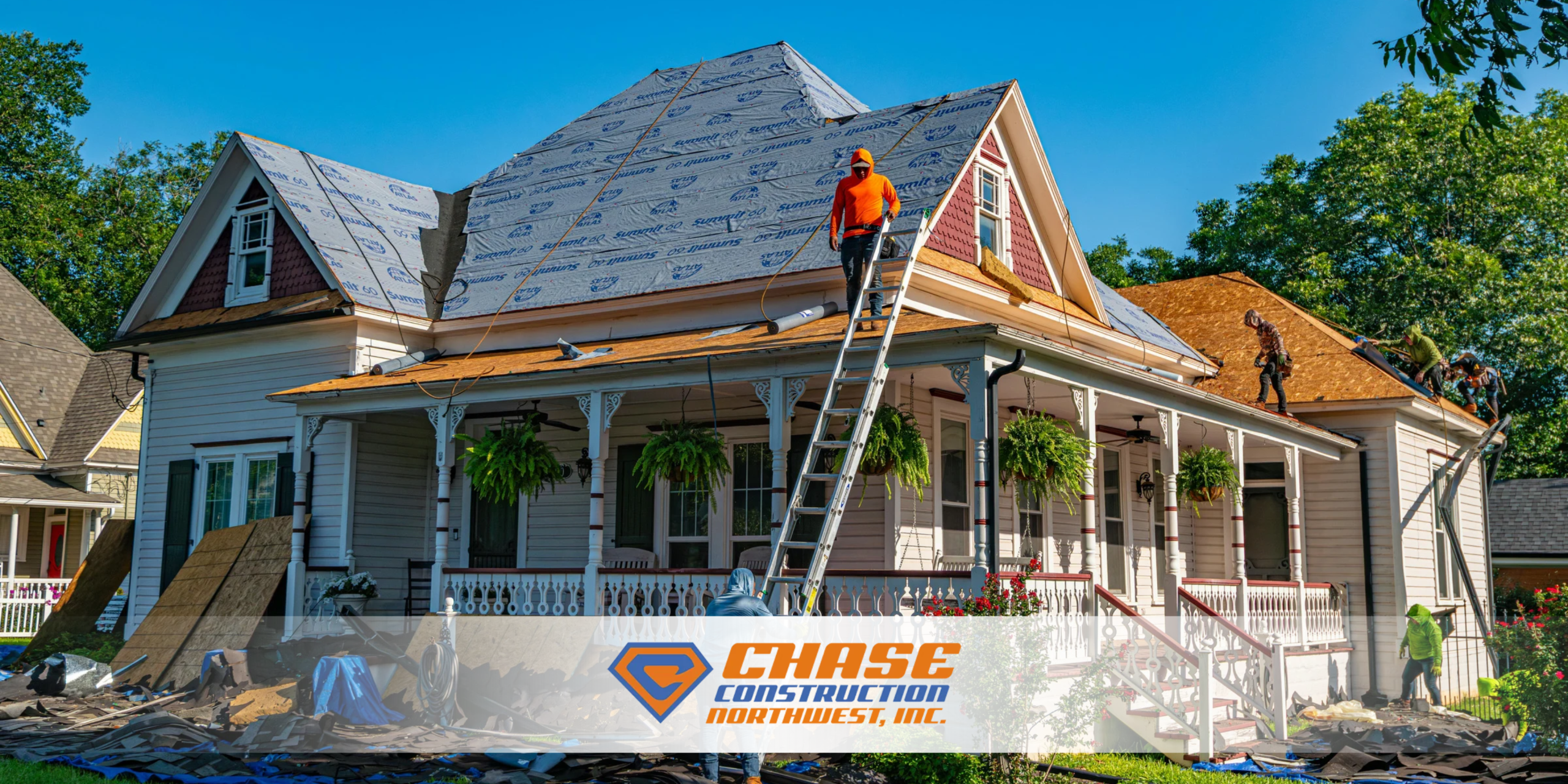
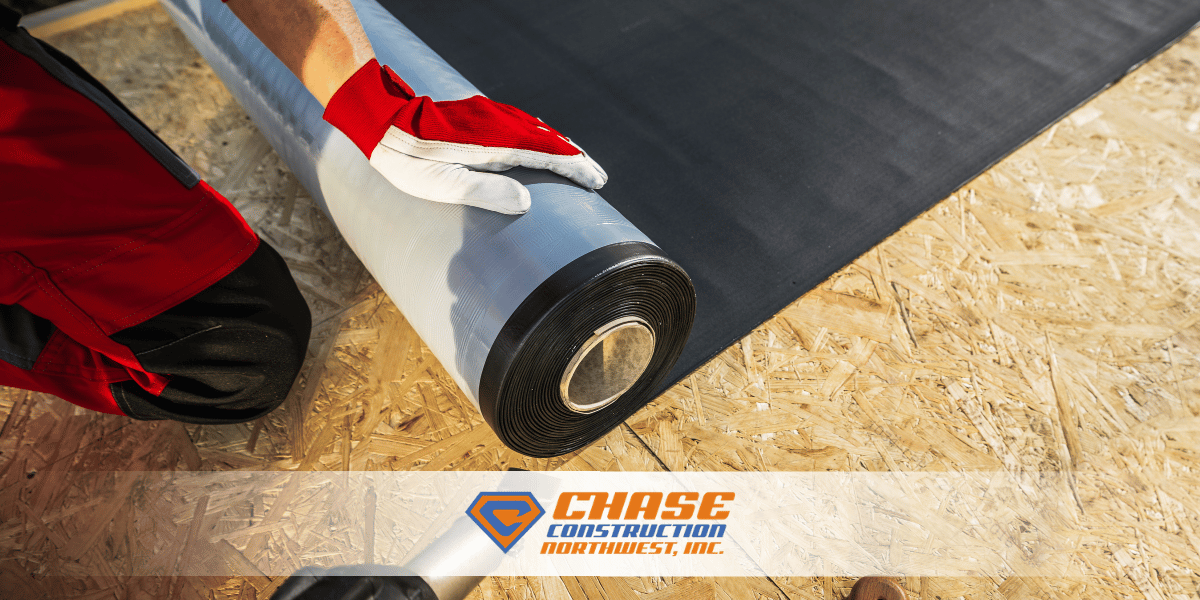
- Underlayment and shingles: Protective layers that help prevent moisture from entering the building.
At Chase Construction North West, understanding these structural details is important when evaluating roofing conditions, planning repairs, or considering a replacement.
Hip Roof vs. Gable Roof: Understanding the Main Differences
When comparing common roof types, the gable roof and hip roof are two popular choices for residential properties. Although both provide reliable protection, their designs and structural characteristics are different.
A gable roof features two sloping sides that meet at a central ridge, leaving triangular vertical walls at each end. This creates a straightforward design that is often easier to construct and provides useful attic space.
A hip roof, on the other hand, slopes on all four sides. Its enclosed shape creates a more balanced appearance and eliminates exposed gable ends.
Some important differences include:
- Wind resistance: Hipped roofs generally perform well in windy conditions because their sloping sides help distribute wind pressure across the structure.
- Architectural appearance: Gable roofs create a traditional triangular profile, while hip roofs offer a more symmetrical and uniform appearance.
- Construction requirements: A hip roofing system usually requires additional framing and more complicated installation.
- Attic space: Gable designs can provide more usable attic space, depending on the building’s dimensions.
Neither option is automatically better for every property. The right choice depends on architectural preferences, weather conditions, structural requirements, and budget.
Different Types of Hip Roofing Designs for Every Home
One reason this roofing style remains popular is its versatility. Several variations are available, allowing homeowners and designers to select a structure that complements the property’s architecture.
Some common types include:
- Simple hip roof: This traditional design features four sloping sides that meet at a central ridge. It works well for square or rectangular buildings.
- Pyramid hip roof: All four sections slope upward and meet at a single point. This design is often used on smaller buildings, garages, and standalone structures.
- Cross-hipped roof: This design combines two or more hip roof sections that intersect at right angles. It is suitable for homes with complex floor plans.
- Half-hipped roof: Also called a clipped-gable roof, this style combines elements of gable and hip designs. The upper portion of the gable is replaced with a small sloping section.
- Mansard roof: Although technically a distinct roof style, it incorporates multiple slopes on each side and is sometimes compared with other multi-slope designs.
Each option has different structural and visual characteristics. Chase Construction North West recognizes that selecting an appropriate roofing system requires considering the entire building rather than focusing on appearance alone.
Roofing Design Benefits: Why Hipped Roofs Are Popular
A well-constructed hip roof can offer several practical advantages. Its design supports reliable weather protection while creating an attractive finish for residential architecture.
One major benefit is its performance in high winds. Because all four sections slope downward, there are fewer large vertical surfaces exposed to direct wind pressure. This can help reduce wind-related stress compared with some alternative designs. However, actual performance depends on proper engineering, secure connections, installation quality, and local building requirements.
Another advantage is effective rainwater runoff. The sloping surfaces encourage rainwater to move toward the gutters instead of collecting on the roof. This can help reduce standing water and support better moisture management.
Additional benefits include:
- Balanced appearance: The symmetrical structure complements many architectural styles.
- Improved weather protection: Sloping sections help direct rain and snow toward the edges.
- Structural stability: Properly designed hip roofs can distribute loads across multiple supporting sections.
- Flexible architectural options: They can be adapted to different residential layouts.
- Reduced exposed wall area: The design eliminates traditional vertical gable ends.
At Chase Construction North West, we understand that a good roofing design should combine appearance, durability, and dependable protection.
How Hipped Roofs Manage Rainwater and Weather Conditions
Weather protection is one of the most important considerations when choosing a residential roof. Rain, wind, snow, and seasonal temperature changes can gradually affect roofing materials and structural components.
The sloping surfaces of a hip roof help direct rainwater toward the gutters. When the drainage system is properly installed and maintained, this supports efficient rainwater runoff and reduces the likelihood of water collecting in vulnerable areas.
The design can also be beneficial in regions that experience strong winds. Since the roof slopes on all sides, wind can move across its surfaces more smoothly than it might around certain vertical roof sections.
However, no roofing style is completely weatherproof. Poor flashing, damaged shingles, blocked gutters, and inadequate ventilation can create problems regardless of the design.
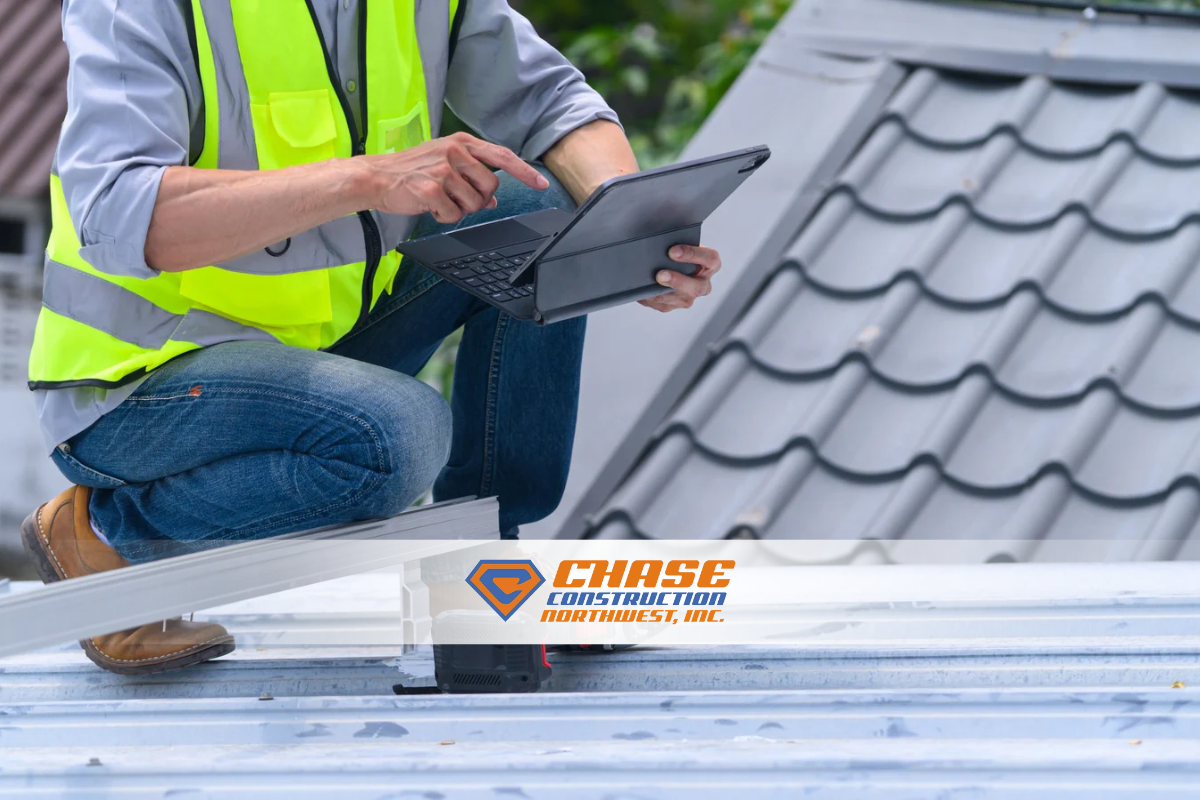
Regular inspections are particularly important around roof valleys, hips, ridge connections, and flashing points. These areas should be checked for loose materials, moisture intrusion, and signs of deterioration.
Is a Hip Roof Suitable for Residential and Commercial Buildings?
Hip roofing is commonly associated with residential properties, but its applications are not limited to houses. Depending on the building’s size, structural requirements, and architectural plans, this design can also be incorporated into certain commercial buildings.
For residential properties, hip roofs work particularly well with square, rectangular, and more complex floor plans. They can complement traditional, contemporary, and transitional architectural styles.
For commercial applications, the decision requires additional consideration. Building dimensions, drainage capacity, structural loading, maintenance access, and intended use all influence whether this roofing system is suitable.
A flat roof may be more practical for certain commercial buildings because it can accommodate rooftop equipment and provide accessible service areas. However, flat roofs also require carefully designed drainage and waterproofing systems.
The best solution depends on the building’s purpose and long-term requirements. Chase Construction North West encourages property owners to evaluate functionality alongside architectural appearance before selecting a roofing system.
Maintenance, Roof Repair, and Replacement Considerations
Like any other roofing structure, a hip roof needs regular maintenance to remain dependable. Although its sloping design offers several advantages, individual components can still experience wear and damage over time.
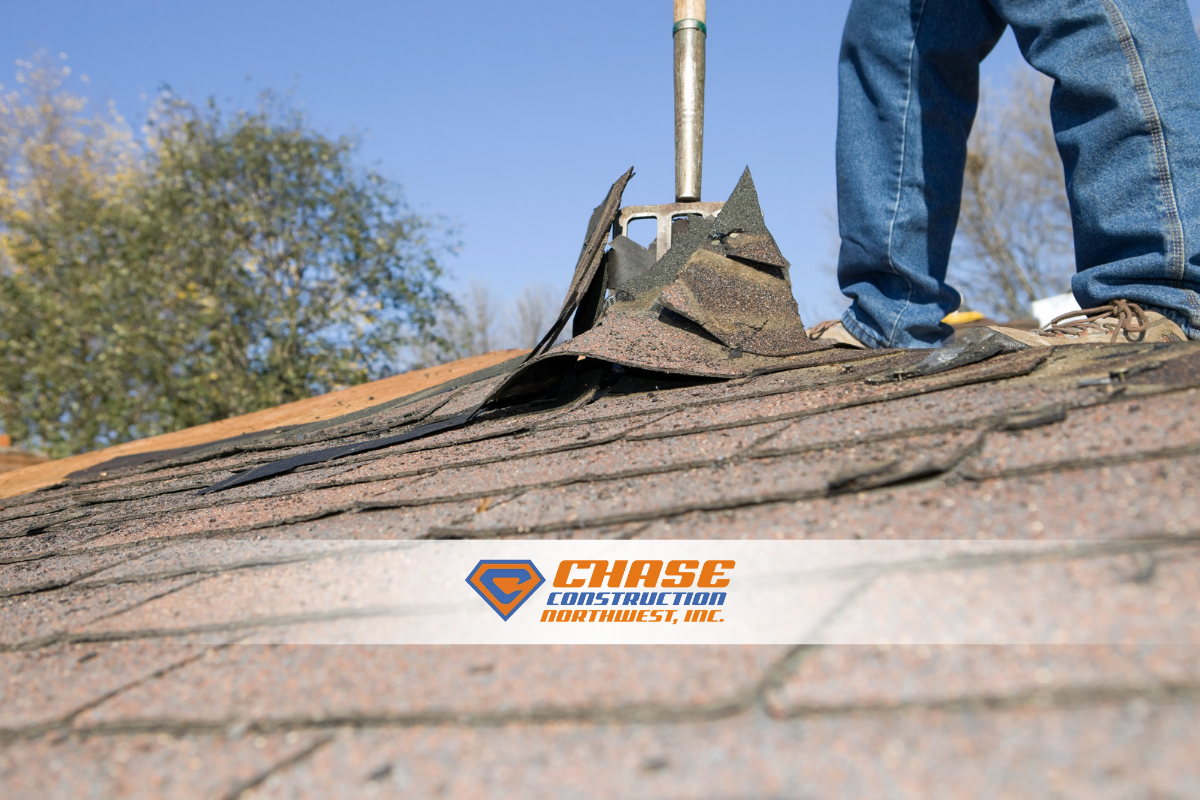
Shingles may loosen, flashing can deteriorate, and gutters may become blocked by leaves and debris. If these problems are ignored, moisture can eventually reach the underlying structure.
Property owners should pay attention to several warning signs:
- Missing, cracked, or curling roofing materials.
- Water stains on ceilings or interior walls.
- Damaged flashing around roof intersections.
- Sagging areas or visible structural changes.
- Granule buildup in gutters and drainage outlets.
- Signs of moisture or poor attic ventilation.
Minor issues may only require targeted roof repair. However, extensive material deterioration, recurring leaks, or widespread structural damage may indicate that a complete replacement deserves consideration.
The age of the existing roofing system, the condition of the decking, and the extent of previous repairs should all influence the decision.
Chase Construction North West understands the importance of addressing roofing concerns before they develop into more expensive problems. Professional assessments can help determine the most appropriate solution for the property’s condition.
Choosing the Right Roofing System for Your Property
Selecting a roof involves more than choosing a style that looks attractive. It requires evaluating the property’s architecture, environmental conditions, construction budget, and long-term maintenance expectations.
Before deciding on hip roofing, consider the slope, available attic space, drainage requirements, and structural support. It is also important to understand that this design may involve higher installation costs than simpler roof types because it requires additional framing, materials, and labor.
Homeowners should also compare it with other options, including gable and flat roofing systems. Each design has its own advantages, and the right choice depends on the specific building.
Working with experienced roofing professionals can make this process easier. Chase Construction North West emphasizes quality workmanship, careful planning, and practical roofing solutions that support the property’s needs.
A properly planned and installed roofing system can contribute to the building’s protection, appearance, and long-term value.
Contact Us
The right roof is an investment in your property’s future. A hipped roof can provide an attractive architectural appearance, dependable weather protection, and valuable structural advantages when designed and installed correctly.
Whether you are considering a new roofing design, need professional advice, or are exploring repair and replacement options, making an informed decision is essential. Chase Construction North West is committed to helping property owners understand their roofing needs and pursue quality solutions.
Don’t leave your property’s protection to chance. Contact Chase Construction North West today to discuss your roofing project and take the next step toward a dependable roofing solution.
Meta Description: Discover what a hipped roof is, explore its design, benefits, common types, and weather resistance, and learn whether this roofing style is right for your home.