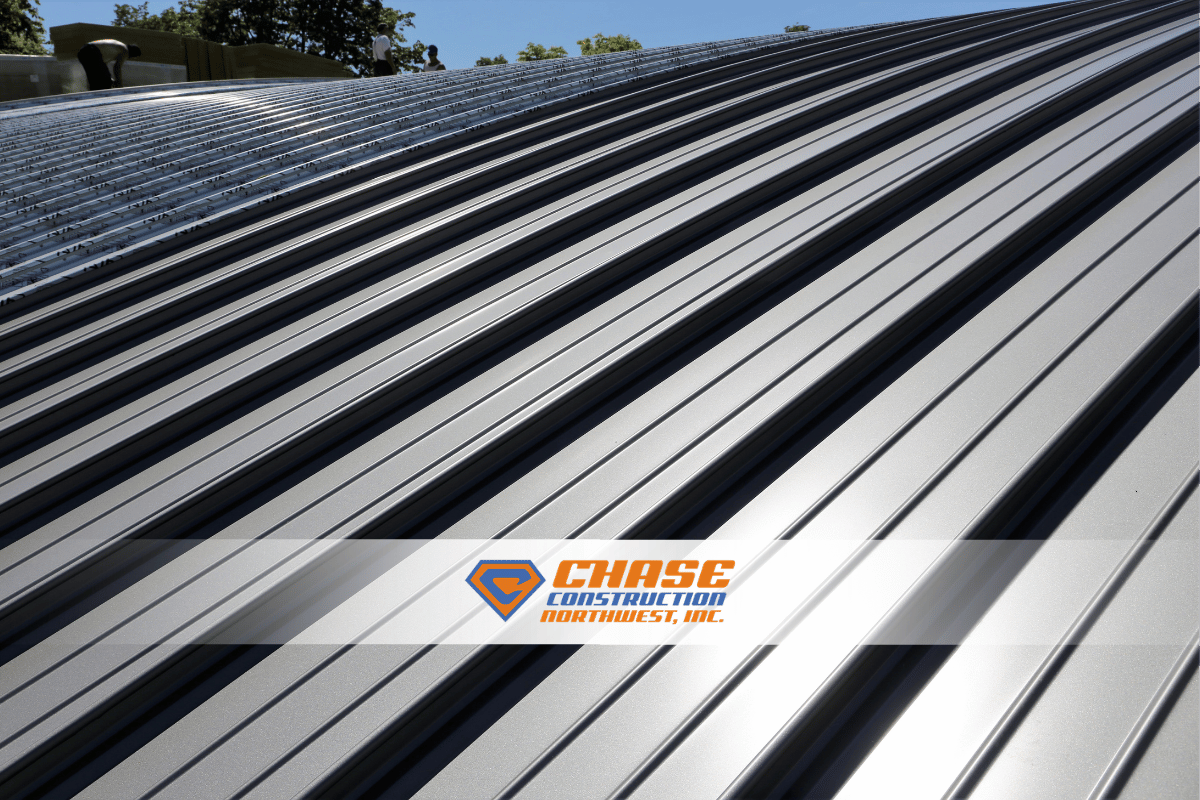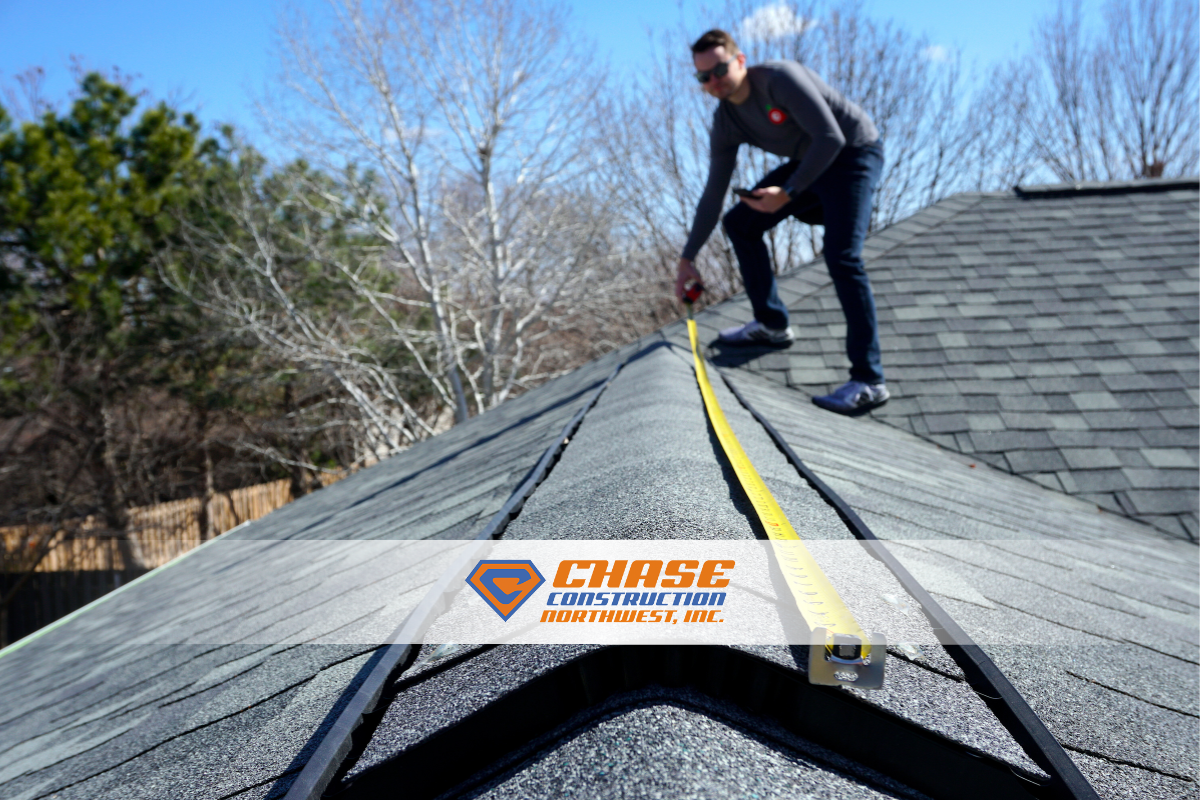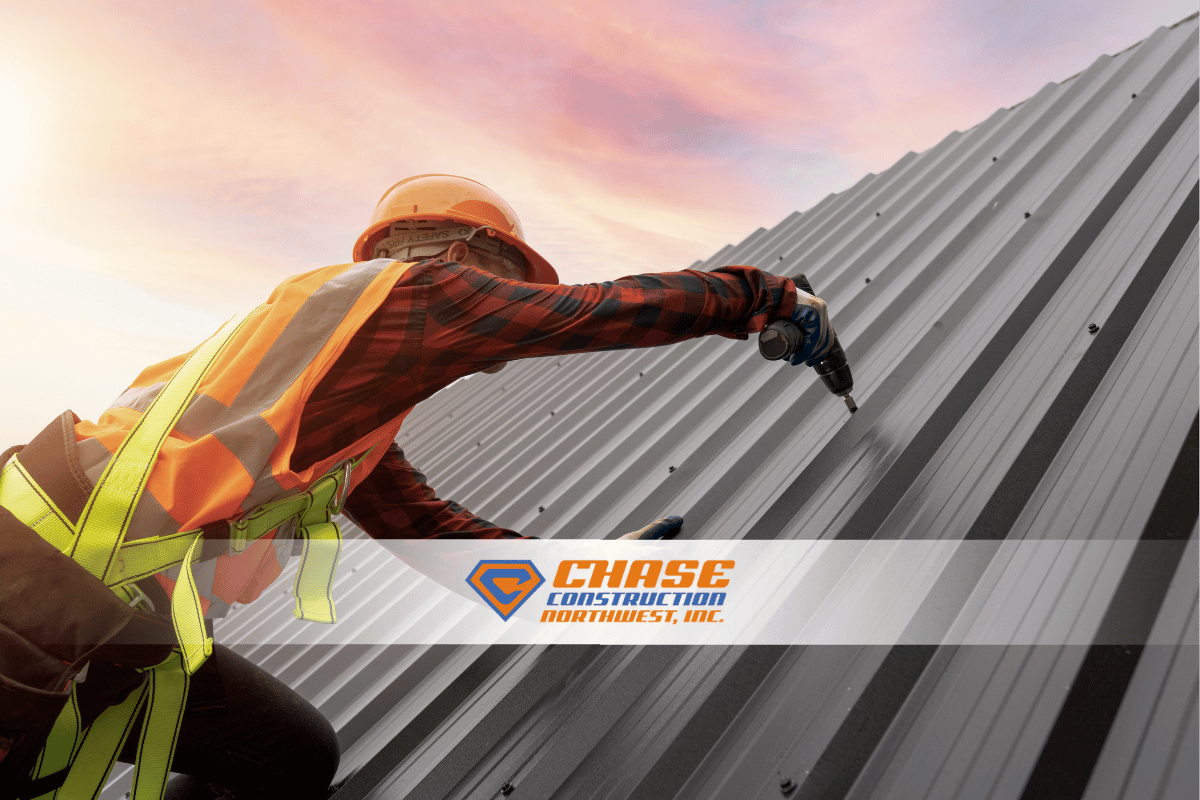
For homeowners looking for a durable roofing upgrade, metal roofing can be an excellent option. It offers strong weather resistance, a long service life, and a clean, modern appearance that works well for many homes in the Pacific Northwest.
One of the most common questions homeowners ask is: Can metal roofing go over shingles?
In some cases, building codes may allow it. However, that does not always mean it is the best choice for your home. At Chase Construction Northwest, the recommendation is clear: for the best long-term results, metal roofing should usually be installed after removing the old roof and inspecting the original roof deck.
As Chase from Chase Construction Northwest explains:
“I do not recommend putting metal roofing over shingles. The most important thing when installing a metal roof is the substrate — what’s underneath the metal.”
That substrate matters more than many homeowners realize.
Can Metal Roofing Go Over Shingles?
Technically, metal roofing can sometimes be installed over existing shingles if the roof is structurally sound, there is only one layer of shingles, local building codes allow it, and proper underlayment and ventilation are used.
However, Chase Construction Northwest generally does not recommend this approach.
Why? Because metal roofing is less forgiving than some other roofing materials. Any uneven areas beneath the panels can affect the finished appearance and long-term performance of the roof.
Chase explains:
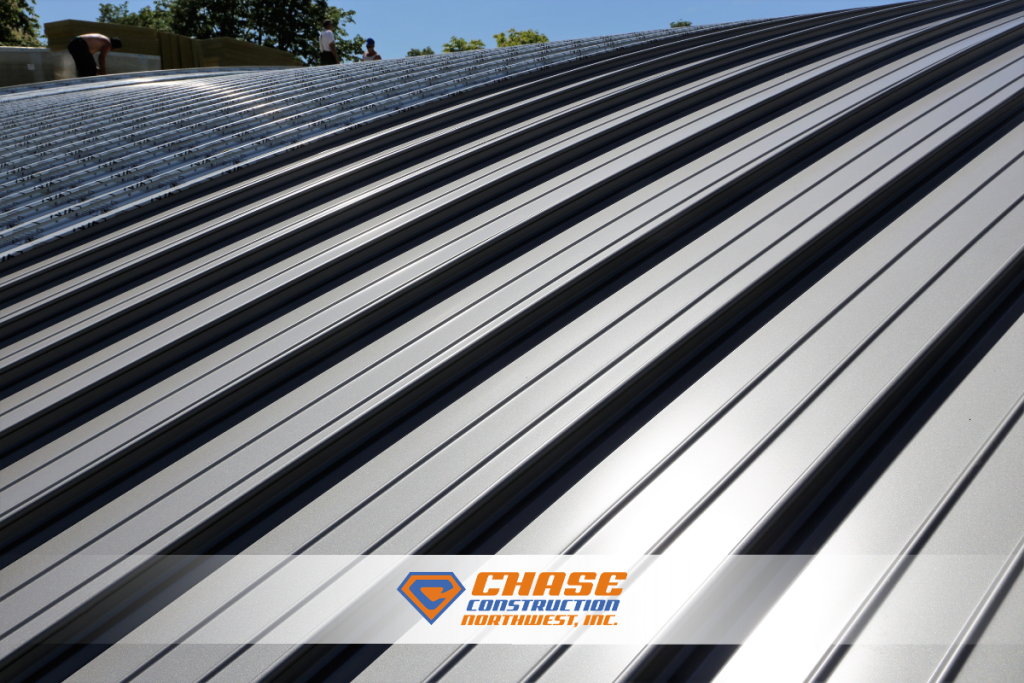
“Any type of imperfections in the substrate that’s underneath metal will show on the metal. There’ll be divots, there’ll be wrinkles in the metal that you’ll be able to see from the ground.”
In other words, if the shingles underneath are curled, raised, uneven, damaged, or hiding roof deck issues, those problems can transfer through to the new metal roof. The result may be an unattractive installation, reduced performance, or future repair concerns.
Why the Roof Substrate Is So Important
When installing a metal roof, the surface underneath the panels must be clean, solid, smooth, and properly prepared. This base is known as the substrate.
The substrate may include the roof decking, underlayment, battens, or other materials used beneath the metal panels. If this surface is uneven, soft, damaged, or improperly prepared, it can cause visible defects in the final roof.
As Chase notes:
“There’s a very high attention to detail to any type of nail or any type of dip in the substrate that could affect how the metal roofing comes out at the finished product.”
This is especially important with metal roofing because the panels can reflect irregularities. A small issue underneath the roof can become much more noticeable once the metal is installed.
That is why professional inspection and preparation are essential.
Why Removing the Old Shingles Is Usually Better
Although some homeowners consider installing metal roofing over shingles to save time or reduce labor costs, a full tear-off is often the smarter long-term investment.
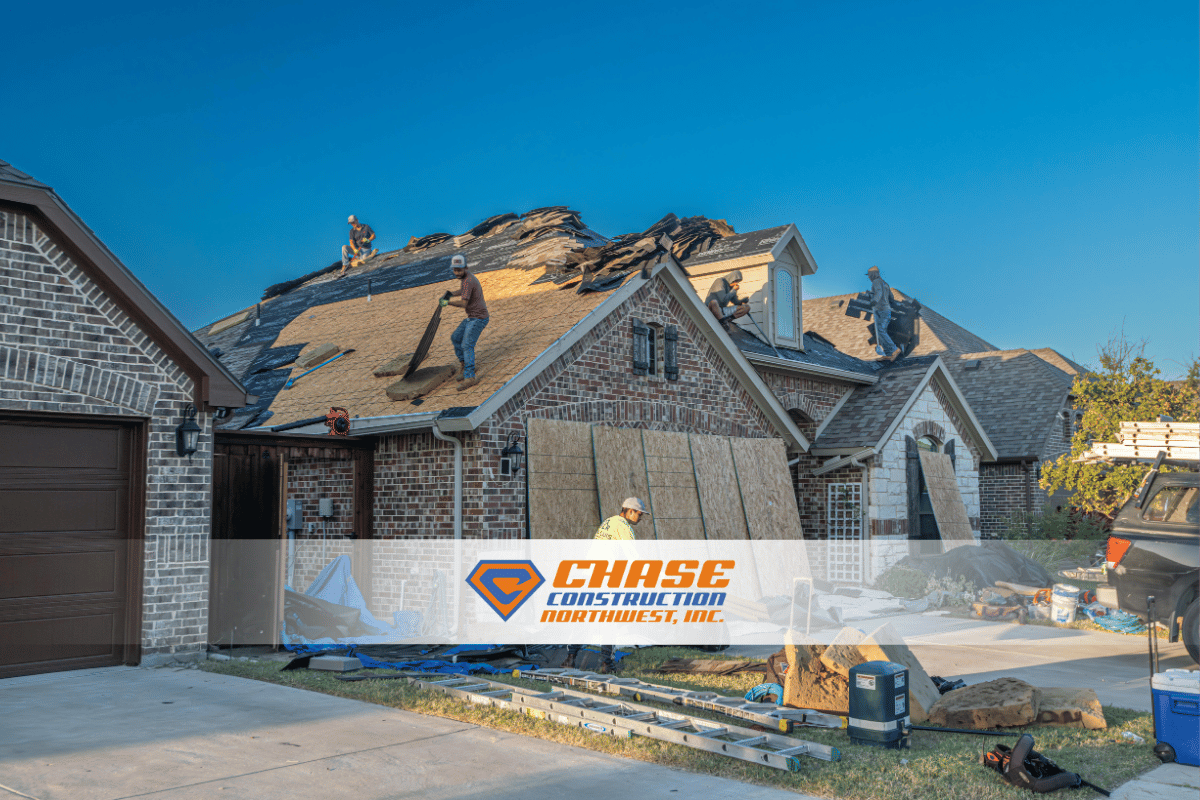
Chase Construction Northwest recommends removing the existing roof so the crew can get down to the original roof deck.
As Chase explains:
“Our recommendation — and this is for any type of roofing — is not going over an old roof, but to totally strip off the old roof and get down to the original substrate.”
Removing the old shingles allows the roofing team to inspect the deck directly. This makes it possible to identify and correct issues such as:
- Rotten or soft decking
- Trapped moisture
- Sagging areas
- Poor ventilation
- Damaged flashing
- Nail pops
- Uneven surfaces
- Hidden leaks
- Structural concerns
If these problems are covered with a new roof, they do not go away. In many cases, they become harder and more expensive to repair later.
A full tear-off gives the new metal roof the clean, solid foundation it needs to perform properly.
Preparing for a Metal Roof Installation
The best way to install a metal roof is to begin with a professional roof evaluation. Chase Construction Northwest inspects the existing roofing system, checks the condition of the roof deck, and determines the best installation approach for the home.
Preparation may include:
- Removing old shingles and underlayment
- Inspecting the roof decking
- Replacing damaged wood
- Correcting uneven areas
- Checking attic ventilation
- Installing proper underlayment
- Inspecting and replacing flashing as needed
- Preparing valleys, ridges, eaves, and penetrations
- Making sure the metal roofing system meets manufacturer specifications
This process helps ensure the roof is not only attractive, but also durable and properly installed.
Underlayment, Ventilation, and Flashing Matter
A metal roof is more than just visible panels. A complete metal roofing system includes underlayment, flashing, fasteners, trim, ventilation, and waterproofing details.
Proper underlayment helps protect the roof deck from moisture. Ventilation helps reduce trapped heat and moisture in the attic. Flashing protects vulnerable areas such as chimneys, skylights, walls, valleys, and roof edges.
These details are critical in the Pacific Northwest, where roofs are regularly exposed to rain, wind, moss growth, and seasonal moisture.
If a metal roof is installed over shingles without properly addressing these details, the roof may be more likely to experience problems later.
Choosing the Right Metal Roofing System
Not every metal roofing system is right for every home. The best choice depends on the structure, roof slope, design, budget, and exposure to weather.
Important factors include:
- Panel style
- Metal thickness
- Coating type
- Fastener system
- Roof pitch
- Wind exposure
- Tree coverage
- Home architecture
- Manufacturer requirements
Some homes may be excellent candidates for standing seam metal roofing. Others may be better suited for a different metal panel profile or even a high-quality composition roofing system.
As Chase says:
“Every roof, every home is different.”
That is why an honest professional assessment is so valuable.
Why Professional Installation Is Essential
Metal roofing requires a high level of skill and attention to detail. The panels expand and contract with temperature changes, so fastener placement, panel alignment, and flashing details must be handled correctly.
Improper installation can lead to:
- Leaks
- Oil canning or visible waviness
- Loose panels
- Poor drainage
- Noise issues
- Premature wear
- Warranty problems
- Unattractive finished appearance
Chase Construction Northwest follows proper installation practices and manufacturer specifications to help maximize the life and performance of every roof they install.
This attention to detail is one of the things that sets the company apart.
As Chase explains:
“This is what sets Chase Construction Northwest apart from other roofing companies.”
When Metal Roofing Over Shingles Is Not Recommended
Metal roofing over shingles is especially not recommended when:
- There are multiple layers of shingles
- The shingles are curled, buckled, or uneven
- The roof deck is soft or damaged
- There are signs of leaks or trapped moisture
- Ventilation is poor
- Flashing is failing
- The roof has sagging areas
- The home needs structural repairs
- The manufacturer does not approve the installation method
In these situations, installing metal over shingles can hide serious issues instead of solving them.
A full tear-off may cost more upfront, but it provides a better foundation and helps protect the long-term value of the roof.
Get an Honest Roof Assessment
If you are asking, “Can metal roofing go over shingles?” the best next step is to have your roof inspected by an experienced professional.
Chase Construction Northwest can evaluate your current roof, explain your options, and recommend the right solution for your home. Whether that means metal roofing, composition roofing, a full tear-off, or another approach, their team provides honest guidance based on the condition of your roof.
As Chase says:
“Give us a call. We could come out, take a look at your roof, give you our honest assessment of what should be done — whether that’s metal, composition. Every roof, every home is different.”
Trust Chase Construction Northwest
Metal roofing can be a strong investment, but only when it is installed correctly. While installing metal roofing over shingles may be possible in some situations, Chase Construction Northwest generally recommends removing the old roof and starting with the original substrate for the best results.
This approach allows the team to inspect the roof deck, correct hidden problems, and install the new roofing system with the care and precision it deserves.
If you are considering a new roof, contact Chase Construction Northwest for a professional assessment.
Call 253-445-8950 or visit chasenw.com to fill out the online form.