Choosing a roof for a commercial property means balancing weather protection, energy performance, maintenance, and budget. In the Pacific Northwest, frequent rain makes drainage and installation quality especially important.
TPO is a popular option for buildings with flat or low slope roofs. It offers a practical combination of durability, reflective performance, and installation flexibility. However, its success depends on more than the surface you see.
For property owners considering commercial roofing, Chase Construction Northwest is a starting point for discussing whether this material fits their building. Understanding the basics will help you ask better questions before making that investment.
What Is TPO Roofing and How Does It Work?
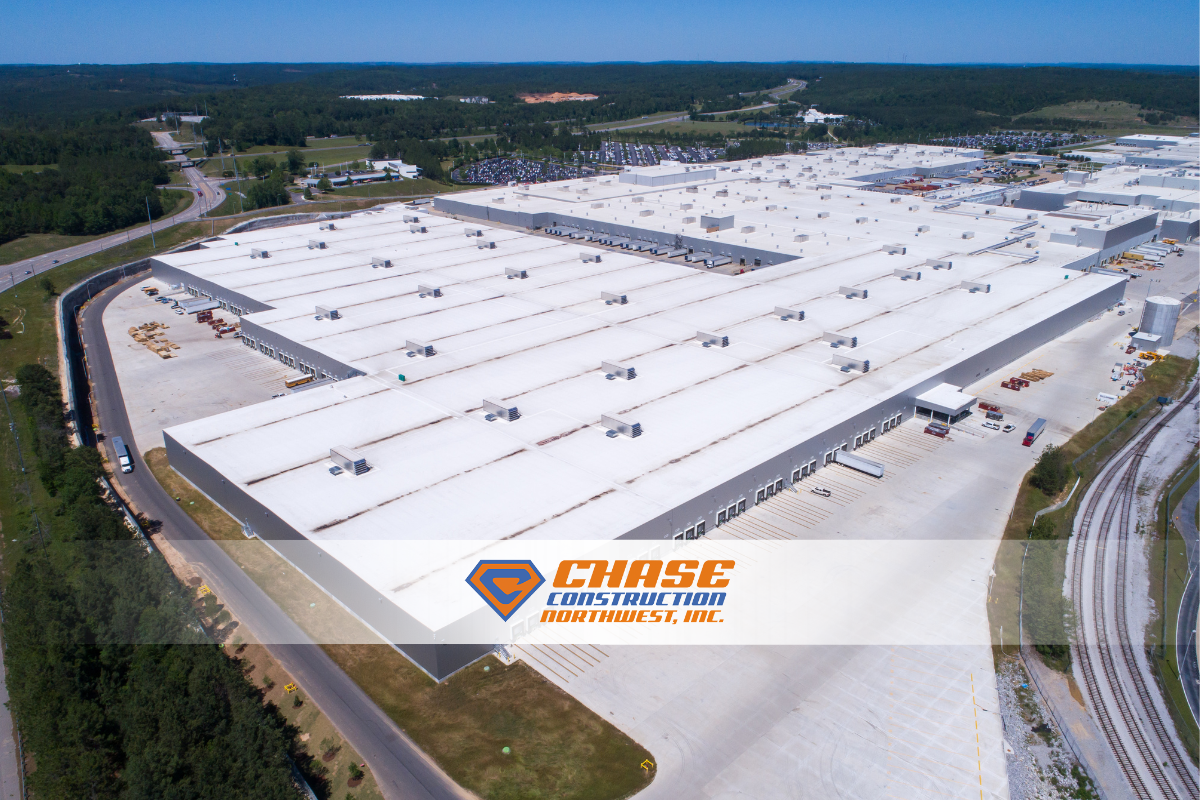
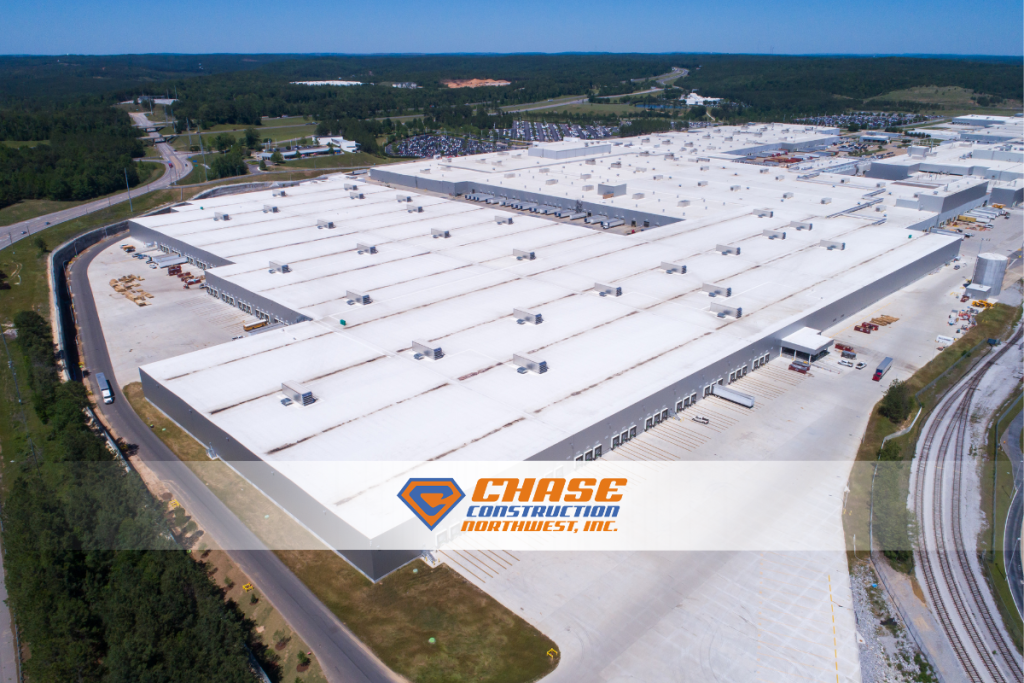
What is TPO roofing, exactly? TPO stands for thermoplastic polyolefin. It is a flexible, single ply roofing membrane commonly used on commercial properties, including warehouses, offices, and retail buildings.
The material typically combines polypropylene and ethylene propylene rubber, with reinforcement incorporated into the finished sheet. Although its name sounds technical, its purpose is straightforward: create a continuous protective surface that keeps water outside.
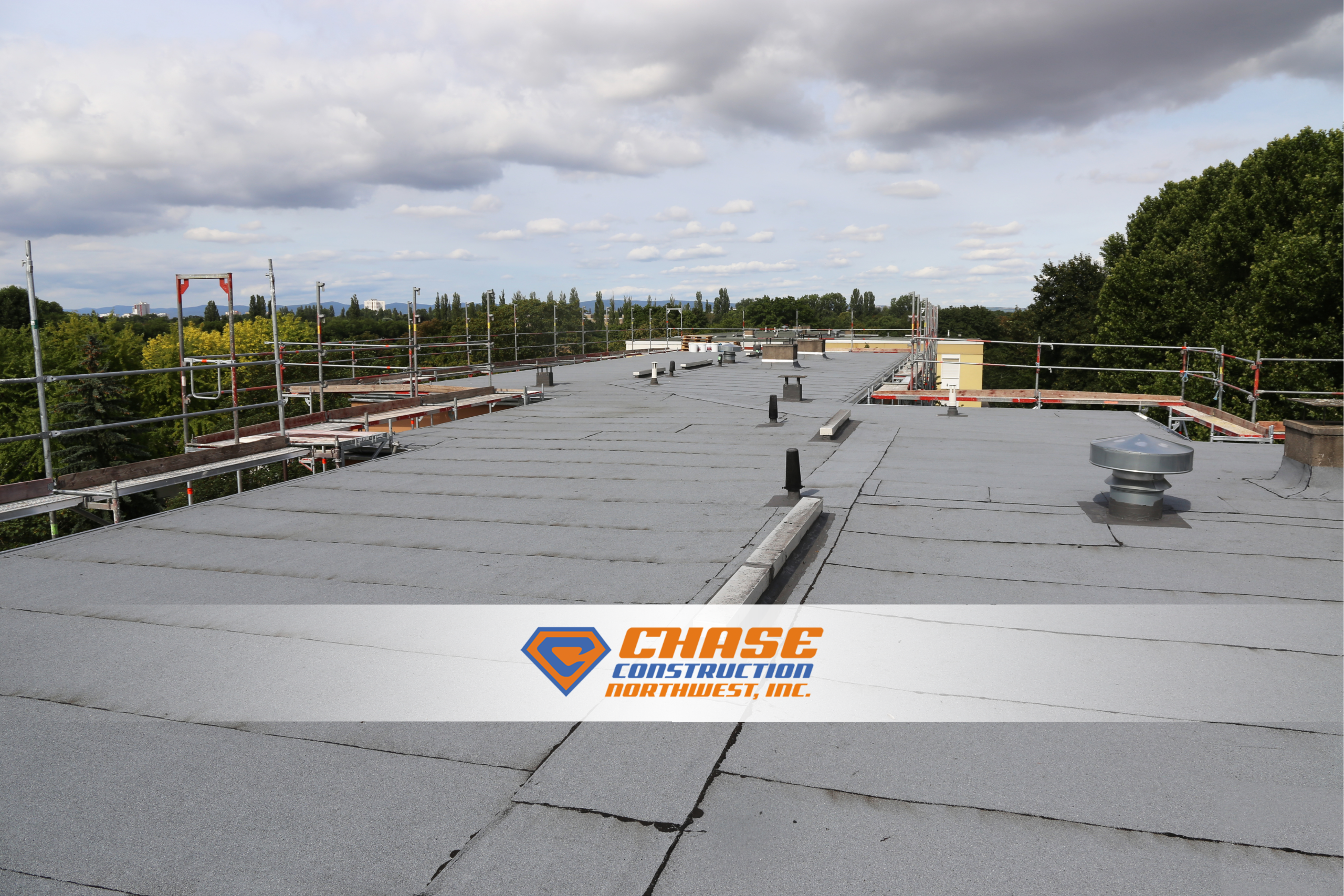
During installation, sheets are secured over an appropriate roof assembly. The seams are joined using specialized hot air welding equipment. When properly completed, these welded connections help create a watertight barrier.
Unlike shingles, which shed water through overlapping layers on steeper slopes, TPO works as part of an assembly designed for low slope conditions. These surfaces still need positive drainage. A flat roof should never be treated as a place where standing water is acceptable indefinitely.
How TPO Roofing Systems Are Installed
A reliable installation begins below the membrane. The existing deck must be evaluated for structural condition, moisture, and suitability. Insulation, attachment methods, and drainage design also influence how the completed assembly performs.
Depending on the project, a TPO membrane may be mechanically attached, adhered, or installed using another approved method. The right approach depends on wind exposure, building conditions, and the manufacturer’s requirements.
Although described as single ply, these roofing systems contain multiple components. Insulation helps manage heat transfer, while a cover board may provide added protection and a suitable installation surface. Flashing protects vulnerable transitions around walls, drains, curbs, and penetrations.
This is where workmanship becomes especially important. A quality sheet cannot compensate for poorly welded seams or incomplete flashing details. Compatible materials and careful execution matter throughout the installation.
When discussing a project with Chase Construction Northwest, ask how the proposed assembly addresses drainage, attachment, and existing moisture. Those details provide a better basis for comparing proposals than price alone.
Why Property Owners Consider TPO Roofs
One reason TPO roofs attract attention is their reflective surface. White TPO can reflect sunlight and reduce solar heat gain compared with darker surfaces under similar conditions.
That does not guarantee lower utility bills for every property. Energy performance depends on climate, insulation levels, heating and cooling demands, and the condition of the existing assembly. In the Pacific Northwest, evaluating the whole building is more useful than relying on reflectivity alone.
TPO also offers installation versatility and can be competitively priced among commercial roofing options. Its heat welded seams are another advantage when installed and inspected correctly.
Still, no product is ideal for every setting. Regular foot traffic, rooftop equipment, and exposure to grease or chemicals can change the recommendation. PVC, for example, may deserve consideration where certain chemical exposures are a concern, subject to the specific product’s compatibility.
A qualified contractor should explain these tradeoffs rather than recommend the same solution for every commercial property.
What Affects the Life of TPO Membranes?
Many TPO installations are expected to provide approximately 20 to 30 years of service, but that is a general planning range, not a promise. Actual performance varies with product quality, membrane thickness, installation, exposure, and maintenance.
Thicker membranes may offer additional resistance to punctures, but thickness alone does not determine quality. The complete assembly and its suitability for the site remain essential.
Routine inspections help identify blocked drains, loose flashing, seam concerns, and physical damage before small problems become expensive leaks. Inspections are particularly useful after significant storms or work by other trades.
Maintenance should also include keeping debris away from drainage points and limiting unnecessary rooftop traffic. Designated walkways may be appropriate around frequently serviced equipment.
Manufacturer warranties vary. Review coverage, exclusions, maintenance obligations, and installation requirements carefully. A warranty is not a substitute for a sound design or ongoing care.
Discuss Your Project With Chase Construction Northwest
The cost of TPO roofing depends on much more than square footage. Tear off requirements, insulation upgrades, access, drainage corrections, and perimeter details can all affect the estimate.
Whether an existing roof can remain in place also requires evaluation. Moisture conditions, local code requirements, and the condition of the underlying assembly help determine whether recovery or replacement makes sense.
Rather than choosing from a generic online price, contact Chase Construction Northwest to discuss your commercial roofing needs. Ask about an assessment, suitable options, and the scope of work recommended for your property.
The best next step is a project specific conversation. With a clear understanding of your building, budget, and priorities, you can evaluate a TPO proposal based on long term performance rather than surface appearance alone.