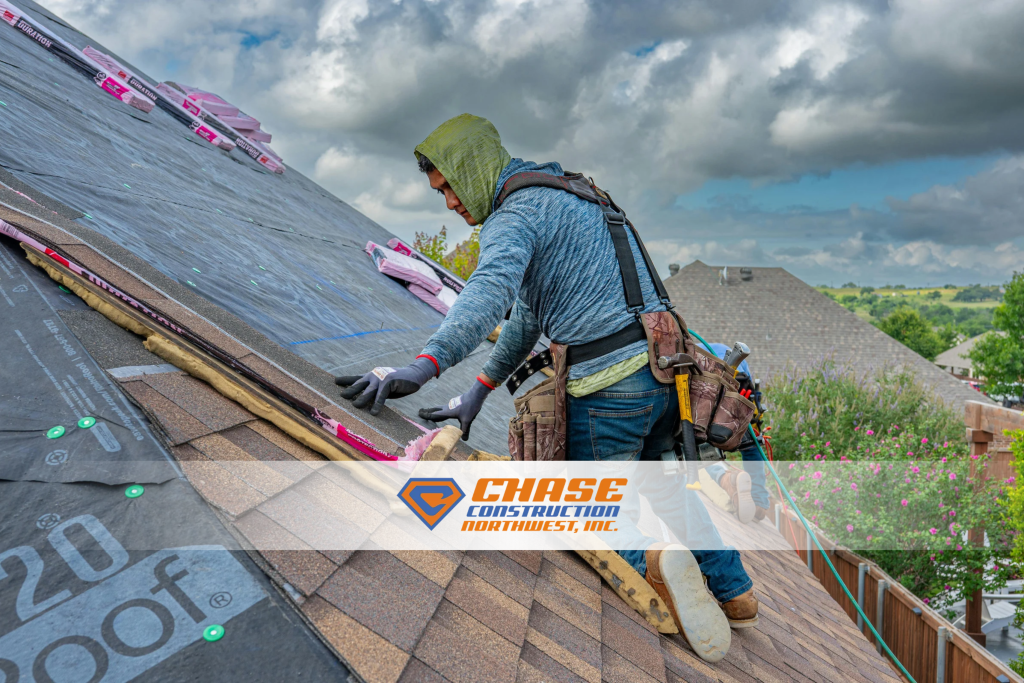
A clean roof does more than improve your home’s appearance. It helps protect your roofing materials, supports proper drainage, and makes it easier to spot potential problems before they become expensive repairs. Over time, roof shingles can collect dirt, algae, moss, and dark stains that make even a well-maintained home look neglected. Fortunately, the right cleaning methods can restore your roof’s appearance without causing unnecessary damage.
Learning how to clean roof shingles safely starts with understanding your roofing material, choosing an appropriate cleaning solution, and avoiding methods that wear away the protective surface. Whether you have asphalt shingles or another common roofing material, a careful approach can help preserve your investment.
In this guide, Chase Construction North West explains practical roof cleaning techniques, important safety precautions, and maintenance tips to help homeowners keep their roofs in excellent condition.
How to Clean Roof Shingles Without Causing Damage
The safest way to clean roof shingles is to use a gentle method designed for your specific roofing material. Strong water pressure, aggressive scrubbing, and unsuitable cleaning products can loosen shingle granules, damage protective coatings, and shorten the roof’s lifespan.
Before beginning any cleaning project, inspect the roof from the ground if possible. Look for dark discoloration, green growth, clogged gutters, and visible signs of deterioration. If shingles appear cracked, curled, loose, or brittle, address those concerns before considering a cleaning project.
Chase Construction North West recommends treating roof cleaning as part of a broader maintenance plan rather than focusing solely on appearance. A roof that looks dirty may need a gentle wash, but it could also have underlying drainage or moisture problems that require professional attention.
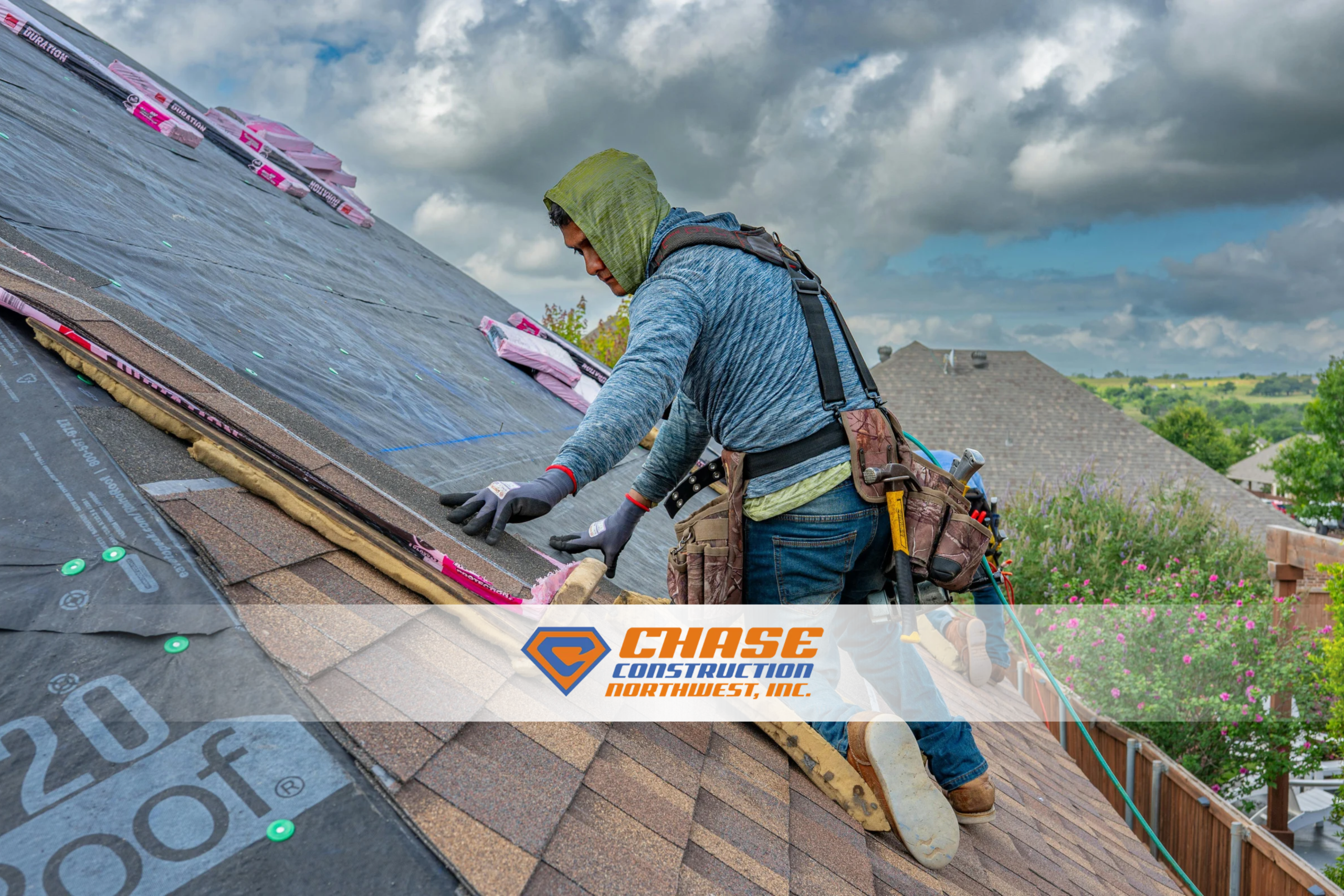
Homeowners should also consider the roof’s age, slope, material, and accessibility. Steep roofs and slippery surfaces can be especially dangerous, making professional service the more practical choice.
Why Roof Shingles Develop Black Stains, Algae, and Moss
Dark stains are a common concern for homeowners, particularly on asphalt shingles. In many cases, these marks are caused by algae that thrive in moist environments. Shaded areas and roof sections that receive limited sunlight may be especially susceptible to algae growth.
Moss develops differently. It can establish itself where moisture remains on the roof, particularly around overhanging trees or areas with poor sunlight exposure. As moss grows, it can retain water and lift the edges of shingles, potentially allowing moisture to reach vulnerable parts of the roofing system.
Other causes of discoloration include accumulated dust, airborne pollutants, fallen leaves, and debris from nearby trees. These materials can collect gradually, leaving the roof looking uneven or neglected.
Identifying the cause of the problem is an important first step. Algae stains, for example, require a different approach from heavy moss growth. Simply spraying every affected area with water may not provide lasting results.
Chase Construction North West encourages homeowners to address recurring roof discoloration early. Regular inspections can help identify moisture-related concerns before they contribute to more serious roofing damage.
Preparing Your Roof for Safe Shingles Cleaning
Preparation is essential for an effective cleaning project. Before choosing a cleaning solution, understand the condition of your roof and determine whether the work can be completed safely.
Avoid climbing onto a wet, steep, or fragile roof. Even experienced homeowners can lose their footing when dealing with algae, moss, and cleaning products. If the roof is difficult to access, hiring a qualified roofing professional is the safest option.
For homeowners planning ground-level preparation, several steps can help protect the property and organize the work:
- Check the manufacturer’s care recommendations for your particular roof shingles.
- Remove loose debris from accessible gutters using appropriate safety precautions.
- Protect nearby plants and landscaping from runoff with suitable coverings and controlled rinsing.
- Choose a cleaning product specifically labeled for the roofing material and the type of growth being treated.
- Check the weather forecast and avoid working during rain, strong winds, or extreme heat.
It is also important to identify damaged shingles before cleaning begins. Water and cleaning products may enter vulnerable areas if flashing, roof edges, or shingles are already compromised.
A little preparation can prevent avoidable damage and help ensure that the cleaning process addresses the actual problem rather than just its visible symptoms.
Choosing the Right Cleaning Solution for Asphalt Shingles
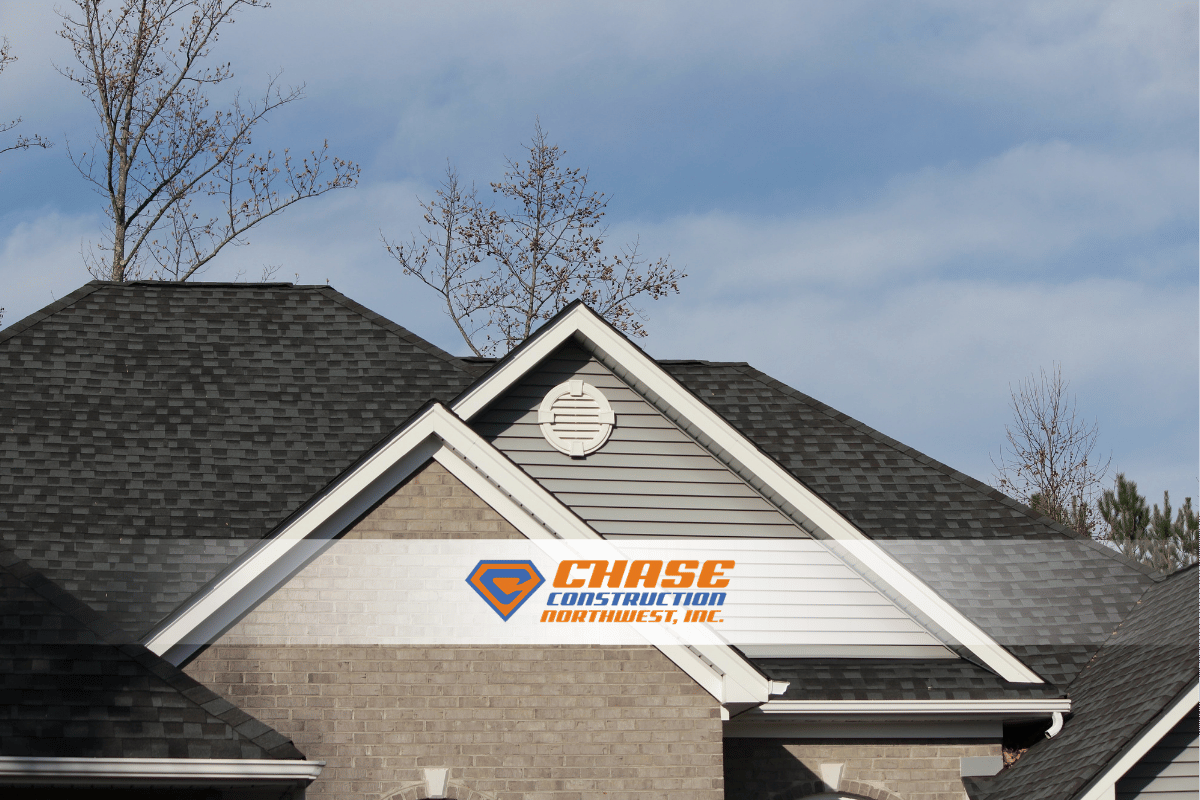
Asphalt shingles are widely used because they offer a practical balance of durability, appearance, and cost. However, their protective mineral granules can be damaged by harsh cleaning methods, so choosing an appropriate cleaning solution is especially important.
Use a product that is specifically approved for asphalt shingle cleaning and follow the manufacturer’s instructions regarding dilution, application, contact time, and rinsing. Some roof-safe treatments are designed to control algae and similar growth without requiring aggressive scrubbing.
Avoid experimenting with household chemicals or mixing cleaning products. Certain combinations can produce dangerous fumes or damage roofing materials, metal fixtures, gutters, and surrounding plants. Bleach-based products, where permitted by the shingle manufacturer and product instructions, require careful handling and appropriate protection for nearby landscaping.
Never assume that a stronger chemical concentration will produce better results. Excessive strength can increase the risk of damage without improving the outcome.
Chase Construction North West emphasizes the importance of selecting cleaning methods that protect the roof’s long-term performance. If you are unsure which product is suitable, consult the shingle manufacturer or a roofing professional before applying anything to the surface.
Soft Washing | A Gentle Method for Cleaning Shingles
Soft washing is often preferred for treating algae and other organic growth on compatible roofing materials. Instead of relying on forceful water pressure, this method uses an appropriate cleaning treatment to address the growth while minimizing mechanical stress on the shingles.
The general process involves applying a manufacturer-approved treatment at the recommended concentration, allowing it to work for the specified period, and following the product’s directions for rinsing or natural weathering. The precise method depends on the product, the roof material, and the condition of the surface.
One major advantage of soft washing is that it avoids the unnecessary abrasion associated with vigorous scrubbing. This matters for asphalt shingles because their surface granules help protect the underlying material from weather exposure.
However, soft washing is not automatically risk-free. Incorrect chemical application, uncontrolled runoff, excessive pressure, or poor technique can still cause problems. Moss may also require specialized treatment and time to release naturally rather than immediate physical removal.
Pressure washing should generally be avoided on asphalt shingles unless the manufacturer specifically permits a particular method. High-pressure water can strip granules, force water beneath shingles, and damage vulnerable roof components.
For homeowners who want reliable results without risking their roofing system, Chase Construction North West can help assess the roof’s condition and determine whether professional cleaning or another maintenance solution is appropriate.
Removing Moss and Treating Stubborn Roof Stains
Moss and persistent black stains often require patience. While algae discoloration may respond to a suitable treatment, thick moss can be more difficult to manage because its roots and growth patterns may affect the shingle surface.
Avoid pulling moss off forcefully or scraping it with metal tools. These actions can tear shingles, dislodge protective granules, and create openings where water may penetrate. Aggressive brushing can cause similar damage.
Instead, use a treatment approved for the roofing material and follow the instructions for controlling moss. Depending on the severity of the growth, the moss may gradually dry out and loosen over time. A professional can determine whether additional removal is needed and how to complete it safely.
Persistent black stains should also be evaluated before repeated cleaning attempts. If algae is responsible, the appropriate treatment may improve the appearance gradually. If the discoloration comes from deteriorating materials, rust, or other roofing problems, cleaning alone may not solve it.
Chase Construction North West understands that maintaining a roof involves more than removing visible marks. The goal is to improve the roof’s condition while preserving its protective qualities and avoiding unnecessary repairs.
Common Roof Cleaning Mistakes Homeowners Should Avoid
Even a well-intentioned cleaning project can create problems when the wrong techniques are used. Understanding common mistakes can help homeowners protect their roofing investment.
High-pressure washing is one of the biggest concerns for asphalt shingles. The force of the water can remove surface granules and push moisture beneath the roofing material. Likewise, abrasive brushes and sharp tools can damage the shingle surface while attempting to remove stubborn growth.
Using unapproved chemicals is another risk. Some products may discolor roofing materials, corrode metal components, harm plants, or contaminate runoff. Always read the label and follow the manufacturer’s safety guidance.
Homeowners should also avoid cleaning without checking for existing damage. Loose shingles, deteriorated flashing, and leaking areas should not be ignored simply because the roof needs washing.
Finally, do not assume that every stain requires immediate removal. Some discoloration is cosmetic, while other changes can signal a problem that deserves closer inspection. Repeated cleaning without identifying the cause may waste time and increase the risk of damage.
A careful approach prioritizes safety, material compatibility, and the overall condition of the roofing system.
Shingle Maintenance Tips to Keep Your Roof Cleaner Longer
Consistent shingle maintenance can reduce the need for frequent deep cleaning. Although weather and environmental conditions affect how quickly a roof becomes dirty, a few practical habits can help limit moisture buildup and debris accumulation.
Trim overhanging branches where appropriate to improve sunlight exposure and reduce the amount of leaves that land on the roof. Keep gutters and downspouts clear so rainwater can drain properly. Check for areas where debris collects or water appears to remain for extended periods.
Arrange periodic roof inspections, particularly after severe weather or when you notice changes in the roof’s appearance. An inspection can help identify loose shingles, damaged flashing, drainage problems, and early signs of algae or moss growth.
The appropriate inspection schedule depends on the roof’s age, condition, local climate, and manufacturer’s recommendations. Older roofs may need closer attention than recently installed systems.
Remember that cleaning is only one part of roof care. If shingles are brittle, losing granules, or showing signs of widespread deterioration, a repair or replacement assessment may be more beneficial than another cleaning treatment.
Chase Construction North West encourages homeowners to take a proactive approach to roofing care. Addressing small concerns early can help protect your home, reduce avoidable maintenance costs, and support the long-term performance of your roof.
When to Call a Professional Roofing Company
DIY roof cleaning is not suitable for every property. Steep slopes, multiple roof levels, fragile shingles, heavy moss growth, and difficult access can make the work dangerous. In these situations, professional assistance can reduce safety risks and help prevent accidental damage.
A roofing professional can assess the type of discoloration, identify vulnerable areas, recommend a suitable cleaning approach, and check whether repairs are needed. This is particularly useful when stains keep returning or when you cannot determine whether the problem is algae, moss, or material deterioration.
Professional assessment is also valuable before cleaning an aging roof. Washing a surface that is already damaged may make existing problems worse, while replacing or repairing affected sections could be the more sensible long-term option.
Chase Construction North West can help homeowners evaluate their roofing needs and make informed decisions about maintenance, cleaning, and repairs. Choosing an appropriate solution for your specific roof is more important than achieving an immediate cosmetic improvement.
Protect Your Roof With the Right Care
A clean roof contributes to curb appeal, but proper maintenance is about much more than appearances. Using compatible cleaning products, avoiding damaging pressure, controlling algae and moss, and scheduling regular inspections can help keep roof shingles in better condition for years to come.
If you are uncertain about how to clean roof shingles or have noticed stubborn stains, moss growth, or signs of deterioration, professional guidance can help you choose the right next step.
Give your roof the attention it deserves before small concerns become costly problems. Contact Chase Construction North West to discuss your roofing needs and explore suitable options for maintaining, protecting, and repairing your roof.