A small strip of metal can make a big difference to the life of your roof. If you have ever wondered what the drip edge on a roof is, you are not alone. Although it may look like a simple piece of flashing along the edges, a drip edge plays an important role in directing water away from vulnerable areas of your home.
A properly installed drip edge helps control runoff, protects the roof structure, and supports the long-term performance of your roofing system. It works alongside shingles, underlayment, gutters, and fascia to create a more reliable barrier against moisture. For homeowners planning a new roof or replacing an aging one, understanding this component can make it easier to recognize quality workmanship.
At Chase Construction North West, we know lasting roofing performance depends on getting even the smallest details right. From edge installation to proper flashing placement, every part of the roof should work together to provide dependable protection.
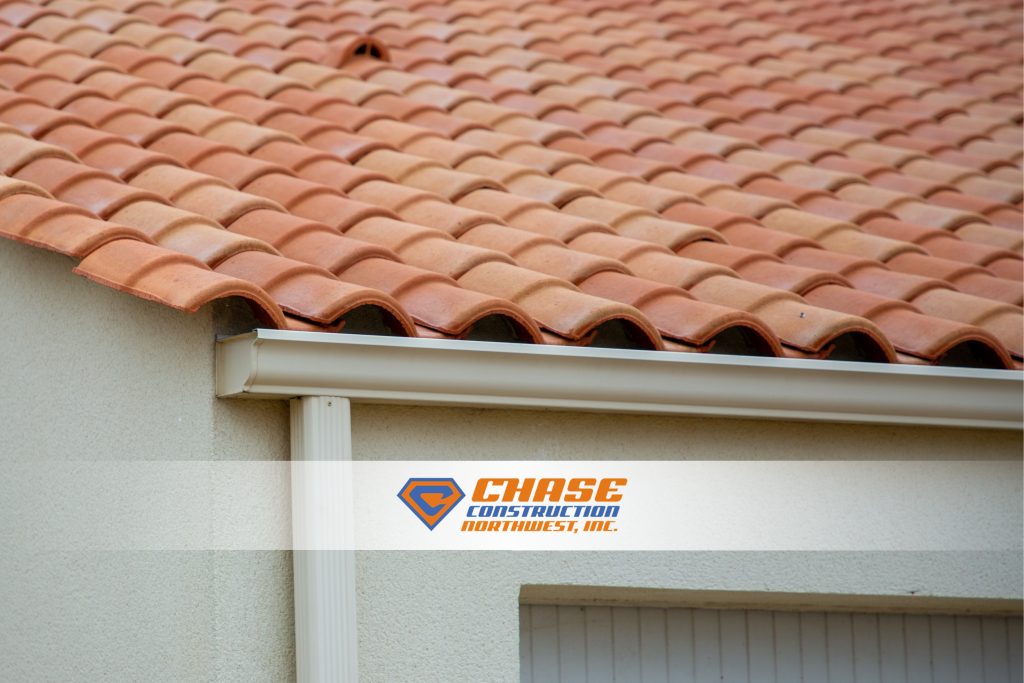
What Is the Drip Edge on a Roof?
A drip edge is a narrow piece of metal flashing installed along the lower edges and, in many roofing systems, the rake edges of a roof. Its primary purpose is to guide water away from the roof’s edges and toward the gutters or away from the structure.
Without appropriate edge flashing, water can collect around the lower edge of the roofing system. Over time, repeated exposure to moisture may affect the fascia, roof decking, and other surrounding materials.
A drip edge design usually includes a flat section that sits beneath or beside the roofing materials and a projecting section that directs water outward. This simple shape supports efficient water shedding while helping prevent water from moving backward underneath roofing components.
For homeowners, the important point is simple: a drip edge is not merely decorative trim. It is a functional part of a properly designed roof.
How Drip Edges Protect Your Roof and Home
Water is one of the biggest challenges a roof faces. Rain can run quickly across shingles before reaching the edges, where it needs to be directed safely away from the structure.
A properly positioned drip edge helps create that controlled path. It protects areas that can otherwise become vulnerable to water intrusion. It can also help prevent moisture from reaching the fascia and roof framing.
Some of the key benefits include:
- Helps direct rainwater toward gutters or away from the structure
- Protects vulnerable roof edges from repeated moisture exposure
- Helps reduce the risk of water reaching fascia and decking
- Supports proper roof drainage and efficient water shedding
- Creates a clean, finished appearance along the roof’s edges
At Chase Construction North West, we consider these details on roofing projects because proper edge treatment can significantly improve a roof’s functionality and durability.
Roof Eaves, Rakes, and the Role of Drip Edge
Not every roof edge performs the same job. The horizontal lower edge is generally known as the roof eave, while the sloping sides are commonly called rakes. Understanding these areas helps explain why drip edge placement matters.
Along the eaves, rainwater naturally moves downward toward the lower edge. The drip edge helps direct that water outward and into the gutter system when gutters are present.
At the rake edge, water may travel down the sloped side of the roof. Drip edge installed in these locations helps protect the exposed roof perimeter and creates a finished transition between the roofing materials and the exterior wall.
The exact installation method can vary based on the roof design, roofing material, and local building codes. This is one reason professional installation is valuable. A roofing professional can determine the right type of edge flashing and how it should work with the rest of the roofing system.
Drip Edge and Asphalt Shingles: How They Work Together
Asphalt shingles are among the most common roofing materials used on homes, and their performance depends on more than the shingles themselves. The underlayment, flashing, ventilation, and edge components all contribute to the complete system.
When installing asphalt shingles, the drip edge must be positioned correctly so water can move off the roof without finding an unwanted path beneath the roofing materials. The relationship between the drip edge and shingles can depend on whether the component is installed at the eaves, rakes, or both.
Poor planning may leave gaps, create unnecessary moisture exposure, or disrupt how water reaches the gutters. In contrast, carefully installed components help support the entire roof system.
Chase Construction North West approaches roofing as a complete system rather than focusing only on the visible shingles. Proper edge installation, flashing, and other supporting components all matter when the goal is a dependable roof.
Different Types of Drip Edge and Where They Go
Drip edges can come in different shapes, sizes, materials, and finishes. The right type depends on the roofing system and the project’s specific requirements.
Common materials include aluminum, galvanized steel, and other corrosion-resistant metals. Different profiles may also be designed for particular installation conditions.
The most important consideration is not simply selecting an attractive finish. The drip edge should match the roof design and be installed to support proper drainage.
A roofing professional may consider factors such as:
- Roof pitch and configuration
- Existing gutters and fascia
- Roofing material
- Local building codes
- Exposure to weather
- Condition of the roof deck and edges
For commercial roofing, edge requirements can be different from those for a residential home. Larger structures may have additional design considerations involving wind resistance, drainage, and membrane roofing systems.
How Drip Edge Installation Works
Installing a drip edge involves more than cutting metal and attaching it along the roof perimeter. The placement must work with the other layers of the roofing assembly.
During a roof replacement, an installer may first inspect the roof deck and existing edges. Repaired or replaced materials may be needed before installing new components.
At the eaves, the drip edge is positioned to direct water outward. At the rakes, installation may follow a different sequence depending on the roofing system. Fasteners should secure the material properly without compromising the surrounding roofing layers.
The installer must also make appropriate cuts around corners and transitions. These details matter because poorly cut or overlapping pieces can create weak points where water may enter.
Chase Construction North West pays close attention to these installation details because a roof should not only look complete at the end of the project. It should also be prepared to handle rain, wind, and seasonal weather over time.
When Should You Replace a Roof Drip Edge?
A drip edge can last for many years, but it may eventually become damaged, corroded, bent, or separated from the roofing system. If you notice deterioration around the roof edge, have the area inspected.
Signs that may indicate a problem include visible rust, loose sections, bent metal, staining around the fascia, or water appearing where it should not. However, not every damaged-looking edge means the entire roof needs replacement.
During roof maintenance or replacement, professionals can examine the drip edge along with the shingles, flashing, fascia, gutters, and roof decking. If the existing material is no longer performing properly, replacement can often be incorporated into the roofing work.
The cost of replacing a drip edge depends on factors such as roof size, accessibility, material type, labor requirements, and whether additional repairs are necessary. Addressing a small issue early may help prevent more extensive moisture-related repairs later.
Why Proper Roof Edge Installation Matters
Roof edges are easy to overlook because they make up a relatively small portion of the overall structure. However, they face significant runoff and weather exposure.
A properly installed drip edge helps keep water separate from vulnerable structural materials. It can also improve the finished roof’s appearance by creating a neat transition along the perimeter.
Good roofing ultimately depends on how all the individual parts work together. Shingles shed most of the rain, underlayment adds another layer of defense, flashing protects vulnerable transitions, and the drip edge helps manage water at the perimeter.
This attention to detail is especially important when replacing an older roof. If the old installation has edge problems, simply installing new shingles may not address the underlying issue. A complete inspection can reveal where improvements are needed.
For homeowners seeking reliable workmanship, Chase Construction North West focuses on practical roofing solutions tailored to each property’s structure, materials, and needs.
Keep Your Roof Ready for the Next Storm
Understanding what is the drip edge on a roof gives homeowners a better appreciation for one of the less noticeable components of a roofing system. This small piece of edge flashing helps guide water away from vulnerable areas, supports efficient drainage, and protects the roof’s edges and surrounding materials.
Whether you are planning routine maintenance, investigating moisture around the fascia, or considering a complete roof replacement, the drip edge deserves attention. A proper assessment can help determine whether the existing material can remain in place or should be replaced as part of the project.
A strong roof is built from details that work together. Chase Construction North West is ready to help homeowners evaluate their roofing needs and pursue solutions focused on quality, durability, and dependable protection.
Give your roof the attention it deserves before a small edge problem becomes a bigger repair. Contact Chase Construction North West today to discuss your roofing project and take the next step toward a safer, more dependable home.