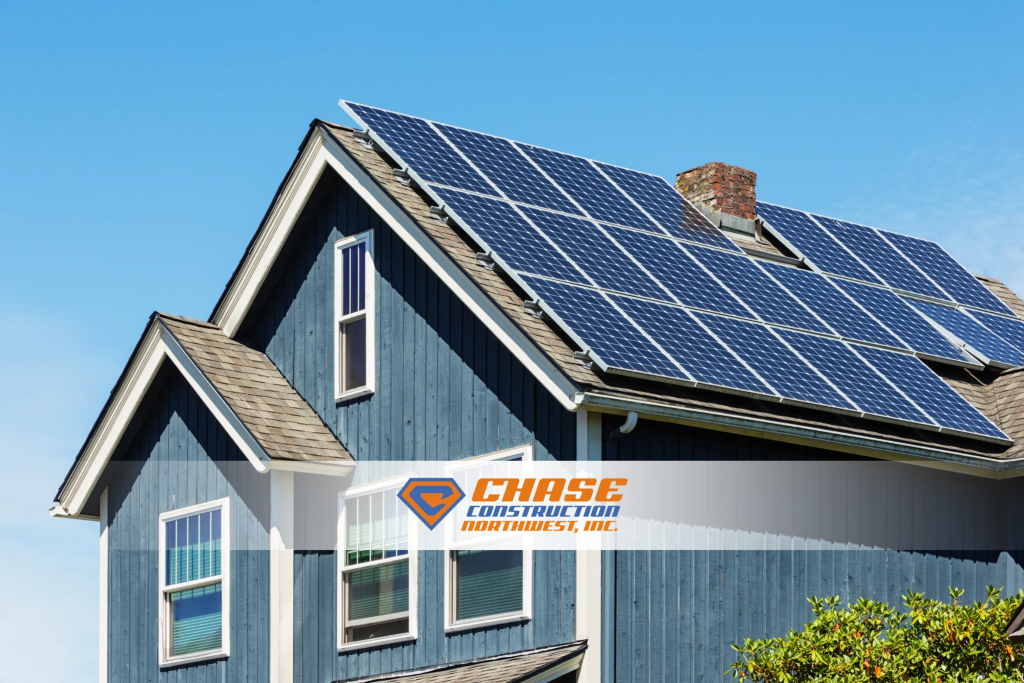
Choosing the right roof for solar panels is like choosing the foundation for a long-term investment. The better your roof supports the system, the easier it can be to enjoy reliable energy production, protect your home, and manage maintenance costs over the years. While many roofing materials can accommodate solar panels, some offer greater durability, easier installation, and better long-term value than others.
If you are planning to switch to solar energy, understanding how your existing roof affects installation is an important first step. The roof’s material, age, slope, condition, and available space all influence how well a solar system will perform. At Chase Construction North West, we understand that a dependable roofing system is essential to protecting your property and supporting future improvements. Knowing your options can help you make an informed decision before investing in solar technology.
How Roofing Material Affects Solar Installation
The roofing material plays an important role in determining installation methods, labor requirements, and long-term maintenance. Some roofing materials make it easier for contractors to secure mounting equipment, while others require specialized hardware or additional precautions.
For example, asphalt shingles generally allow straightforward installation with compatible mounting systems. Metal roofs can also be excellent for solar, particularly when their design allows mounting hardware to attach securely without unnecessary roof penetrations.
Tile roofs can accommodate solar panels, but installers may need specialized attachments and extra care to prevent cracking. Flat roofs often use angled mounting systems to position panels for better sunlight exposure.
When evaluating roofing materials, consider the following factors:
- Durability: Choose a roof that can withstand local weather conditions and support the expected lifespan of your solar installation.
- Installation requirements: Ask whether the roof material needs specialized brackets, flashing, or protective measures.
- Maintenance: Consider how easily the roof can be inspected and repaired after panels are installed.
- Long-term cost: Compare initial installation expenses with future repair, replacement, and maintenance needs.
- Warranty protection: Confirm that the roofing and solar installation methods comply with the applicable manufacturer warranties.
Understanding these details helps homeowners select a roofing system that works well with solar technology instead of creating avoidable complications.
Are Asphalt Shingles a Good Choice for Solar Panels?
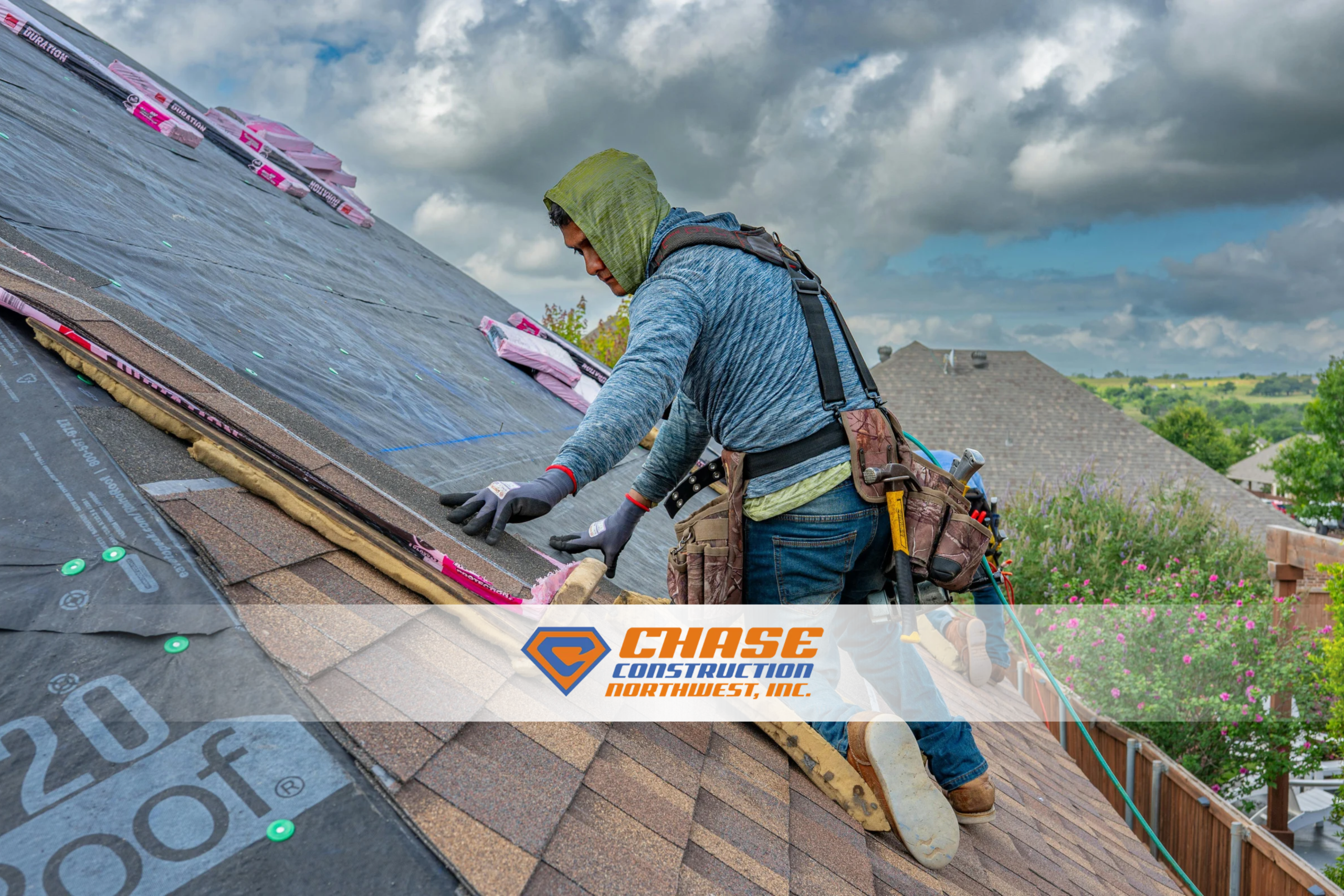
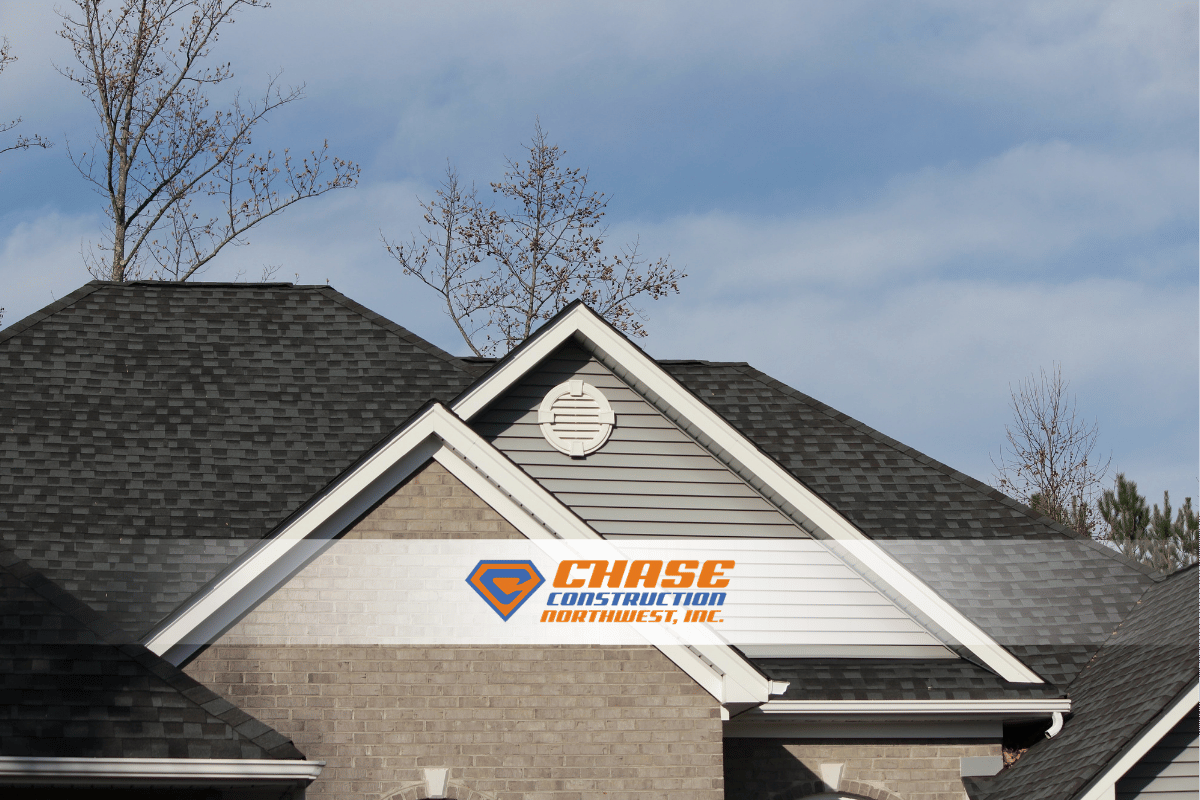
Asphalt shingles are one of the most widely used residential roofing materials, making them a practical option for many homeowners considering solar panels. Their popularity, availability, and compatibility with standard mounting equipment can make installation relatively convenient.
When properly installed, asphalt shingles provide a suitable surface for solar mounting systems. Installers typically attach mounting hardware to the roof structure and use appropriate flashing to help protect against water intrusion.
Another advantage is that roofing contractors are generally familiar with asphalt shingles, making repairs and replacement easier to arrange in many areas. Homeowners can also choose from different shingle styles and quality levels to suit their budgets.
However, the condition of the shingles matters. Aging, cracked, curling, or deteriorating shingles may indicate that the roof needs attention before solar installation begins. Otherwise, you could face the expense of removing and reinstalling panels when the roof eventually needs replacement.
If you are planning a new roofing project, Chase Construction North West can help you consider the roof’s durability and overall condition as part of your planning process.
Why Metal Roofing Works Well With Solar
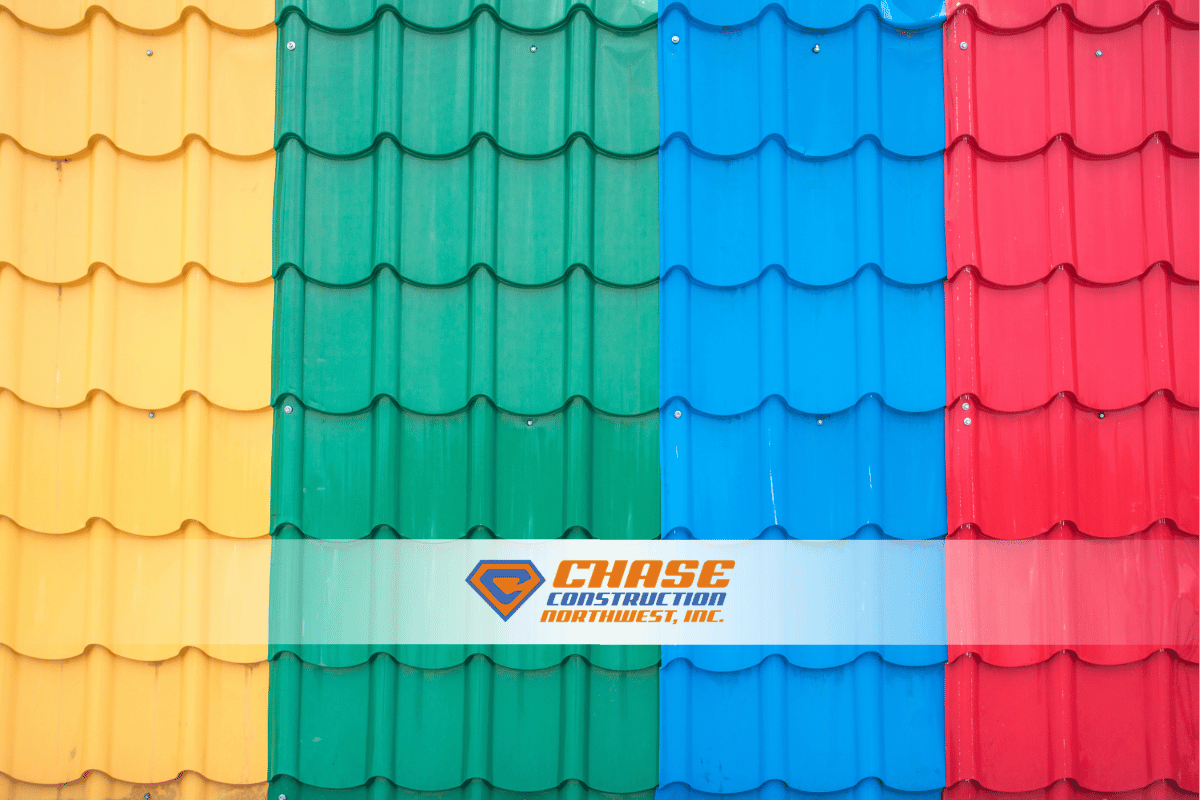
Metal roofing is another strong option for homeowners who want to install solar panels. It is known for its durability, resistance to many common weather-related problems, and potential for a long service life.
Standing-seam metal roofs can be particularly convenient for solar installation. Compatible clamps may attach to the raised seams, reducing or eliminating the need to penetrate the roofing surface. This can help preserve the roof’s weatherproofing when the system is installed correctly.
Other metal roof designs, including corrugated panels, may also support solar installations. However, the mounting method must match the specific panel profile and structural requirements.
Metal roofing can have a higher upfront cost than some alternatives, but its longevity may provide long-term value. Choosing a metal roof with an appropriate coating and finish can also help maintain its appearance and performance over time.
Homeowners should still confirm that the roof structure can support the equipment and that the selected installation method meets manufacturer requirements. Even a durable roof needs proper planning, secure attachments, and careful workmanship.
Can Tile Roofs and Flat Roofs Support Solar Panels?
Tile and flat roofs can both accommodate solar panels, although their installation requirements may differ from those of asphalt or metal roofs.
Clay and concrete tile roofs are valued for their appearance and durability. However, installers must take care when working around tiles because they can crack under pressure. Specialized mounting systems may be needed to secure the panels without compromising the roof’s protective surface.
Flat roofs offer flexibility in panel placement. Installers can use angled racks to position solar panels toward the sun, potentially improving energy production. Depending on the roof design, these systems may be attached to the structure or use engineered ballast systems.
Drainage is particularly important on flat roofs. Mounting equipment should not block drainage paths or allow water to collect around critical areas. The roof’s waterproofing system must also remain protected throughout installation.
For both roof types, a professional assessment can identify structural concerns, mounting limitations, and potential maintenance challenges before work begins.
Roof Age, Condition, and Warranty Considerations
Even the best roofing material may not be suitable for solar panels if the roof is already approaching the end of its useful life. Since solar systems can remain in service for 25 years or longer, homeowners should evaluate the roof’s expected lifespan before installation.
A roof inspection can help identify missing shingles, damaged flashing, moisture problems, weak decking, and other issues that might affect the project. Repairs or replacement may be more practical before panels are installed.
Warranty protection is another important consideration. Roofing manufacturers may impose specific requirements for installation, maintenance, and repairs. Solar equipment manufacturers and installers may also provide separate warranties covering different components of the system.
Before approving the project, ask your contractor to explain how the mounting method affects the roofing warranty. Confirm who will be responsible if a leak develops around a mounting point and whether removing the panels for future roof repairs will involve additional charges.
Chase Construction North West recognizes the importance of sound roofing practices and careful planning when homeowners are preparing for major property improvements.
Solar Roofing, Solar Shingles, and Tesla Solar Roof Options
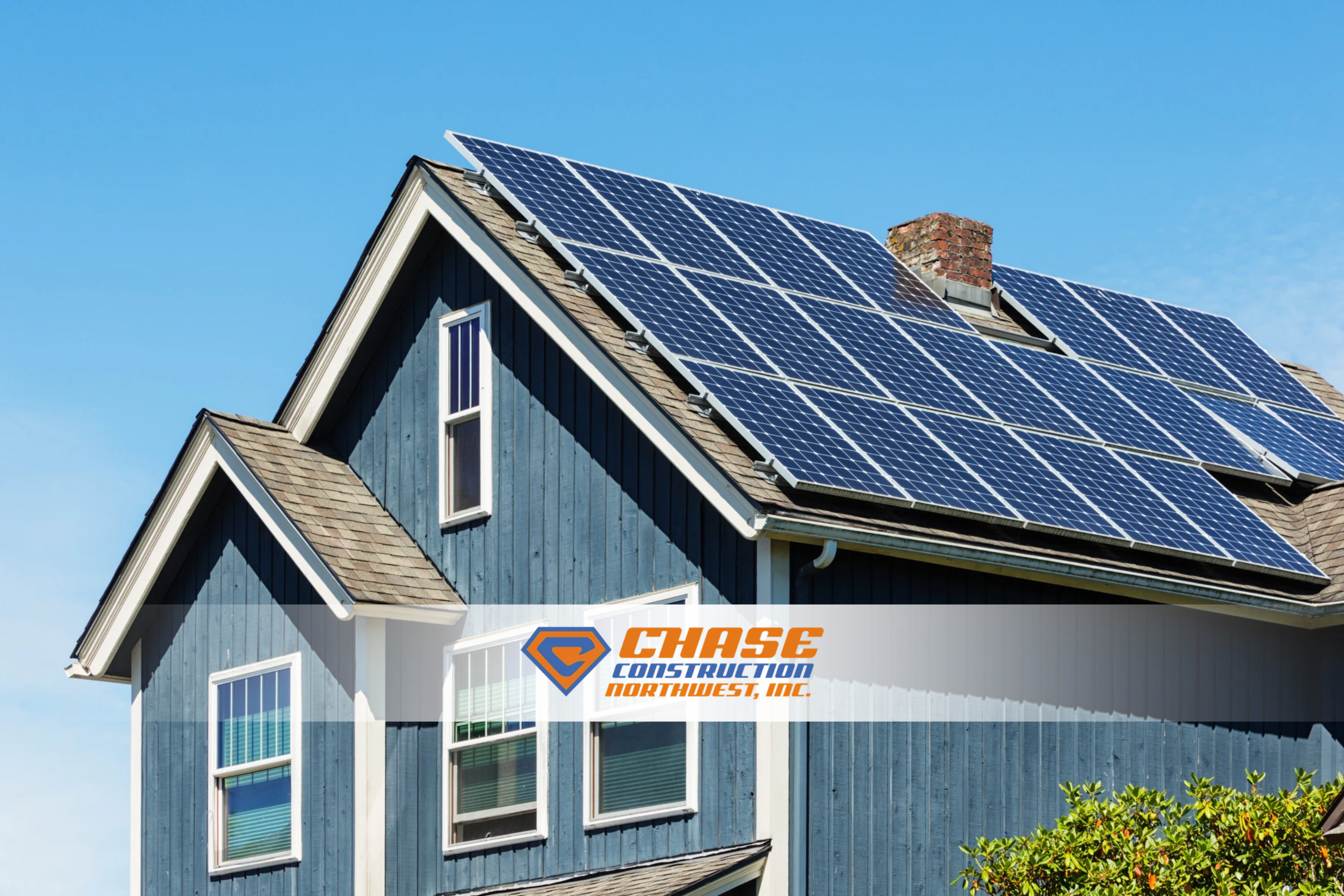
Traditional solar panels are not the only way to generate electricity from your roof. Solar shingles and integrated solar roofing products combine electricity generation with the roof’s exterior appearance.
Products such as the Tesla Solar Roof use roof tiles designed to generate electricity alongside complementary roofing components. Other manufacturers, including GAF, offer solar roofing solutions that integrate photovoltaic technology with particular roofing systems. Product availability, installation requirements, and warranties vary, so homeowners should review the specific product details before making a decision.
Solar shingles may appeal to homeowners who prefer a more integrated appearance instead of conventional panels mounted above the roof. However, these systems can involve different installation processes and costs.
Traditional solar panels may offer a more established installation pathway, depending on the roofing material and local contractor availability. In contrast, a solar roof can combine roof replacement and electricity generation into one project.
When comparing Tesla Solar Roof products with conventional panels, look beyond appearance. Consider total project cost, expected energy output, replacement requirements, warranty coverage, and the availability of qualified installers in your area.
The right choice depends on your budget, design preferences, and long-term plans for the home.
Cost, Energy Efficiency, and Long-Term Value
The total cost of a solar project depends on more than the panels themselves. Roofing repairs, replacement materials, mounting equipment, labor, electrical upgrades, and permitting can all influence the final price.
If your roof needs replacement, completing the roofing work before installing solar panels can help avoid paying to remove and reinstall the system later. However, the financial benefit depends on the roof’s condition and the project’s specific requirements.
Energy efficiency also depends on factors beyond roofing material. Sunlight exposure, shading from trees, panel orientation, system design, and local weather all affect electricity production.
To compare options effectively, request estimates that explain the roofing work, solar equipment, installation costs, expected energy production, and warranty terms. Ask whether the proposed system will meet your household’s energy goals and what maintenance may be required over time.
Be cautious about assuming that the most expensive roofing material will automatically produce the greatest solar savings. A properly designed system on a suitable, well-maintained roof can perform effectively without requiring the most expensive roofing option.
Choose the Right Roof Before Installing Solar Panels
Selecting a roof for solar installation requires balancing durability, compatibility, appearance, and cost. Asphalt shingles can provide a practical and familiar surface, while standing-seam metal roofing may offer excellent mounting advantages. Tile and flat roofs can also work when the correct installation methods are used.
Before making a final decision, assess the roof’s condition, expected service life, structural capacity, and exposure to sunlight. Review the installation requirements and warranty terms for both the roofing material and solar equipment.
It is also worth considering your future plans. If you expect to remain in your home for many years, investing in a durable roof and a well-designed solar system may help improve long-term value. If a roof replacement is already approaching, coordinating the two projects can simplify planning.
The most effective solution is one that protects your home while supporting dependable energy production. Careful preparation today can help prevent unexpected expenses and make your transition to solar energy smoother.
Protect Your Roof and Plan Your Solar Investment With Confidence
A reliable solar system starts with a roof you can trust. Before installing solar panels, make sure your roof is ready to support your investment for years to come. Chase Construction North West is committed to helping property owners make informed roofing decisions through careful planning and a focus on quality workmanship. Contact Chase Construction North West to discuss your roofing needs and take the next step toward a durable roof that fits your home’s future plans.