Why roof age matters
If you are asking when to replace your roof, the honest answer depends on age, condition, installation quality, maintenance, and the weather around your property. For many homes in the Pacific Northwest, the typical timeline is shorter than homeowners expect because moisture, moss, tree cover, and seasonal storms can all speed up wear.
Daniel from Chase Construction Northwest explains it this way: “A common question we get is, how often do I need to replace my roof, and the answer to that is typically between 17 and 22 years.” He also notes that this is when many homeowners are “gonna need to replace it,” especially on an older composition roof.
That range is a helpful starting point, but it is not a final answer for every home. A professional inspection is the best way to understand whether your current system still has useful life left or whether replacement planning should begin.
The average roof and its lifespan
The average roof on a home in our region often lasts around 17 to 22 years when it is a composition system, but roof lifespan can vary widely. A roof that gets regular care, has proper ventilation, and was installed with quality products may last longer. A roof under heavy shade or constant debris may show damage sooner.
In the Northwest, moisture is one of the biggest factors. Wet leaves, moss growth, clogged gutters, and standing debris can trap water against shingles. Over time, that can lead to granule loss, soft spots, leaks, and hidden damage inside the structure.
This is why Chase Construction Northwest does not recommend relying on age alone. The age of the roof matters, but the condition matters more.
Signs it is time to replace
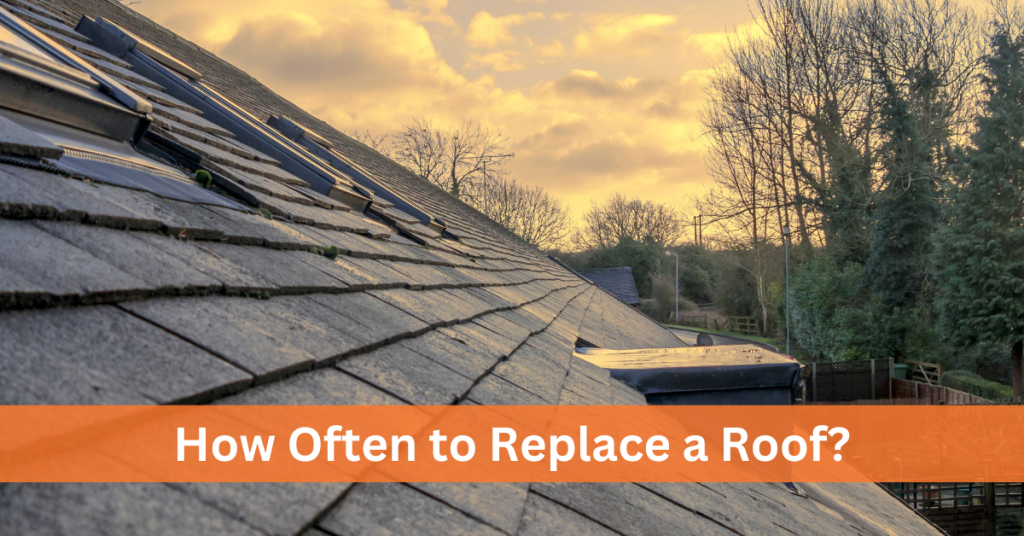
There are a few signs homeowners should not ignore. Daniel shares that on a composition system, “fiberglass matting underneath the shingles start to be exposed because the granules have fallen off over time.” Once shingles lose too many granules, they cannot protect the roof as effectively.
Another warning sign is curling. As Daniel explains, “when the shingles get hot over time, eventually they are gonna start to curl on the edges.” Curling shingles are more vulnerable to wind, water intrusion, and further damage.
Other signs include missing shingles, dark streaking, roof leaks, sagging areas, interior ceiling stains, or repeated repairs in the same place. If damage keeps returning, the issue may be larger than a simple repair. At that point, roof replacement may be the more reliable and cost effective solution for your home.
How roofing materials change the timeline
Every roofing material ages differently. Common roofing materials include composition, metal, cedar, tile, and slate. A shingle roof is common in our area and often falls within the 17 to 22 years range, depending on care and conditions.
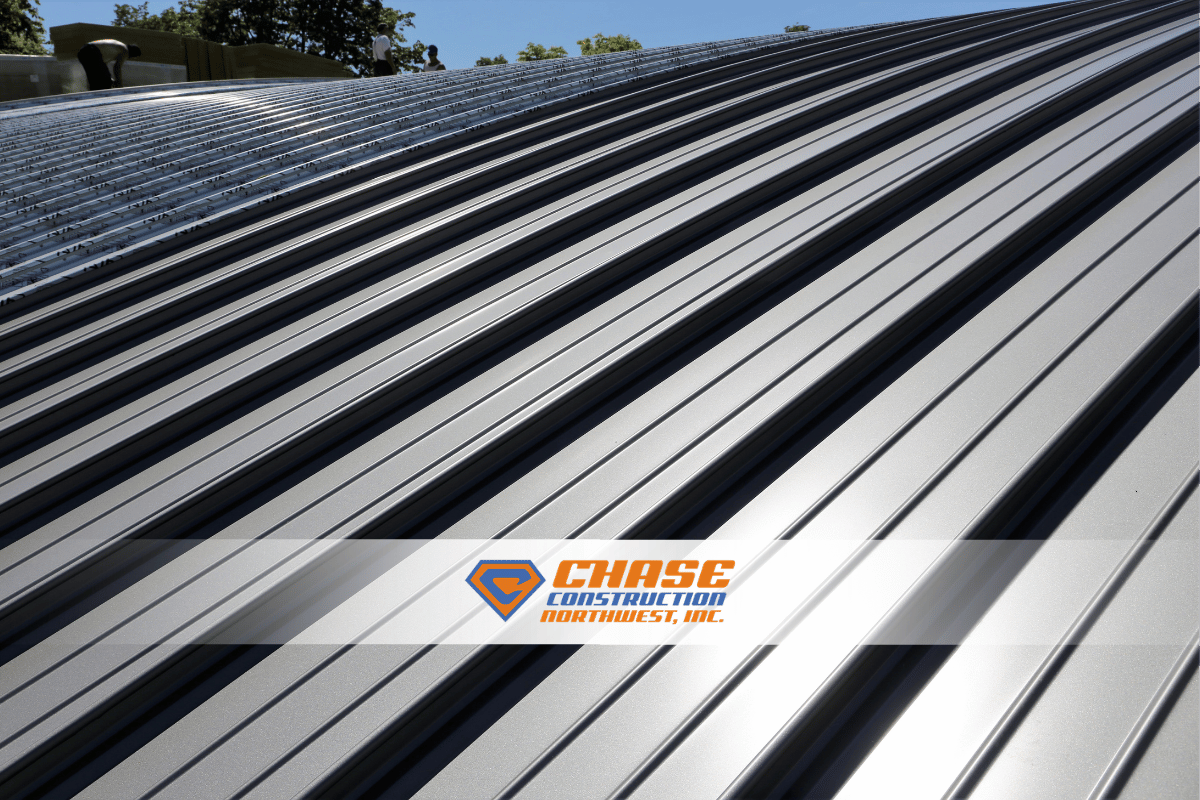
A metal roof can last longer when properly installed, while a cedar roof may require more ongoing maintenance. A slate roof can have a long lifespan, but it also requires the right structure, installation skill, and repair knowledge. The right roofing material for your property depends on budget, slope, style, weather exposure, and long term goals.
Because each roof is different, Chase Construction Northwest helps homeowners compare options without overwhelming them. The goal is to guide you toward a smart decision, not to push a single product.
Why a local roof assessment matters
Age is only one part of the decision. Daniel points out that “how long it is gonna take before you need to replace it is also gonna depend on the environment around your roof.” He adds that tree cover matters too: “How many trees do you have around your roof, and also how often are you cleaning off your roof.”
That is especially true in communities across the South Sound, where roofs may sit under fir trees, deal with heavy rain, and collect organic debris. Regular inspections can catch small problems before they become serious damage.
A professional roof assessment can identify whether repairs are still a practical option, whether ventilation is affecting performance, or whether hidden damage is shortening roof life. Chase Construction Northwest looks at the full system, not just the surface.
Planning your roof replacement
If your system is near the end of its expected lifespan, it is wise to start planning before leaks become urgent. Spring and fall are usually the best times to schedule roof replacement because weather windows can be more predictable. That said, serious damage should be addressed right away, no matter the season.
Planning early gives you time to understand roofing options, check homeowners insurance questions when storm related damage may be involved, and choose a replacement roof that fits your home. It also helps you prepare for cost, compare products, and avoid rushed decisions during an emergency.
A trusted contractor can explain what needs attention now and what can wait. That guidance is valuable because not every older roof needs immediate replacement, but waiting too long can make the project more expensive.
Call Chase Construction Northwest for roof replacement guidance
Chase Construction Northwest brings local experience, practical recommendations, and professional roofing service to homeowners who want clear answers. Their team evaluates roofs carefully, explains visible signs of wear, checks for damage, and helps you decide whether repairs or roof replacement make the most sense.
As Daniel says, “The best way to find out when your roof needs to be replaced is to give us a call at 253 445 8950, and we will set you up with one of our estimators to let you know.” You can also visit Chase Construction Northwest at chasenw.com to schedule service and get expert help for your next roofing project.