The best roofing choice does more than improve curb appeal. It complements your home, manages local weather, and fits what you can realistically spend on installation and upkeep. For homeowners in the Pacific Northwest, that means looking beyond appearance to understand how water drainage, ventilation, and installation details affect lasting performance.
Before comparing samples, separate two decisions: the shape of your roof and the covering installed over it. Changing one can be straightforward. Changing the other may require structural work. Chase Construction Northwest is a practical starting point for discussing these considerations and options in the context of your property.
Match Roof Style to Home Architecture
Start with the features your house already has. Window proportions, exterior finishes, entryways, and overall symmetry should guide the look of the finished project. A covering that looks attractive in a showroom may feel disconnected once installed across a large surface.
Traditional homes often suit dimensional shingles, while simpler contemporary homes may pair well with the clean lines of metal. Neither is an automatic rule. Texture, profile, and visual balance matter more than following a trend.
Look at nearby properties for inspiration, but avoid copying a neighbor without considering differences in scale and design. The goal is a cohesive exterior, not simply a newer surface.
Compare Roof Shape and Roof Types
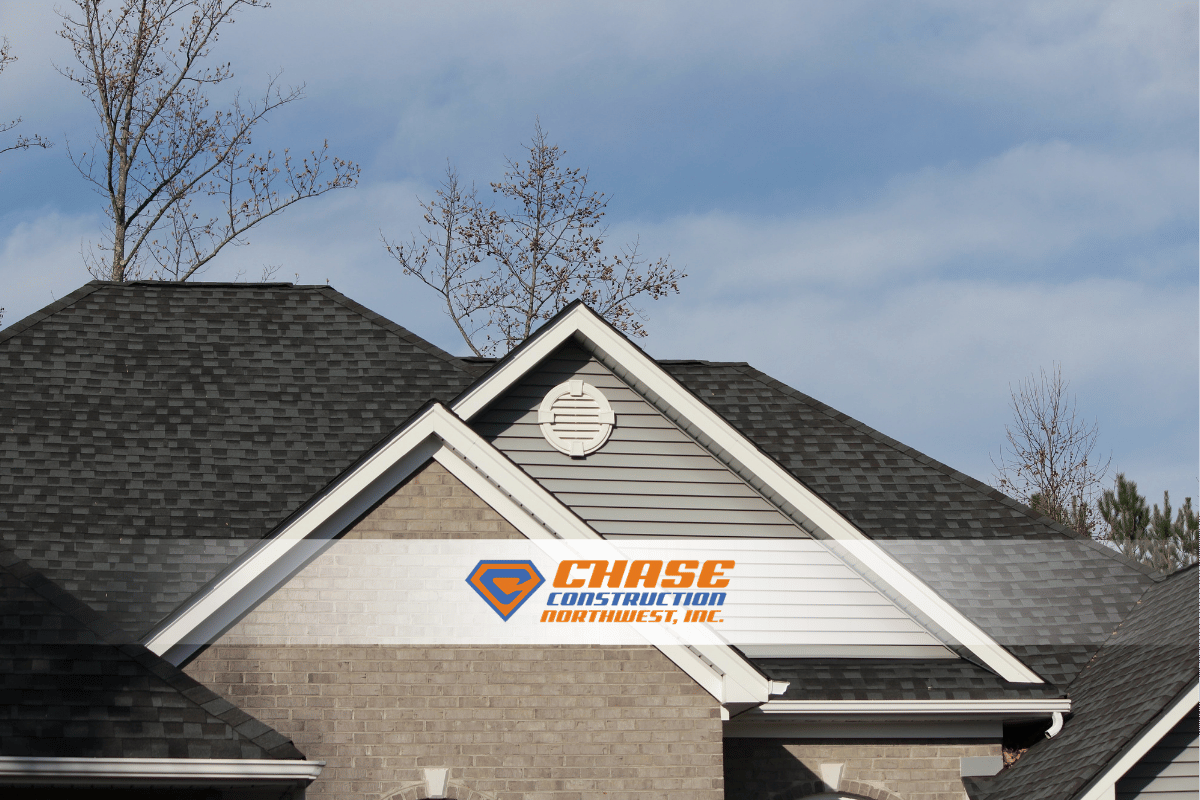
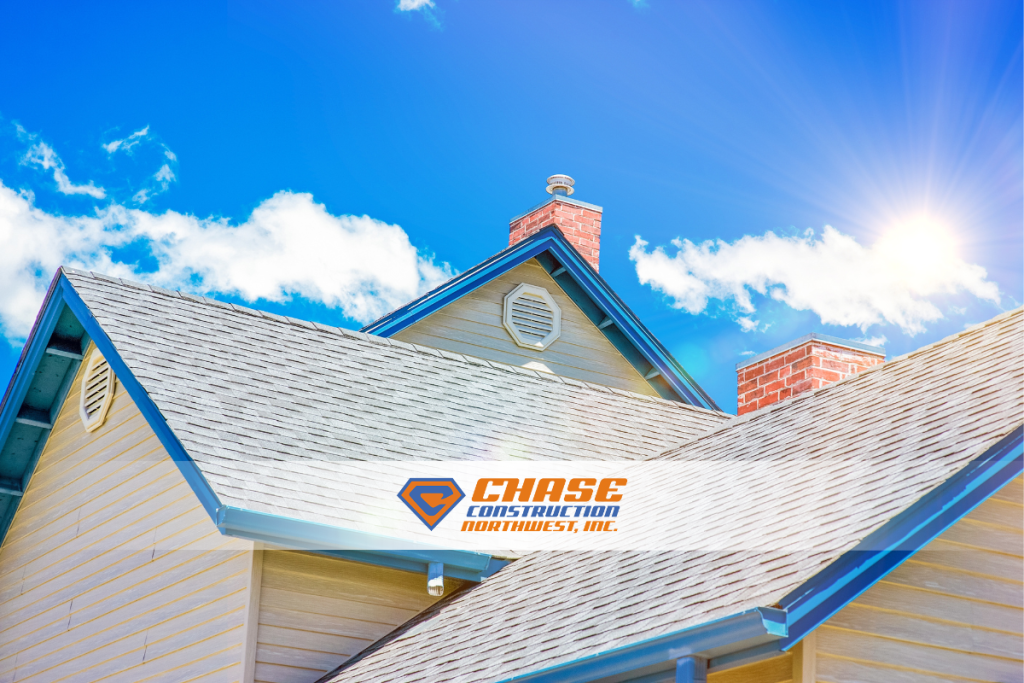
Existing framing usually determines which roof shapes are practical. Gable roofs have two sloping sides that meet at a ridge. A hip configuration slopes down toward the exterior walls on every side. Each creates a different appearance and introduces different drainage and installation details.
During a replacement, keeping the existing roof shape is generally less involved than altering the structure. Changing the roof design may require engineering, permits, and modifications to supporting walls.
The right roof type therefore depends partly on whether you are replacing an existing covering or planning a larger renovation. Before committing to an inspiration photo, have a contractor explain what your current structure can accommodate.
Consider Climate and Energy Efficiency
The Pacific Northwest climate makes moisture management especially important. Rain must move off the surface and away from vulnerable intersections, including valleys, chimneys, skylights, and wall connections. Shaded areas also deserve attention because they can stay damp longer.
Different roof slopes affect how quickly water drains and which systems are suitable. A low slope surface cannot automatically receive the same products used on a steep pitch. Manufacturer requirements and local code should guide that decision.
Energy efficiency also depends on the complete assembly. Insulation, air sealing, ventilation, and solar exposure can matter as much as the visible covering. Reflective products may help in some situations, but energy savings should never be assumed from appearance alone.
Balance Budget With Lasting Value
A realistic budget includes more than the visible finish. Removal, disposal, flashing, underlayment, ventilation adjustments, and damaged decking can all affect the final price. Structural changes introduce another level of expense.
Ask for an estimate that explains the scope rather than focusing only on the total. A lower number may reflect fewer included details, not a better deal.
Think about maintenance and how long you expect to stay in the property. The least expensive material initially may not offer the strongest value over your ownership period. Likewise, a premium option is not automatically worthwhile if its benefits do not match your needs. Keep room in your budget for conditions that become visible only after removal.
Explore Materials for Traditional and Modern Homes
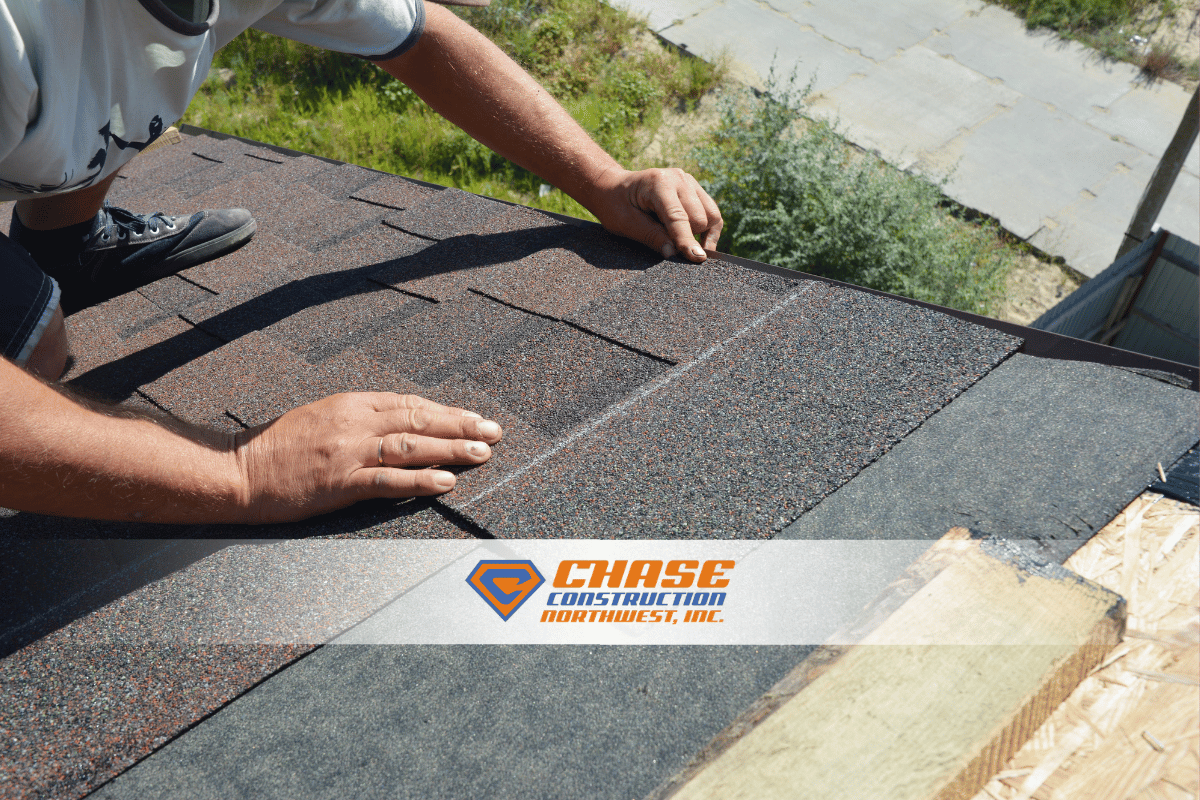
Asphalt shingles are widely used because they offer varied appearances and often a lower initial cost than premium alternatives. Product quality and installation still influence how well they perform.
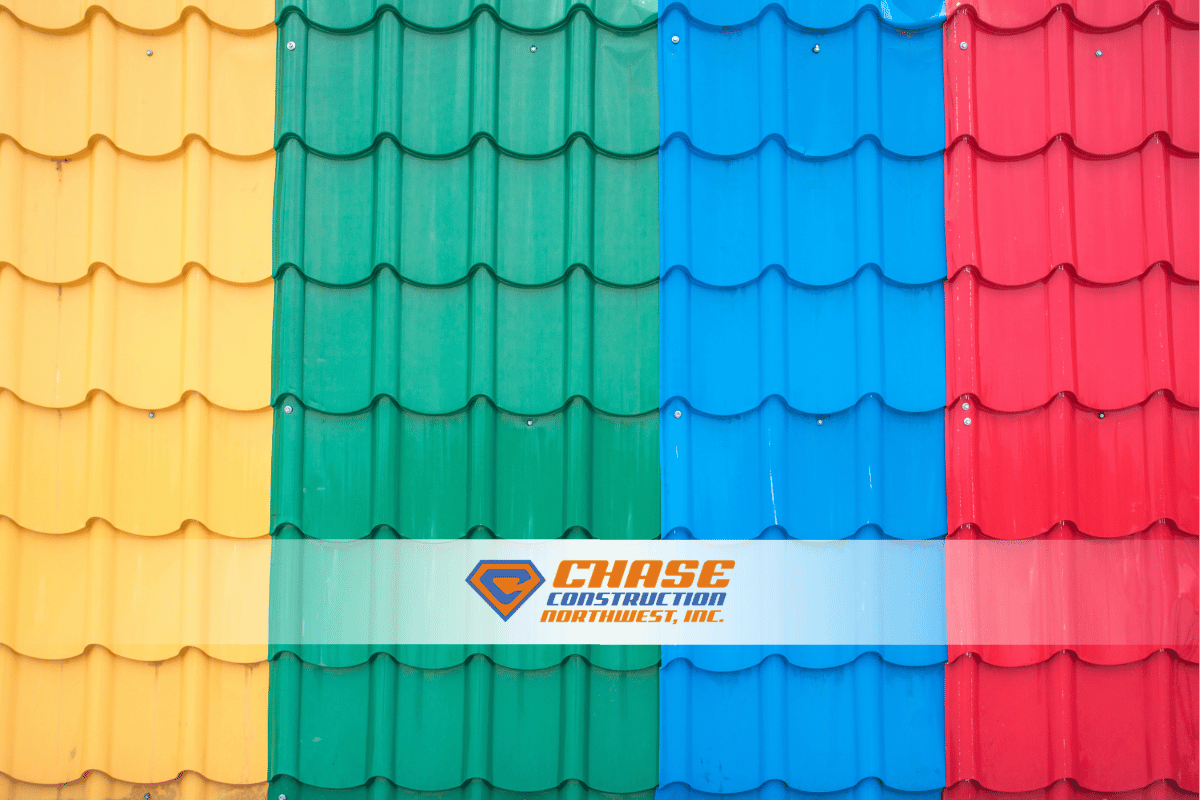
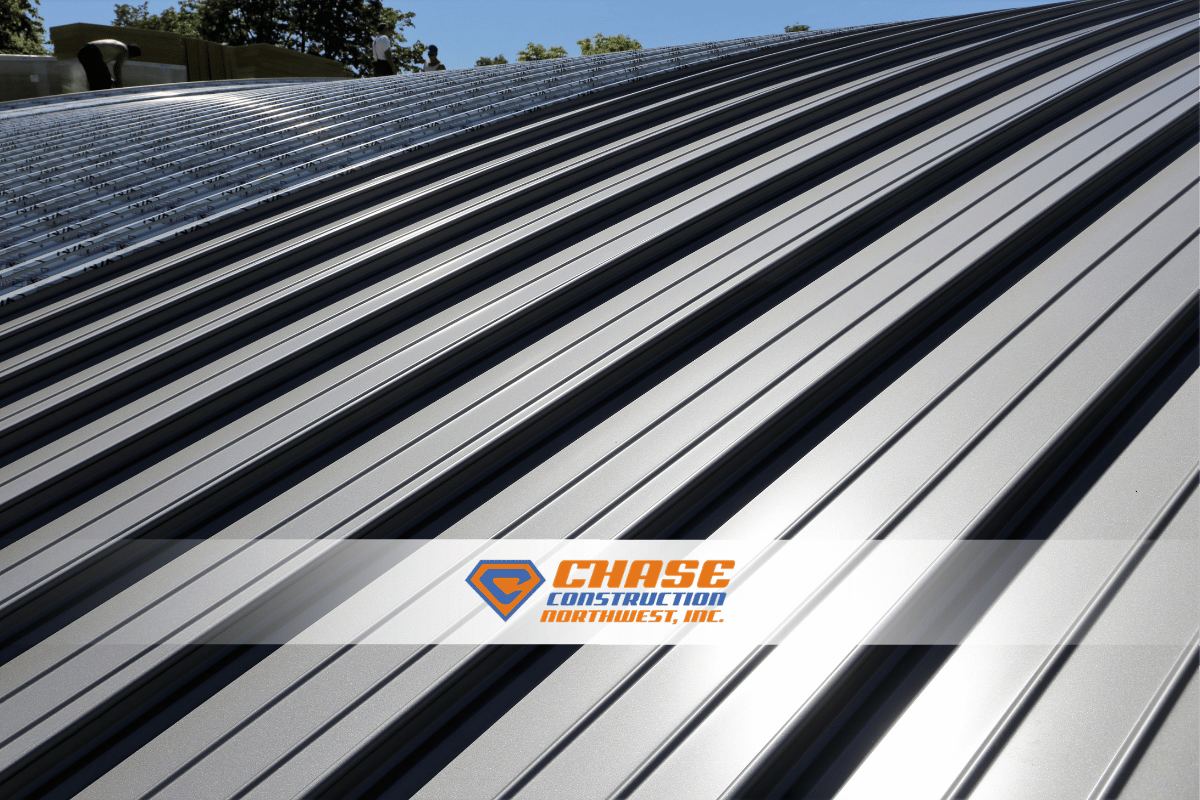
Metal roofing offers a different visual character and can provide a long service life when correctly specified and installed. However, panel profiles, fastening methods, and detailing deserve careful comparison.
Heavier roofing materials, such as certain tile products, may require a structural assessment before installation. Never assume that an existing frame can support a substantial weight increase.
Rather than selecting materials solely by advertised lifespan, compare their suitability for your slope, exposure, and maintenance expectations. Ask which material options fit the property and why.
Choose Details That Support Roof Performance
Once the broad direction is clear, examine the details that connect appearance with function. A sample board helps, but larger project photos can better show how texture and color read across an entire surface.
Ask how the proposed system addresses ventilation, drainage, and penetrations. These less visible components often determine whether an attractive installation delivers dependable protection.
Review warranty language as well. Product coverage and workmanship coverage are different, and both may include conditions or exclusions. Clear documentation helps you understand what is covered, who handles concerns, and what ongoing care is expected. Good design should make the roof easier to protect, not merely more impressive from the street.
Get Professional Guidance Before Choosing
You do not need to resolve every technical detail before contacting a professional. Bring photos you like, a rough spending range, and any concerns about leaks, moss, attic comfort, or previous repairs. Those details create a more useful starting point than requesting a price without discussing the property.
When choosing between roof styles, the most valuable recommendation is one grounded in an assessment rather than a generic ranking of products.
Contact Chase Construction Northwest to discuss your roofing project and request guidance on the next step. Ask about the suitability of your preferred materials, replacement scope, and installation details so you can move forward with a clearer understanding of what your home needs.