A roof does more than shelter your home. It stands between your living space and rain, wind, moisture, and changing weather conditions. When green moss begins spreading across the surface, it can be more than an appearance issue. Left unmanaged, moss may hold water against roofing materials, interfere with drainage, and contribute to premature wear.
Understanding How to prevent moss on roof surfaces is one of the simplest ways homeowners can protect their investment. The good news is that prevention does not always require complicated solutions. With regular inspections, proper maintenance, better sunlight exposure, and the right roofing accessories, you can significantly reduce moss and keep your roof looking cleaner for longer.
For homeowners who want dependable workmanship, Chase Construction North West knows long-lasting roofing protection starts with identifying problems before they become expensive repairs.
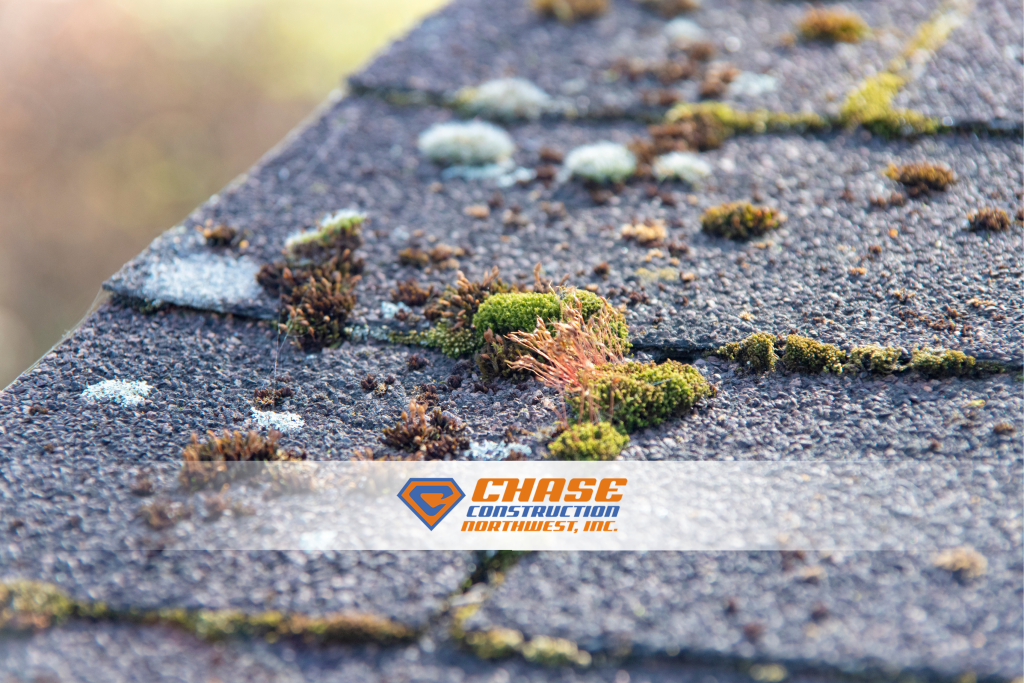
How to Prevent Moss on Roof With Regular Maintenance
Moss thrives in damp, shaded environments. Areas of a roof that remain wet for extended periods provide an ideal setting for moss growth. Leaves, branches, dirt, and other debris can make these conditions even worse by trapping moisture against the roofing surface.
One of the most practical ways to prevent moss is to inspect your roof regularly. Look for early signs of green buildup, blocked drainage paths, damp patches, and debris collecting around the ridge, valleys, flashing, or roof edges.
Keeping the surface clean can also help. However, clean carefully, because aggressive methods can damage shingles and other roofing materials. If you are unsure about the safest approach, professional assistance can help protect the roof while addressing early moss growth.
Your Roof Needs More Sunlight to Reduce Moss Growth
Sunlight is a natural enemy of moss. Roof sections that receive limited sunlight tend to stay damp longer, particularly after rain. Trees surrounding a property can create heavy shade, allowing moisture to remain on the surface.
Homeowners can often reduce moss simply by improving airflow and sunlight around the house. Consider trimming branches that extend over the roof or block direct sunlight. When sunlight filters through surrounding trees, the roof may dry more quickly after wet weather.
However, handle tree maintenance carefully. Branches should not be allowed to scrape against shingles or interfere with roofing accessories, gutters, flashing, or other external components. Chase Construction North West can help homeowners identify roof areas where surrounding vegetation may be contributing to moisture problems.
Remove Moss Before It Becomes a Bigger Problem
When moss is already visible, early action matters. Small patches are generally easier to manage than heavily moss-covered areas that have developed over a long period.
Using harsh tools, pressure washing, or improper chemicals to remove moss can create additional problems. Aggressively scraping shingles may loosen protective granules, while excessive pressure can force water under roofing materials.
Some homeowners research homemade solutions, including laundry-strength liquid chlorine bleach or cheap biological washing powder. These approaches may produce different results depending on the roofing material and how you use them. Using an unsuitable moss remover can stain surfaces, damage vegetation, or affect roofing components.
For that reason, itis best to identify the roofing material and its condition before choosing a cleaning method. Professional roof maintenance can help address moss without unnecessarily compromising the surface beneath it.
Managing Moss Starts With Controlling Moisture
Effectively managing moss is not simply about removing what you can see. The underlying moisture conditions need attention too. If a roof repeatedly remains damp, moss can return even after a thorough cleaning.
Check gutters and downspouts for leaves and debris that could prevent water from flowing away efficiently. Pay attention to roof valleys, lower slopes, and shaded sections where moisture may collect. Proper drainage helps prevent water from lingering against shingles.
It is also worth checking external sources of moisture. Overhanging vegetation, poorly directed drainage, and nearby structures can sometimes create conditions that encourage repeated moss growth.
Chase Construction North West approaches roof care with prevention in mind, helping homeowners understand why moss is developing instead of simply treating the visible growth.
Copper Strips and Zinc Can Help Prevent Moss
Certain roofing accessories can provide additional protection against recurring moss. Copper strips are one commonly used option. When rainwater passes over exposed copper, trace amounts can move down the roof surface and create conditions that are less favorable for moss.
Another option homeowners may consider is installing zinc or using zinc-based materials near the top or ridge of the roof. Some homeowners choose to attach zinc strips beneath or near the ridge so rainwater can carry protective minerals across portions of the roofing surface.
Install these methods correctly and ensure they suit your specific roofing system. Improper installation can affect shingles, flashing, drainage, or the roof’s appearance.
Remember that metal strips are a preventive measure, not a substitute for maintenance. They work best as part of a broader strategy that includes keeping the roof clean, improving sunlight exposure, and addressing moisture.
Regular Roof Inspections Can Catch Moss Early
A roof does not suddenly become moss-covered overnight. In most cases, growth develops gradually, giving homeowners opportunities to identify and address it before extensive damage occurs.
During an inspection, look closely at the ridge, valleys, edges, flashing, and shaded slopes. Small green patches can indicate moisture consistently remains on the surface. Also check for lifted or damaged shingles, blocked gutters, and areas where debris has accumulated.
A professional inspection is especially useful when the roof is steep or difficult to access. Safety should always come first. Climbing onto a wet or moss-covered roof can be hazardous, and trying to clean hard-to-reach areas without proper equipment may cause injury.
For homeowners in Oregon and other areas where wet weather can contribute to moss development, regular inspections are particularly valuable. Seasonal roof checks can identify maintenance needs before they become major roofing concerns.
Simple Habits That Help Prevent Moss
A few consistent maintenance habits can make a meaningful difference. Instead of waiting until the roof is heavily covered, homeowners should focus on controlling moisture, debris, and excessive shade.
Useful preventive practices include:
- Trim trees and branches that create excessive shade or rub against the roof.
- Keep gutters and downspouts clean so water can drain properly.
- Inspect shaded and moss-prone areas of the roof regularly.
- Address damaged shingles, flashing, and other roofing components promptly.
- Use suitable roofing accessories when recommended for the roof system.
- Avoid harsh cleaning methods that can damage the roof surface.
- Arrange professional inspections when moss repeatedly returns.
These steps can help prevent moss from becoming a recurring maintenance issue. They can also support the overall condition and appearance of your roofing system.
Maintaining a Moss-Free Roof for the Long Term
Preventing moss on roof surfaces is ultimately about creating conditions where moss has fewer opportunities to grow. Keeping the roof dry, allowing adequate sunlight, controlling debris, maintaining drainage, and addressing small problems early can all contribute to a healthier roofing system.
Homeowners should also understand that every roof is different. Age, material, slope, surrounding trees, weather exposure, and maintenance history can influence how quickly moss develops. Asphalt shingles, metal roofing, and other roofing materials may require different care strategies.
A moss-free roof isn’t a one-time achievement. Long-term protection comes from consistent care. If moss keeps returning despite regular maintenance, an underlying moisture or drainage issue may need professional attention.
Chase Construction North West can help homeowners evaluate roofing concerns and identify practical maintenance solutions based on the property’s condition.
Keep Your Roof Strong With Professional Care
A clean roof is about more than curb appeal. Preventing excessive moss can help protect roofing materials from prolonged moisture exposure and reduce the risk of avoidable maintenance problems. The sooner you address moss, the easier it is to protect your roof from unnecessary wear.
If you are dealing with recurring moss, damaged shingles, drainage concerns, or a roof that needs a professional assessment, Chase Construction North West is ready to help. From identifying vulnerable areas to recommending appropriate maintenance, the goal is simple: provide dependable roofing care that helps your home stay protected season after season.
Give your roof the care it deserves today, and let Chase Construction North West help turn prevention into long-lasting protection.