How Torchdown Roofing Protects Low-Slope Buildings
What Is Torchdown Modified Bitumen?
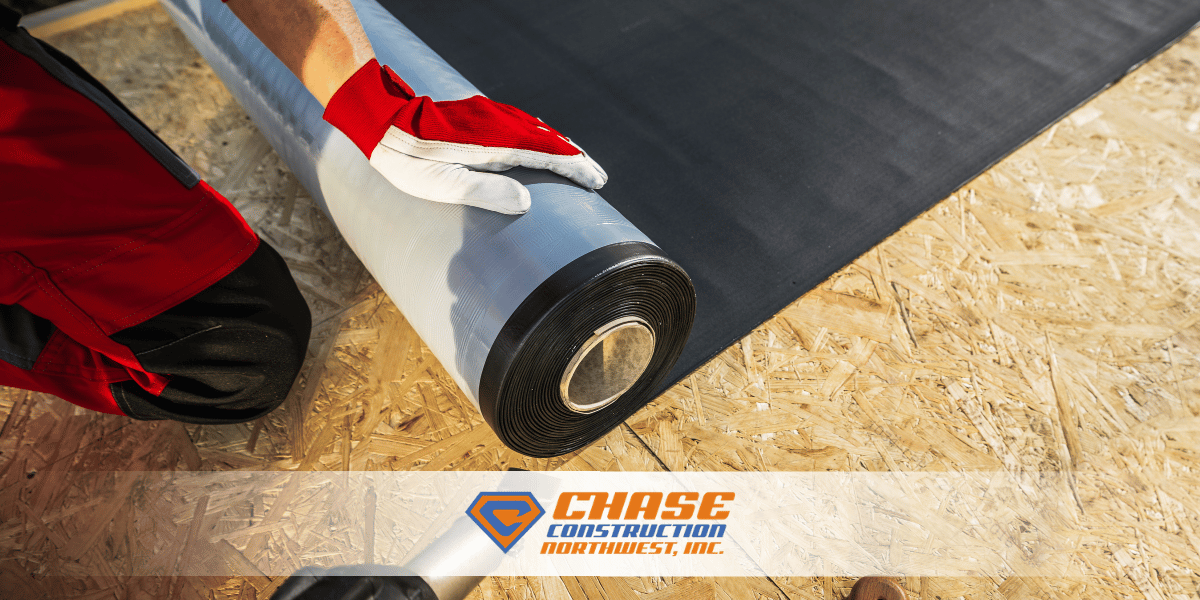
Torchdown uses controlled heat to bond a reinforced, modified asphalt membrane to an approved substrate. It suits low-slope roofs where conventional shingles cannot manage water effectively.
A system may include a prepared substrate, base sheet, flashing, and protective cap sheet. Layer counts depend on design and warranty requirements. These modified bitumen roofing sheets must be matched to the deck and installed according to manufacturer specifications.
Why Do Flat Roofs Leak In Federal Way?
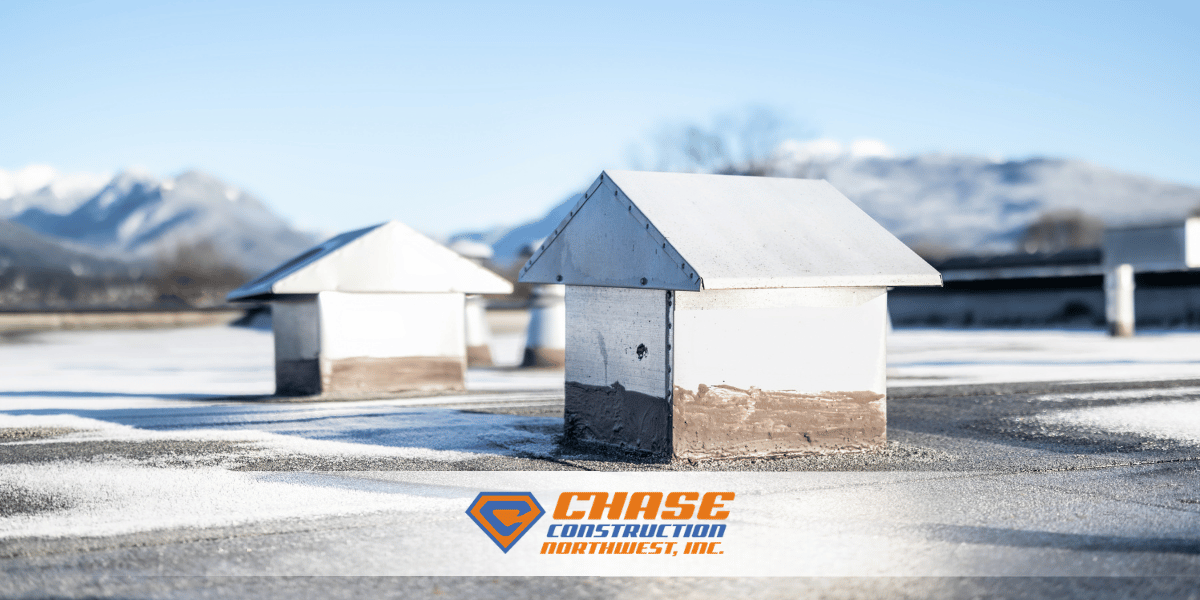
Flat roofs should not hold water indefinitely. Leaves obstruct drains, while worn seams and flashing allow water beneath the covering. Moisture can damage insulation and decking before interior stains appear.
Ignored commercial roof leaks can disrupt operations and damage inventory. On homes and garages, they can harm ceilings. Inspection separates isolated repair needs from broader failure.
A Sound Roof Deck And Working Drainage Come Before Any New Waterproof Membrane.
Is Torch Application Safe On Every Roof?
No. Torchdown application is dangerous when an open flame is used near combustible decking, hidden cavities, or vulnerable roof details without adequate safeguards. The National Roofing Contractors Association’s torch-safety guidance explains why roof design, suitable flashings, and fire precautions matter.
Chase is a GAF-certified torchdown installer, but each project needs site-specific judgment. Where a torch is unsuitable, an approved alternative installation method or a different membrane may be the safer choice.
Which Roofing System Makes Sense For Your Building?
Chase works with several commercial and residential low-slope systems. A torch-applied bitumen roof is one option. The best fit depends on pitch, drainage, access, and substrate.
Roof System | Installation Method | What To Consider |
|---|
Torchdown modified bitumen | Reinforced sheets bonded with controlled torch heat | Layered protection; requires careful fire planning |
TPO | Single-ply membrane with heat-welded seams | Seam detailing and substrate preparation are essential |
EPDM | Rubber membrane adhered or mechanically attached | Seams and perimeter details need careful maintenance |
PVC | Single-ply membrane with heat-welded seams | Often considered for demanding commercial conditions |
We do not recommend torch roofing solely because the existing surface contains asphalt. TPO or EPDM may suit one site, while another needs a multi-ply bitumen system.
How Chase Handles Installation, Repair, And Replacement
For Federal Way torchdown roofing & modified bitumen roofing, the roof’s condition guides each step.
Inspect The Roof. We assess the membrane, seams, decking, insulation, drains, flashing, and signs of moisture.
Plan The Scope. We explain repair versus replacement, suitable roofing systems, material options, and proposed work.
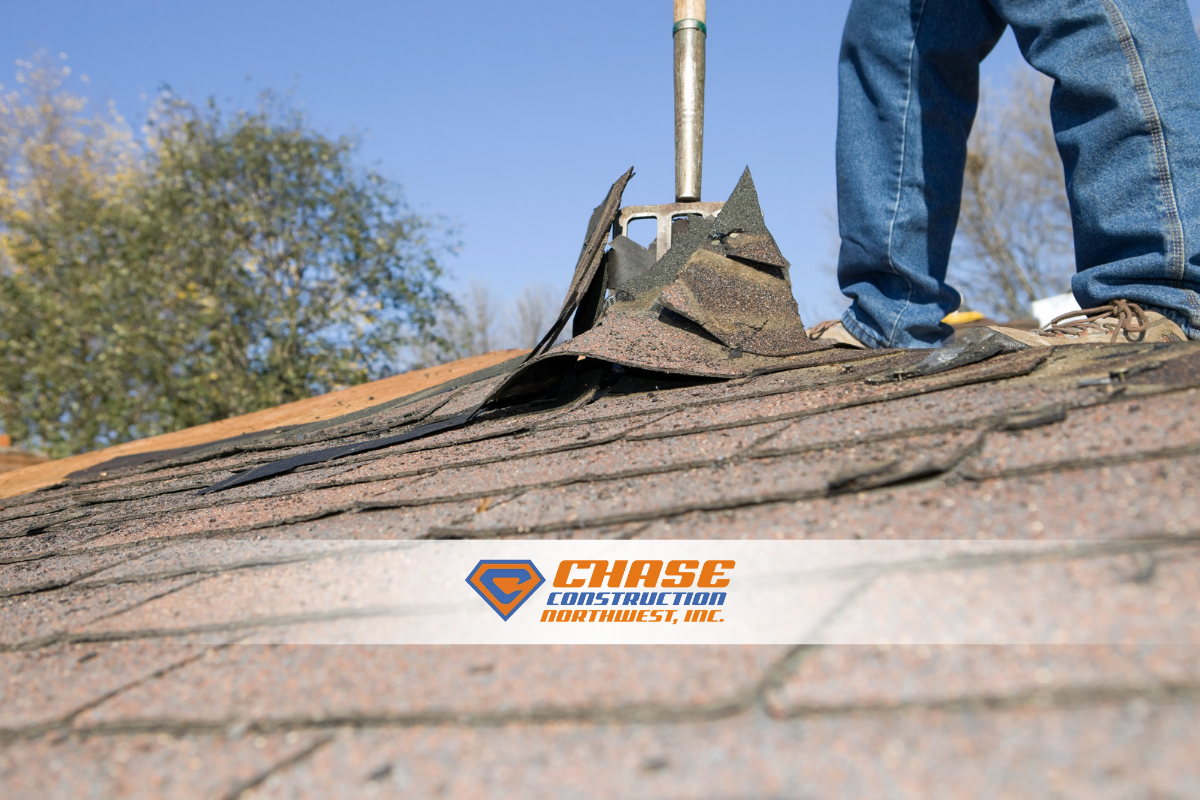
Prepare The Surface. Existing layers are removed where needed, damaged substrate is addressed, and drainage details are checked.
Install The System. Approved base materials, membrane layers, and a cap sheet are applied with the appropriate method, including torch application only where suitable.
Check The Finished Roof. We inspect seams, transitions, flashing, and edges, then discuss maintenance and applicable warranty documents.
Can You Repair A Torchdown Roof Instead Of Replacing It?
Often, yes. Localized seam separation, flashing defects, or isolated membrane damage may allow targeted repair. Widespread moisture, deteriorated decking, or repeated failures can make replacement more sensible. Chase provides leak detection, membrane repairs, drainage improvements, and preventative maintenance.
Family-Owned And Serving Puget Sound Roofing Customers Since 2002.
What Warranty Applies To Modified Bitumen?
Chase publishes a 10-year material warranty for qualifying single-ply torchdown systems and says additional plies can increase coverage to 20 years, depending on the application. Those terms differ from warranties for other products. We review coverage for the proposed assembly.
Federal Way Rain, Permits, And Roof Maintenance
Properties around Federal Way may include commercial storefronts, multifamily buildings, and homes with low-slope additions. Rain and tree debris create problems at drains, penetrations, and wall connections.
The City of Federal Way Building Division oversees permits and inspections. Requirements depend on the project and any applicable exemptions, so permit status should be confirmed before a major replacement or structural work begins.
Keep drainage points clear and arrange inspections after significant storms. Federal Way torchdown roofing & modified bitumen roofing should be maintained as a complete system, including seams, edges, and rooftop penetrations, rather than treating the membrane alone as the whole roof.
Request A Federal Way Roofing Evaluation
For Federal Way torchdown roofing & modified bitumen roofing, get in touch with Chase Construction North West for a free, no-obligation estimate. We serve Federal Way and surrounding communities, including Kent, Auburn, Tacoma, Edgewood, Puyallup, and Enumclaw.
Frequently Asked Questions
How Much Does Torchdown Roofing Cost In Federal Way?
Cost depends on roof size, removal requirements, layers, access, drainage, and deck repairs. A site inspection is needed for a meaningful estimate rather than a generic price per square foot.
How Long Does Torchdown Roof Installation Take?
The schedule depends on roof area, weather, substrate repairs, and the selected system. A small accessible roof may require less work than a large commercial replacement with multiple penetrations.
Do I Need A Permit For Torchdown Roofing In Federal Way?
A permit may be required, depending on the scope and applicable exemptions. Confirm the requirements with the city before replacement, especially if structural or decking work is planned.
Is Torchdown Better Than TPO Or EPDM?
Not automatically. Torchdown can suit certain multi-layer low-slope assemblies, while TPO and EPDM offer different installation and maintenance considerations. Roof conditions should decide.
How Long Can A Modified Bitumen Roof Last?
Chase’s service information describes approximately 20 to 30 years for properly installed and maintained systems. Actual lifespan depends on moisture exposure, installation quality, drainage, and maintenance.
Can A Flat Roof Be Repaired During The Rainy Season?
Some repairs may be possible when conditions and materials allow. Torch work and membrane installation require appropriate surface and weather conditions, so scheduling must prioritize safe, reliable adhesion.